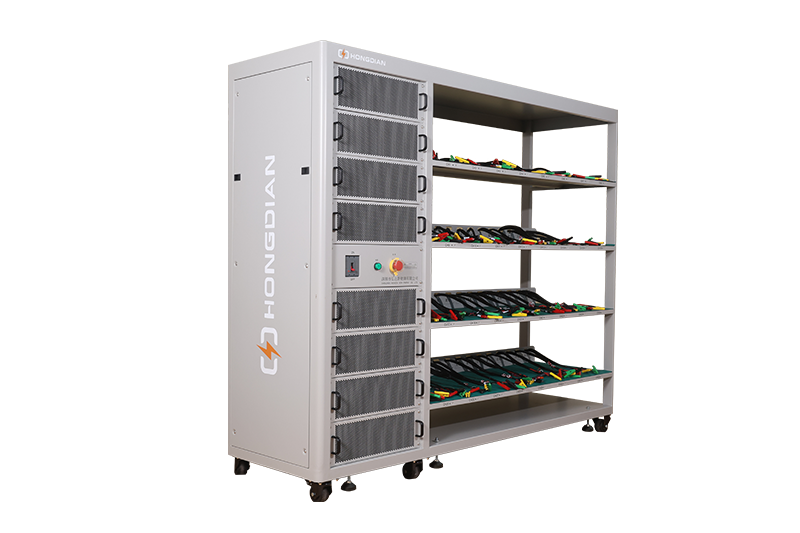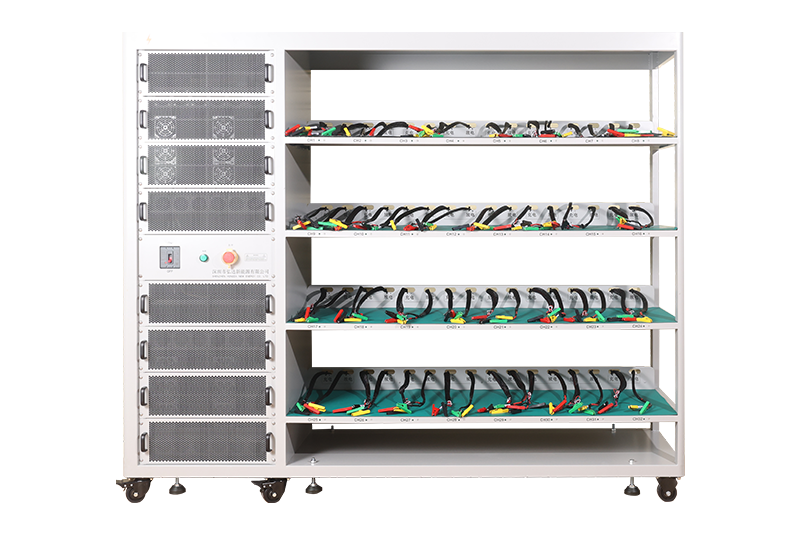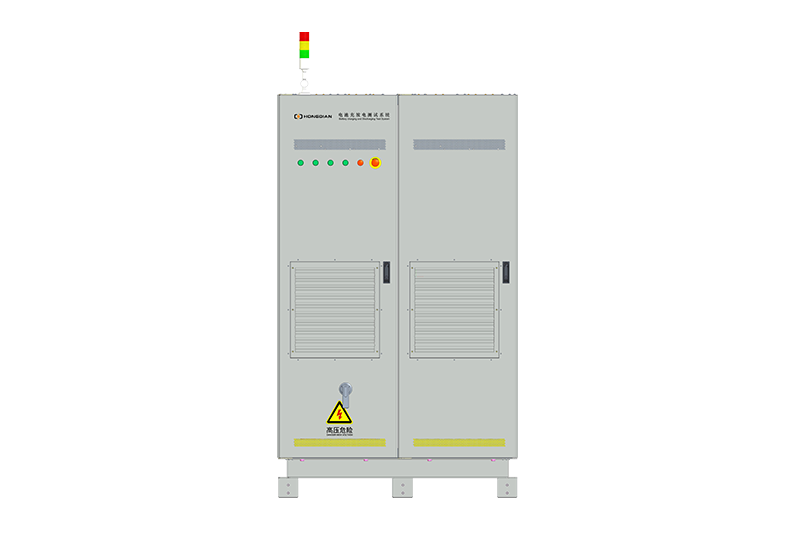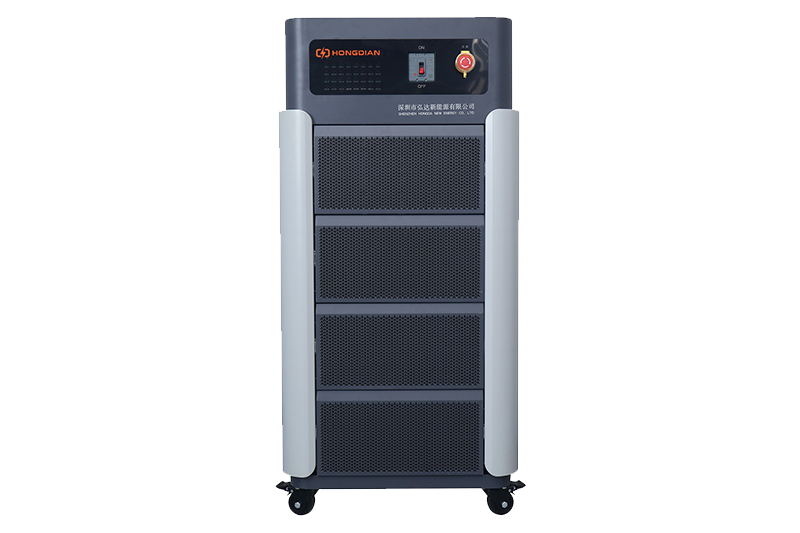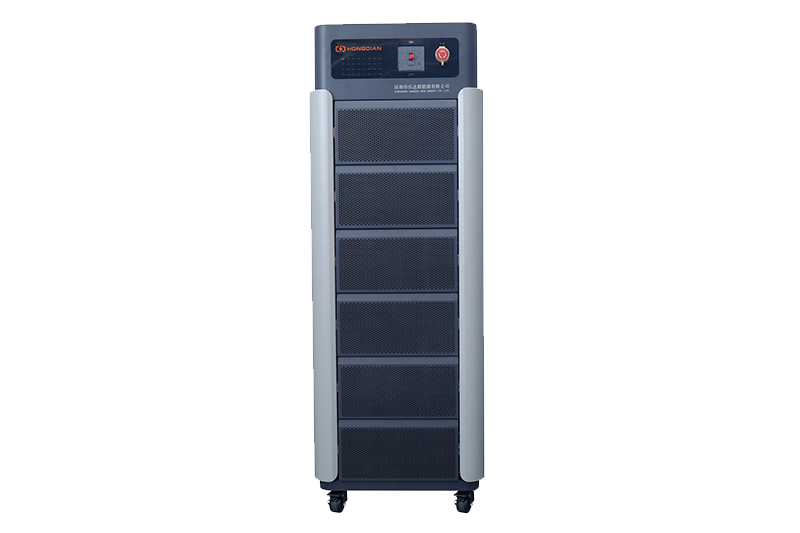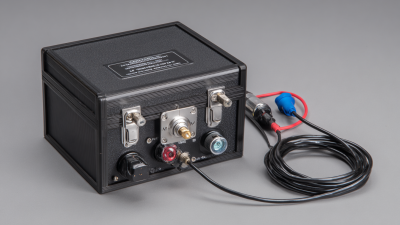
32/48 channel battery charging and discharging test integrated battery cabinet
40 channel battery charging and discharging test integrated battery cabinet
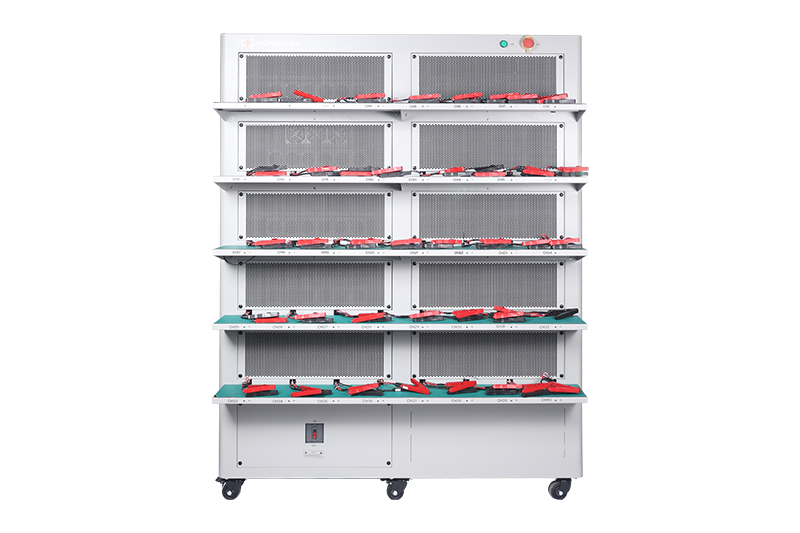
64 channel battery charging and discharging test integrated battery cabinet
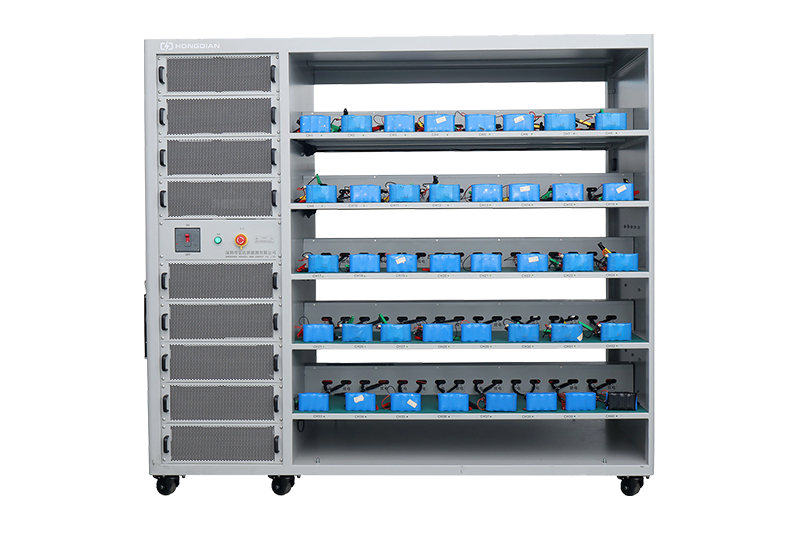
80 channel battery charging and discharging test integrated battery cabinet
Battery Test Equipment plays a crucial role in the quality assurance of modern battery technologies. As industries rapidly adopt batteries for applications ranging from electric vehicles to renewable energy storage, the need for rigorous testing becomes apparent. According to a recent report by Research and Markets, the global battery testing equipment market is projected to reach $1.2 billion by 2025, indicating a significant demand for reliable testing solutions.
Quality assurance begins with understanding a product's performance characteristics. Battery Test Equipment enables manufacturers to assess critical parameters such as capacity, cycle life, and thermal stability. Testing not only enhances product safety but also minimizes recall risks, which can cost companies millions. The Institute of Electrical and Electronics Engineers (IEEE) highlights that nearly 20% of battery failures are due to inadequate testing measures.
However, the industry still faces challenges. Not all companies invest equally in Battery Test Equipment, leading to discrepancies in product performance. This gap raises concerns about reliability and consumer trust. As technology evolves, staying updated with testing standards is essential. Failure to adapt could result in subpar products in a highly competitive market, ultimately affecting business reputation and sustainability.
Battery test equipment plays a crucial role in ensuring quality assurance. It helps in assessing the performance and reliability of batteries. Accurate testing can prevent potential failures in critical applications. With increasing reliance on batteries, the stakes are higher than ever.
Proper testing identifies issues early. This proactive approach minimizes risks. It ensures that batteries operate within their specifications. Quality assurance relies on data from these tests to make informed decisions. Without this equipment, companies face uncertainties and reliability concerns.
Yet, challenges exist. Not all testing methods provide comprehensive insights. Some tests may overlook critical parameters. This can lead to misjudgments. Continuous improvement and adaptation in testing methods are necessary. Regular reviews of testing protocols can enhance reliability. Quality assurance is an ongoing journey, not a destination.
Battery test equipment plays a crucial role in quality assurance. It ensures that batteries meet performance standards and safety regulations. The industry needs accurate testing methods to minimize recalls and failures. According to a report by the International Electrotechnical Commission, 30% of battery failures result from inadequate testing.
There are various types of battery test equipment. Cyclers are essential for performance testing. They simulate real-world usage by charging and discharging batteries under controlled conditions. Growth in the electric vehicle market emphasizes the importance of load testers. These devices measure a battery's ability to deliver power during peak demand.
Impedance analyzers are also vital. They assess internal resistance, providing insight into battery health. A study by the Battery University indicates that 15% of battery lifespan can be impacted by internal resistance. Quality assurance teams must stay updated on testing innovations.
Failure to do so can hinder product reliability. Selecting the right equipment is a continuous challenge. Ensuring accurate results requires ongoing training and adaptation.
Battery quality assessment is crucial for safety and performance. Effective testing procedures help identify potential issues early. Manufacturers often rely on various methods to ensure their batteries meet industry standards.
One vital procedure is capacity testing. This determines how much energy a battery can store. It involves discharging the battery under controlled conditions. Measurements taken during this process help assess efficiency. Another important method is cycle testing, which evaluates battery longevity. Repeated charge and discharge cycles reveal how well a battery withstands wear over time.
Voltage and temperature tests are also essential. They assess a battery's ability to operate within specified limits. Monitoring these factors can prevent overheating and potential failures. Performing these tests consistently is key to maintaining high-quality standards in battery production. Attention to detail in testing ensures reliability in real-world applications. While testing might seem routine, each step plays a vital role in battery safety and performance.
Regular battery testing in manufacturing plays a crucial role in ensuring product reliability. High-quality batteries are essential for various industries, including electronics, automotive, and renewable energy. With increasing demand for efficiency and safety, manufacturers must prioritize battery testing throughout the production process.
Implementing a robust testing protocol identifies potential issues early. This proactive approach helps prevent costly recalls and enhances customer satisfaction. By detecting defects in design and materials, manufacturers can make informed adjustments. Regular testing also improves overall battery performance, ensuring that products meet industry standards and customer expectations.
Yet, it’s not without challenges. Many manufacturers overlook the complexities of testing schedules or equipment requirements. This can lead to gaps in quality assurance. Continuous training for staff is essential. They must understand the latest testing technologies and methodologies. Facing these challenges can deepen the commitment to quality and innovation.
| Testing Method | Purpose | Frequency | Benefits |
|---|---|---|---|
| Capacity Testing | Determines the battery's energy storage capacity | Every 6 months | Ensures product meets specified energy requirements |
| Cycle Life Testing | Evaluates performance over multiple charge/discharge cycles | Annually | Identifies lifespan and durability under normal use |
| Safety Testing | Checks for risks of leakage, explosion, or short-circuit | Every production cycle | Prevents hazardous incidents during usage |
| Temperature Performance Test | Assesses battery operation at various temperatures | Semi-annually | Ensures reliability in varying environmental conditions |
| Self-Discharge Testing | Measures how quickly a battery loses charge while not in use | Quarterly | Ensures batteries are ready for use when needed |
Battery testing protocols are essential for ensuring safety and longevity in various applications, from consumer electronics to electric vehicles. However, implementing these protocols presents several challenges. A key issue is the variability in battery chemistry, which can influence performance metrics significantly. According to a recent industry report, nearly 30% of battery failures during testing are attributed to inadequate understanding of these chemical differences.
Furthermore, developing standardized tests for diverse battery types complicates the process. The International Electrotechnical Commission (IEC) has established certain guidelines, but these do not cover all emerging technologies. As a result, manufacturers often face difficulties in staying compliant. An analysis by the Battery Council International highlights that 40% of companies lack the resources to conduct comprehensive testing. This gap can lead to inconsistent quality and increased risk of product failures.
Additionally, real-time monitoring during tests poses logistical challenges. Many testing facilities struggle with integrating advanced technologies for data acquisition and analysis. A study found that 20% of testing time is wasted on outdated equipment and manual processes. Thus, prioritizing modern test equipment and training personnel on effective testing methods is crucial for mitigating these issues. The focus should be on continuous improvement and adapting to new battery technologies, ensuring the reliability and quality of products in a rapidly evolving market.