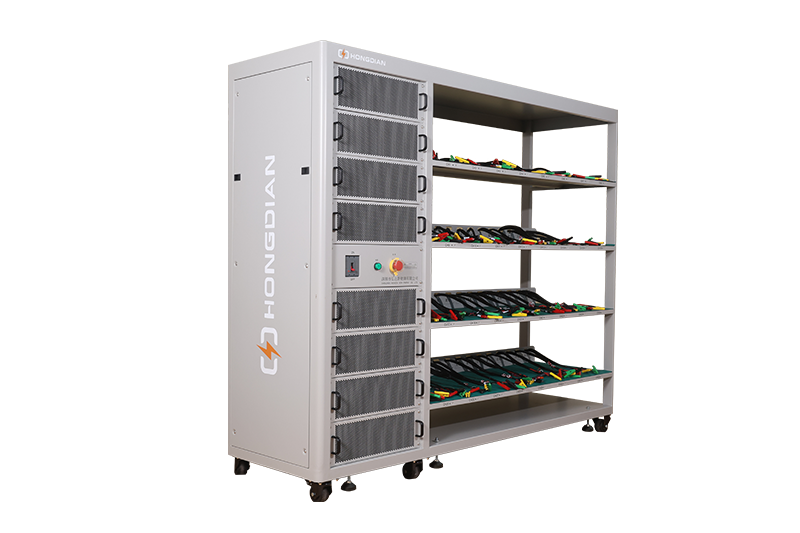
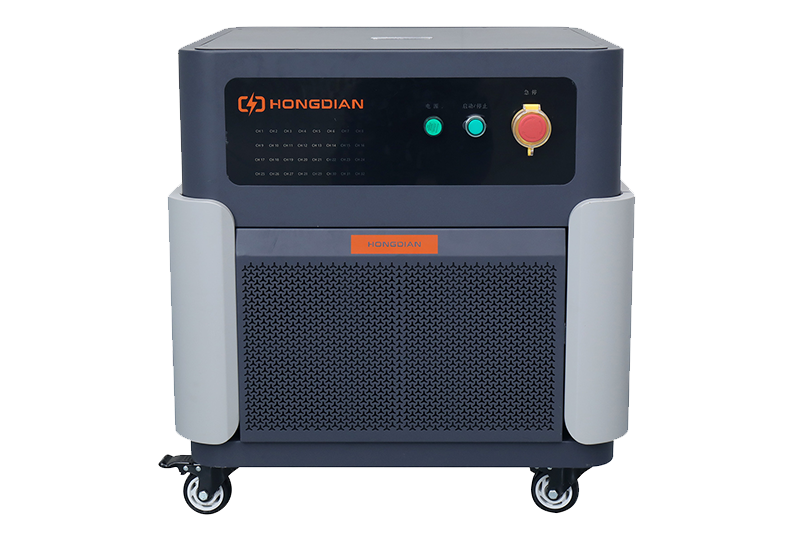
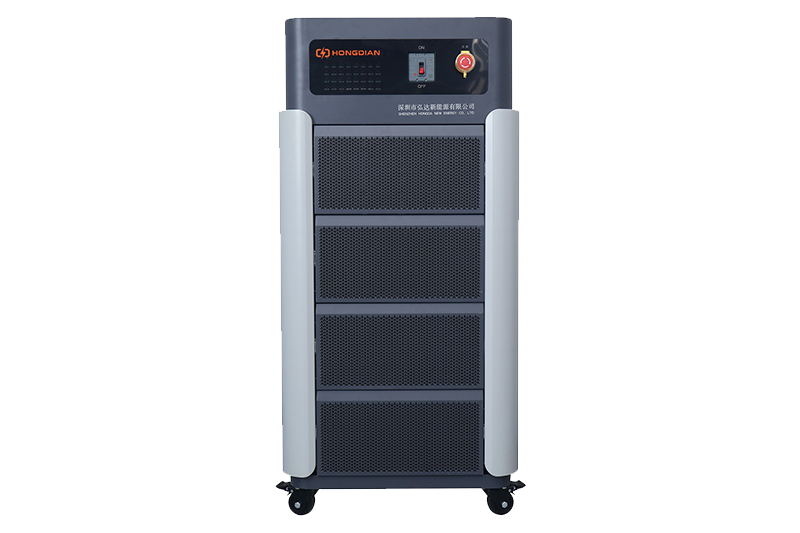
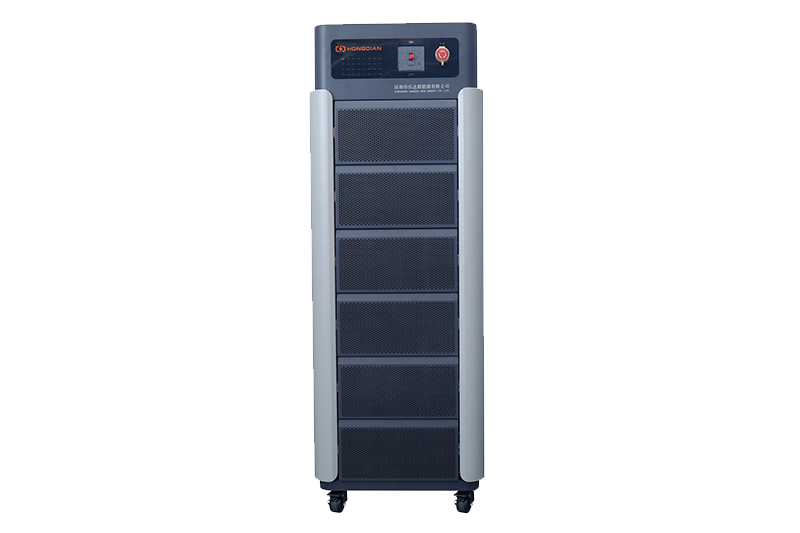
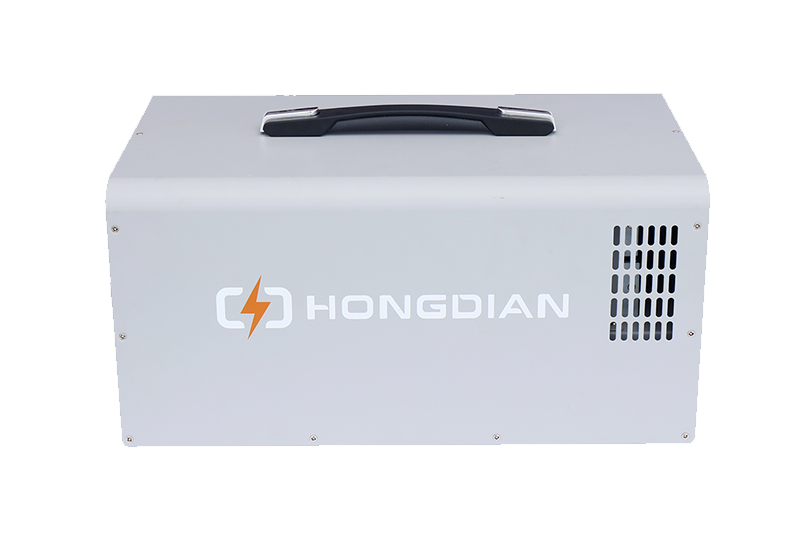
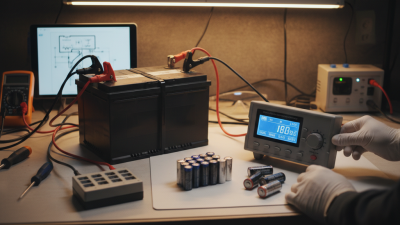
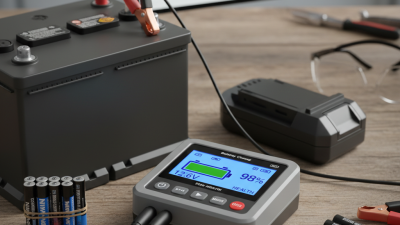
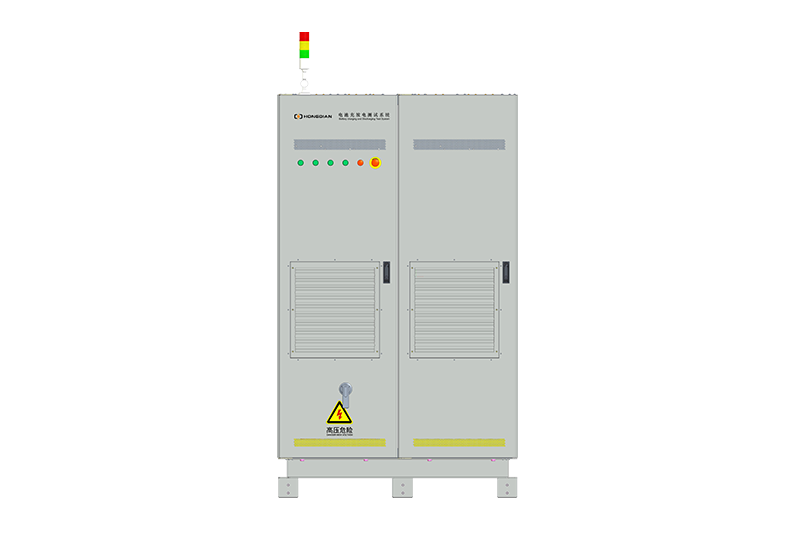
32/48 channel battery charging and discharging test integrated battery cabinet

40 channel battery charging and discharging test integrated battery cabinet
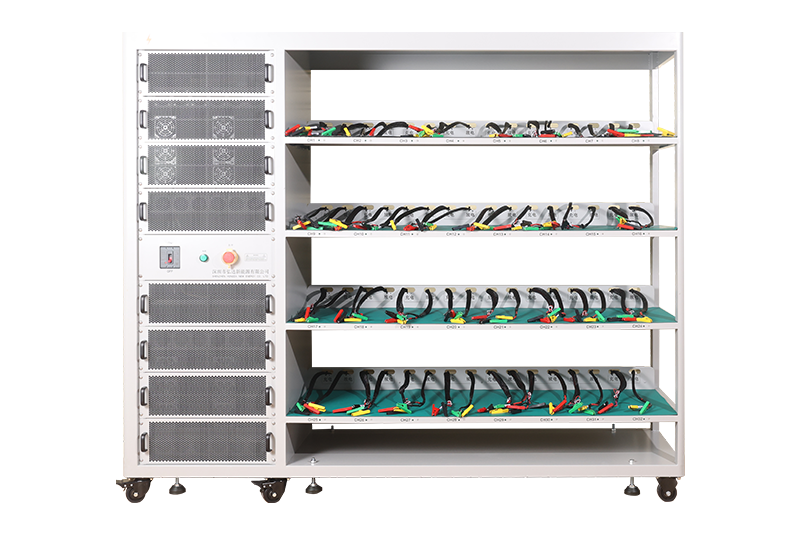
64 channel battery charging and discharging test integrated battery cabinet
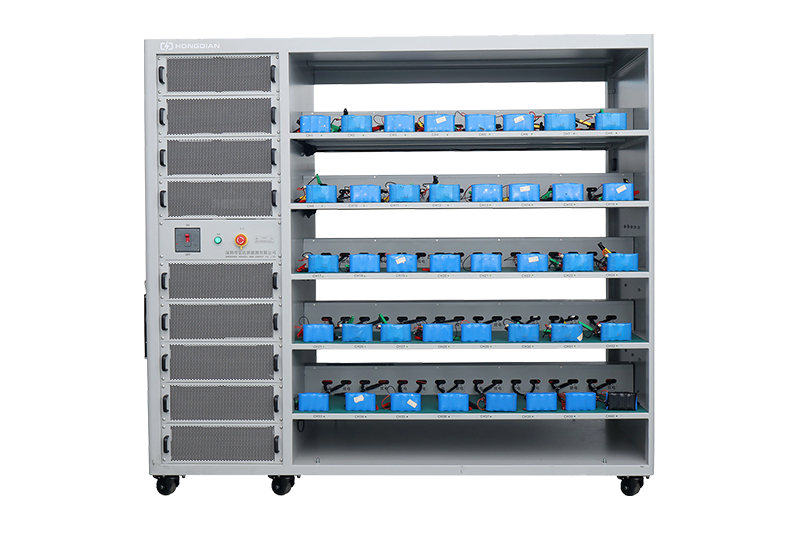
80 channel battery charging and discharging test integrated battery cabinet
Choosing the right Battery Tester Meter is not as simple as selecting the cheapest model with a bright screen. A useful tester should provide consistent readings, clear controls, and suitable safety protection for the batteries you actually use. Testing a small AA battery differs greatly from checking a 12-volt automotive battery or a rechargeable lithium-ion pack.
In practical bench testing, I have found that voltage readings can be misleading. A weak battery may show normal voltage while powering nothing for long. Load testing reveals more. That distinction matters. The best meters explain their limits instead of promising perfect answers. Accuracy, resistance range, display readability, probe quality, and automatic shutoff all affect daily use. A sturdy case also helps when the meter sits beside a toolbox or travels in a vehicle.
This guide compares popular Battery Tester Meter options through real-world considerations, manufacturer specifications, and basic verification methods. It considers beginners, hobbyists, technicians, and drivers who need dependable results without unnecessary complexity. Safety remains essential, especially around damaged, swollen, or high-capacity batteries. Never rely on one reading alone.
Small details matter.
Some testers perform well with common household cells but struggle with unusual battery types. Others include useful load functions but provide confusing instructions. I will examine those compromises honestly, because no meter is perfect for every application. The goal is not merely to identify the highest voltage. It is to find a reliable tester that helps you make safer, better-informed battery decisions.
What Is the Best Battery Tester Meter to Buy?
A useful battery tester meter should measure more than open-circuit voltage. It should also support load testing and internal resistance readings. These three checks reveal different problems.
Voltage is the easiest starting point. A rested 12-volt lead-acid battery often shows about 12.6 volts when fully charged. Around 12.2 volts suggests partial discharge, not automatic failure. Measure after several hours without charging or driving. A fresh reading can mislead you. I once tested a recently charged battery and judged it healthy too quickly.
Load testing shows whether the battery can deliver current under demand. Many testers apply a controlled load for about 15 seconds. A weak battery may drop sharply, even when its resting voltage looks normal. Temperature matters, especially in cold conditions. Follow the tester’s rated procedure and the battery’s specified cranking value. Do not guess with an oversized load.
Internal resistance adds another useful clue. Lower resistance usually supports stronger current delivery, while a rising value can indicate aging, corrosion, or poor connections. However, the result changes with temperature and state of charge. It is a comparison tool, not a perfect diagnosis. Lithium batteries also require different testing limits and charging precautions. Check the meter’s accuracy and replace damaged leads before trusting any reading.
What is the best battery tester meter to buy? The answer depends on the battery chemistry and the test required. A simple voltmeter checks terminal voltage, but it cannot prove starting performance or remaining capacity. A load tester applies current and observes voltage drop. It is useful for lead-acid starter batteries covered by IEC 60095-1, especially when testing under controlled temperature and charge conditions.
Conductance and impedance meters are faster and produce less discharge. However, their estimates can become uncertain when a battery is cold, deeply discharged, or recently charged. IEC 60095-1 focuses on performance requirements for lead-acid starter batteries, so a meter should support relevant current, voltage, and temperature measurements. Do not treat a marketing result as formal compliance evidence.
For nickel-metal hydride batteries, IEC 61951-1 addresses safety, performance, and testing requirements for rechargeable cells and batteries. A suitable analyzer should identify chemistry, record charge and discharge values, and prevent unsuitable test currents. Small cells need different fixtures and settings than vehicle batteries. Very useful.
In practical testing, I record open-circuit voltage first, then wait before repeating the reading. Surface charge can mislead the meter. I also compare the result with capacity data from a controlled discharge test. This takes longer, but it exposes weak batteries that quick readings may miss. No tester is perfect. Temperature compensation and calibration still deserve attention.
The chart compares common battery-tester types by their practical coverage of measurements associated with IEC 60095-1 lead-acid starter batteries and IEC 61951-1 nickel-metal hydride batteries. The score is a capability guide, not a certification or pass/fail result. A battery analyzer with controlled charging, discharging, current measurement, and temperature monitoring provides the broadest coverage for capacity and performance testing.
What Is the Best Battery Tester Meter to Buy?
The best battery tester meter depends on the battery chemistry, not only its voltage. Lead-acid batteries often suit load testers or conductance meters. These tools can reveal weak plates, reduced cranking capacity, and poor charge acceptance. For a 12-volt starter battery, check the tester’s current range and cold-cranking setting. A simple voltage reading can look healthy after charging, even when the battery fails under load.
NiMH batteries need a different approach. Their voltage changes with charge level, temperature, and recent use. Choose a meter that supports individual cells or the correct pack voltage. Resistance readings can help, but they are not perfect. I have seen a warm NiMH pack appear stronger than it performed in a device. Let the pack rest before testing. Small details matter.
Lithium-ion batteries require extra care. Use a tester designed for the specific lithium chemistry and pack configuration. Confirm the voltage range, cell count, and connection method. Do not rely on voltage alone. A battery management system may disconnect a damaged pack, hiding its real condition. Some meters also estimate capacity poorly when the battery is partially charged. That weakness deserves attention. For reliable results, record temperature, resting voltage, test current, and measured capacity. A meter with clear instructions is often more useful than one with many unexplained functions.
The best battery tester meter should measure a 12-volt starter battery against its SAE J537 cold-cranking rating. This rating reflects a demanding test at 0°F, or -18°C. During the test, the battery supplies its rated current for 30 seconds. A 12-volt battery must maintain at least 7.2 volts. That detail matters. A simple voltage reading cannot prove starting strength.
Before testing, switch off the engine and let the battery rest. Check the case, terminals, and cables for damage or corrosion. Then fully charge the battery, because low charge can create a misleading result.
In practice, I prefer a meter that supports both conductance testing and a controlled load test. Enter the battery’s printed CCA value, not a guessed number. Compare the measured result with that rating. A healthy battery should normally test near its stated capacity, although temperature and battery age affect readings.
Electronic meters are convenient, but they estimate performance rather than repeating the full SAE procedure. Load testers provide more direct evidence, yet they require careful timing and accurate voltage observation.
I have seen a new battery test poorly after a short charge. I have also trusted a high reading from a weak connection. That was a mistake. Clean terminals and repeat the test.
Keep a written record of temperature, voltage, CCA rating, and test result. Small details often explain a failed morning start.
What Is the Best Battery Tester Meter to Buy?
A reliable battery tester must offer more than a clear digital display. Accuracy depends on stable test leads, correct load selection, and a healthy internal fuse. Check the stated tolerance, resolution, and measuring range before buying. A meter showing voltage accurately may still estimate capacity poorly. Temperature can also change readings, especially during high-current testing. I once trusted a quick voltage check too much. That shortcut gave a false sense of battery health.
Safety requires careful attention to CAT ratings. CAT II suits receptacles and portable equipment, while CAT III covers distribution-level environments. Choose a rating that matches the measurement location, not merely the battery voltage. Look for finger guards, shrouded terminals, input protection, and replaceable fuses. IEC 61010-1 compliance indicates that the instrument was designed against recognized measurement hazards. Still, inspect the certificate and product documentation. A printed claim alone is not proof.
Tips: Test a known battery first. Keep leads clean and fully inserted. Never use damaged insulation. Let warm batteries rest before testing. Record repeated readings, rather than trusting one result. If values fluctuate, check contact pressure, range settings, and battery temperature. A small notebook can reveal patterns that a single display cannot.
| Tester Type | Typical Measurements | Typical Accuracy | Best Use | Safety and Input Protection | CAT Rating Considerations | IEC 61010-1 Compliance | Buying Assessment |
|---|---|---|---|---|---|---|---|
| Analog Battery Tester | Approximate battery voltage under a small load; some models include a simple battery-condition scale. | Low to moderate Usually intended for quick condition checks rather than precision measurement. |
Household batteries, remote controls, flashlights, and basic maintenance checks. | Limited protection is common. Incorrect connection, excessive voltage, or prolonged loading may damage the tester. | CAT rating is often not provided. Do not assume that a low-cost battery tester is suitable for energized distribution circuits. | Compliance should not be presumed unless the instrument is clearly marked and supported by documentation. | Choose only when low cost and a quick indication are more important than repeatability and detailed diagnostics. |
| Digital Handheld Battery Tester | DC voltage, resistance, continuity, and sometimes loaded voltage or battery capacity estimates. | Moderate to high A typical digital multimeter voltage function may provide around ±0.5% to ±1.0% of reading, depending on range and conditions. |
General-purpose testing of primary cells, rechargeable packs, control circuits, and low-voltage equipment. | Look for an internal fuse, input overvoltage protection, protected terminals, clear polarity markings, and shrouded test leads. | CAT II is generally associated with portable equipment and receptacle-connected loads; CAT III is intended for fixed-installation distribution environments. The rating must match the measurement location. | Prefer instruments explicitly tested to IEC 61010-1, with the edition, rated working voltage, and measurement category shown on the product or manual. | A strong all-round choice when the tester has verified safety markings, replaceable fuses, suitable leads, and a stable display. |
| Automotive Load Tester | Battery terminal voltage and voltage drop during a controlled high-current load; some models estimate starting performance. | Moderate Results depend on load accuracy, battery temperature, test duration, and the tester's cable resistance. |
12 V automotive lead-acid batteries and starting-system checks. | Requires insulated clamps, reverse-polarity protection, adequate ventilation, and protection against heat from the load element. Sparks and short circuits remain possible. | CAT ratings may be absent because the instrument is designed for low-voltage battery systems rather than building wiring. A CAT label does not replace correct automotive safety practices. | IEC 61010-1 status varies. Verify the manufacturer's declaration and test documentation instead of relying on the presence of a digital display. | Best for starting batteries when a real load test is needed; not the best choice for small cells, lithium battery packs, or mains measurements. |
| Electronic Conductance Battery Analyzer | Battery voltage, estimated internal conductance or resistance, and calculated state of charge or starting capability. | Moderate Repeatability can be good, but estimated battery condition is affected by temperature, chemistry, charge level, and test algorithms. |
Fast screening of automotive and standby batteries without applying a large external load. | Use models with reverse-polarity protection, fused or protected inputs, insulated leads, and clearly specified battery-voltage limits. | CAT classification may be irrelevant or unavailable for dedicated low-voltage battery analyzers. Never use one on circuits exceeding its marked input rating. | Check whether IEC 61010-1 applies to the complete instrument and whether the documentation identifies the applicable measurement category and working voltage. | Convenient for rapid screening, but confirm important results with a suitable load test or manufacturer-approved procedure. |
| Bench Digital Multimeter with Battery Functions | High-resolution DC voltage, current, resistance, continuity, diode test, and sometimes low-current battery or leakage measurements. | High Higher resolution and better stated uncertainty are available, but accuracy still depends on range, calibration, lead resistance, and temperature. |
Laboratory work, electronics service, battery development, charging-system checks, and repeatable comparative measurements. | Often provides input fusing, overload protection, guarded terminals, and stable connections. It may not be portable or suitable for field work. | Bench instruments may have a lower or different CAT rating than rugged handheld meters. Confirm the rating before measuring any mains-connected or industrial circuit. | Look for an explicit IEC 61010-1 compliance statement, rated environmental conditions, pollution degree, and measurement-category information. | Best when measurement accuracy, documentation, and repeatability matter more than portability or built-in high-current load testing. |
| Battery Service Analyzer with Data Logging | Voltage, current, resistance or conductance, charge/discharge trends, temperature input, and stored test records. | High for documented testing Accuracy depends on sensor calibration, current-shunt specification, sampling method, and software configuration. |
Maintenance programs, battery rooms, renewable-energy systems, UPS service, and production quality checks. | Choose galvanically isolated inputs where required, protected measurement ports, appropriately rated accessories, and clear limits for battery strings and external power sources. | For battery systems connected to other equipment, the CAT rating must cover the complete measurement environment. A device rated only for low-voltage electronics is unsuitable for energized distribution panels. | IEC 61010-1 compliance should be supported by a formal declaration, test report, or certification information. Accessories and external adapters may require separate verification. | Best for professional users who need traceable records, repeatable procedures, and trend analysis rather than a simple pass/fail reading. |
| Portable Battery Impedance Meter | AC test signal measurement of internal impedance, resistance, and often DC voltage; some models calculate battery condition indicators. | High for impedance comparison Useful for detecting changes between cells, but not a direct measurement of usable capacity or remaining runtime. |
UPS systems, stationary battery banks, manufacturing inspection, and preventive maintenance. | Require insulated probes, correct terminal spacing, protection against charged capacitors, and a clearly specified maximum input voltage. | Many dedicated impedance meters are designed for isolated battery systems and may not carry a high CAT rating. Never infer mains suitability from impedance accuracy. | Verify IEC 61010-1 compliance and the instrument's permitted measurement environment, especially when testing battery strings connected to chargers or inverters. | Choose for comparative health monitoring and trend detection; pair it with voltage, load, and capacity testing for a complete assessment. |