Best Li Ion Battery Checker for Quality Assurance in China?
In the fast-paced world of lithium-ion battery production, quality assurance is paramount. The demand for reliable energy storage solutions continues to surge. Li-ion batteries are crucial in various industries, from electric vehicles to consumer electronics. According to a recent report by ResearchAndMarkets, the global Li-ion battery market will reach $129.3 billion by 2027, indicating rapid growth.
To ensure safety and performance, a reliable Li Ion Battery Checker is essential. This tool assesses battery health and efficiency, helping manufacturers maintain high standards. As production processes evolve, the need for advanced testing equipment becomes clear. A quality battery checker not only prevents potential failures but also ensures customer satisfaction.
However, challenges remain in selecting the best quality assurance tools. Many companies struggle with varying standards and technologies. Reports show that oversight can lead to significant safety incidents. Industry experts emphasize the importance of regular assessments and updates. Investing in an effective Li Ion Battery Checker is crucial for any company committed to reliability and excellence in battery technology.
Understanding Li-Ion Batteries: Importance of Quality Assurance
Quality assurance in Li-ion batteries is crucial. These batteries power countless devices, from smartphones to electric vehicles. A poor-quality battery can lead to performance issues or even safety risks. Understanding the mechanics and chemistry behind these batteries can greatly enhance quality checks.
It is crucial to assess battery capacity, cycle life, and thermal stability. Regular testing can uncover flaws before they become critical. With varying manufacturing processes in China, consistency in quality is often an issue. This calls for rigorous standards and checks.
Here are some tips for quality assurance:
- Regularly inspect and test battery samples.
- Keep abreast of industry standards and best practices.
- Collaborate with experts for more accurate assessments.
Implementing a thorough quality assurance framework can minimize risks. Even small deviations in manufacturing can lead to significant problems later. Understanding these nuances is essential for
improving battery quality.
Criteria for Selecting Li-Ion Battery Checkers in China
When selecting a Li-Ion battery checker in China, several criteria come into play.
Accuracy is paramount. A reliable checker must ensure that readings are precise.
According to industry reports, devices should maintain a variance of less than 2%. This reliability can significantly impact production quality.
Durability is another key factor. Equipment in battery manufacturing environments faces harsh conditions.
Checkers must withstand heat and dust. A durability rating of IP65 or higher is often preferred. Devices with robust housing can last longer and require less frequent replacements, which impacts overall cost.
Tips: Regular calibration is essential for accuracy. Checkers that have not been calibrated may give significantly different readings.
Consider using checkers with a clear user interface. Complexity can lead to errors in operation.
Integration capabilities also matter. A checker should seamlessly integrate with existing manufacturing systems. Reports suggest that around 30% of battery defects arise from poor integration.
Thus, ensuring compatibility can substantially reduce the margin of error. Test different models for compatibility with your setup for optimal performance.
Top Brands of Li-Ion Battery Checkers for Quality Assurance
In recent years, the demand for high-quality Li-Ion battery checkers has surged in China. This rise is driven by an increased emphasis on quality assurance across multiple industries. According to industry reports, the battery testing market is expected to grow by 10% annually, reflecting the growing need for accuracy and reliability in battery performance assessments.
Top brands specialize in producing reliable Li-Ion battery checkers. These devices provide essential metrics such as voltage, capacity, and internal resistance. They help manufacturers identify potential issues early in the production cycle. A prominent study revealed that 72% of quality failures in battery production could be mitigated through proper testing protocols.
It's worth noting that not all devices provide consistent results. Some may lack advanced features, leading to inaccurate readings. These discrepancies can affect overall product quality. Furthermore, user skill levels can greatly vary, impacting how effectively these checkers are utilized. It’s crucial for companies to offer thorough training and clear guidelines. Ensuring accuracy in the testing process enhances the overall reliability of Li-Ion batteries.
Li-Ion Battery Checker Performance Comparison
This chart presents a comparison of various performance metrics for top-quality Li-Ion battery checkers used in quality assurance in China. The metrics include accuracy, response time, durability, weight, and cost, providing insights into the overall performance and efficiency of the devices.
Features of an Effective Li-Ion Battery Checker
When it comes to quality assurance in Li-Ion batteries, an effective checker is essential. These devices help ensure battery safety and performance. A top-notch battery checker should feature multiple testing modes. It must be able to assess voltage, capacity, and internal resistance accurately. Users often miss these details, leading to potential failures.
One critical aspect is the user interface. It should be clear and easy to navigate. An intuitive design allows operators of varying skill levels to perform tests efficiently. Battery checkers should also provide real-time data. This way, users can make quick decisions during inspections. Regular updates can enhance the device's functionality.
Tips: Always calibrate your battery checker periodically. This maintains accuracy over time. Also, familiarize yourself with the device. Understanding its functions can help avoid errors during testing. Don't ignore warning lights; they indicate potential issues that need attention. Learning from mistakes can lead to better quality assurance practices.
Future Trends in Li-Ion Battery Testing and Quality Assurance
The demand for lithium-ion batteries is surging. As industries grow, robust testing is crucial. Quality assurance methods must evolve to meet high standards. Testing can determine battery life, efficiency, and safety features. However, not all testing methods give reliable outcomes. This inconsistency leads to errors and potential risks in battery applications.
Emerging trends emphasize advanced technology in testing processes. Techniques like AI and IoT are becoming popular. They enhance accuracy and efficiency in quality assessments. Yet, challenges remain, especially concerning data privacy and cybersecurity. Companies must balance innovation with security. Integrating new tech into traditional testing may require rethinking existing protocols.
Investing in personnel training is essential. Skilled technicians can interpret data more effectively. Ongoing education in quality assurance is vital. A lack of trained staff can hinder quality control efforts. Attention to detail ensures that every aspect is checked. Continuous reflection on testing practices will lead to improvements. The landscape of Li-ion battery testing is shifting. Adapting to these trends is paramount for success.

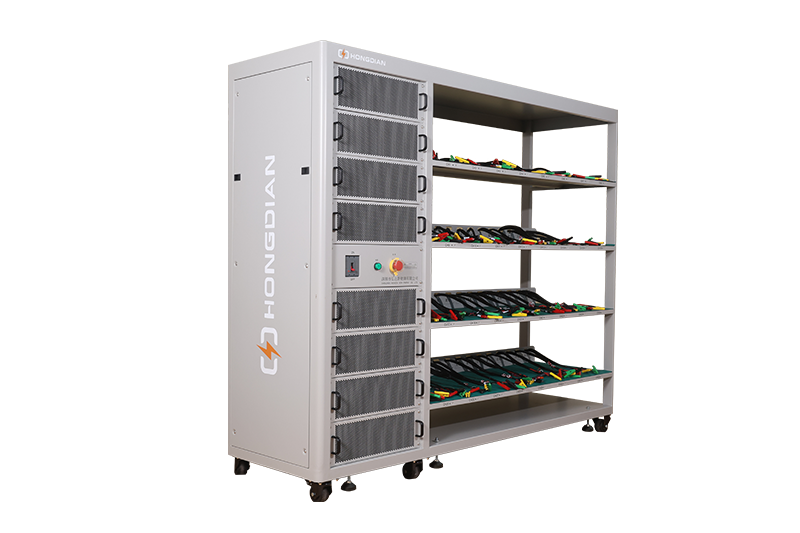 32/48 channel battery charging and discharging test integrated battery cabinet
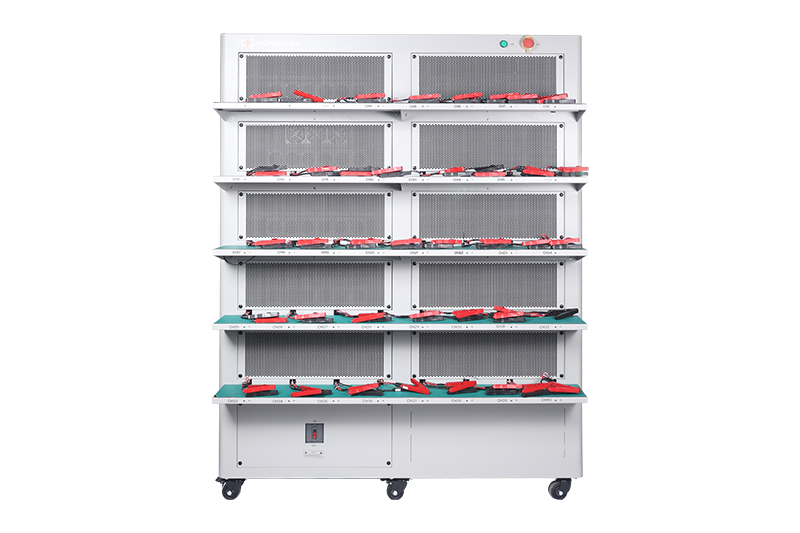 40 channel battery charging and discharging test integrated battery cabinet
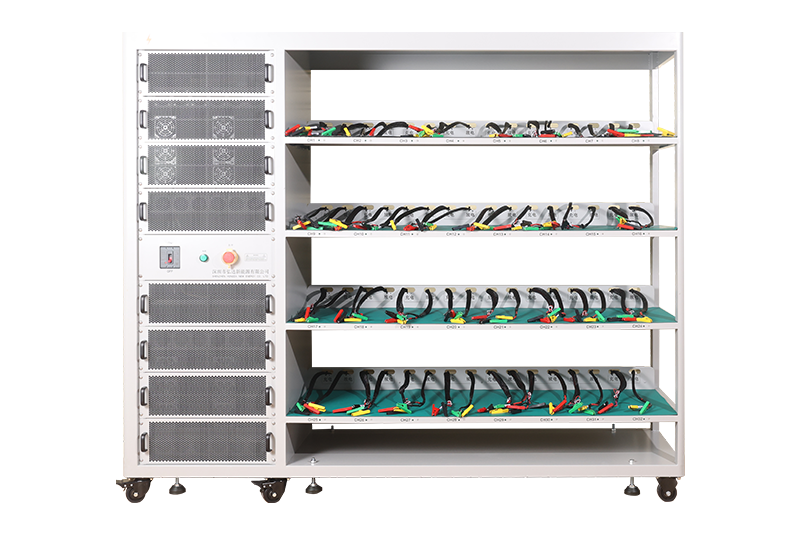 64 channel battery charging and discharging test integrated battery cabinet
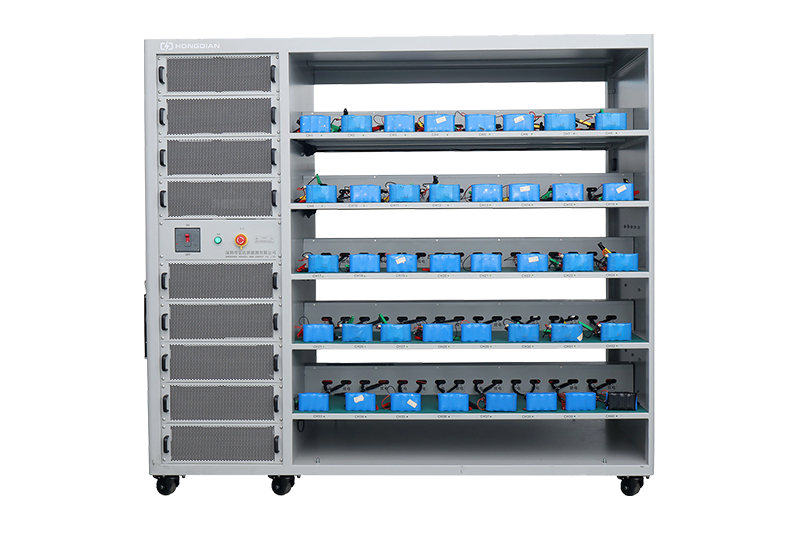 80 channel battery charging and discharging test integrated battery cabinet
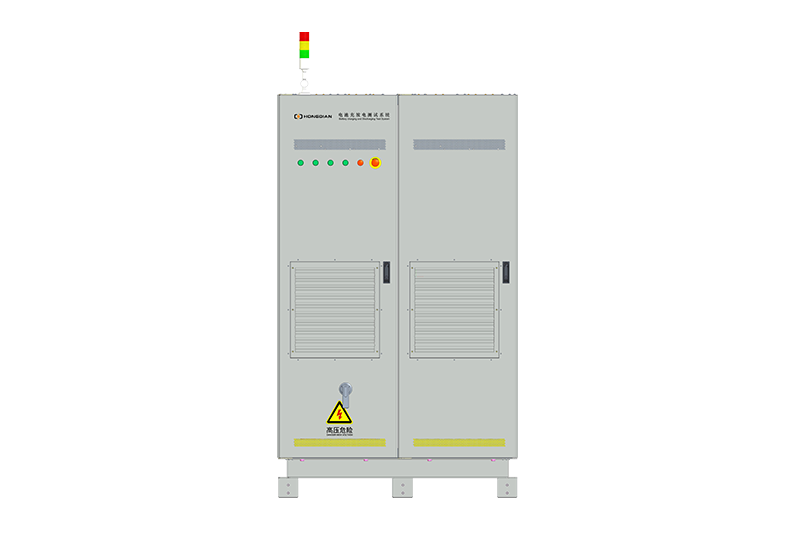 1000V-1500V High Voltage High Current Battery Testing System
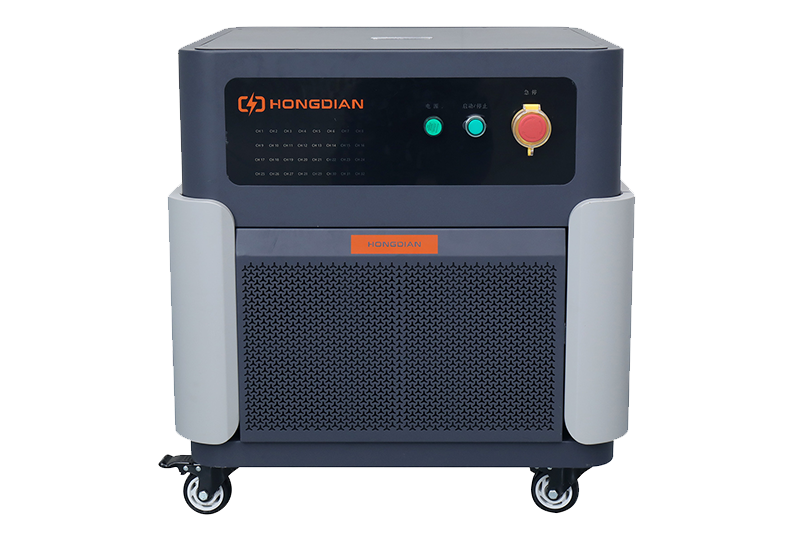 High-Precision Battery Testing System for Enhanced Performance Monitoring 30V/60V/100V/120V
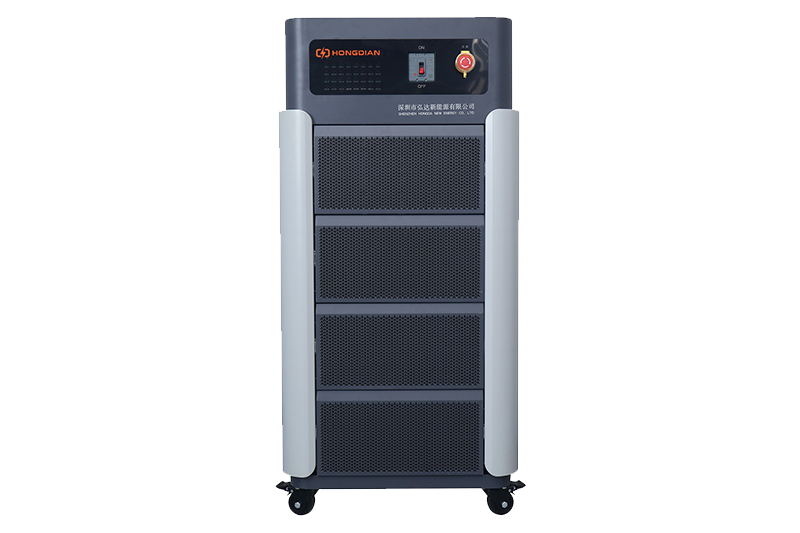 High-Precision Battery Charge Discharge Test Systems for EV Manufacturers
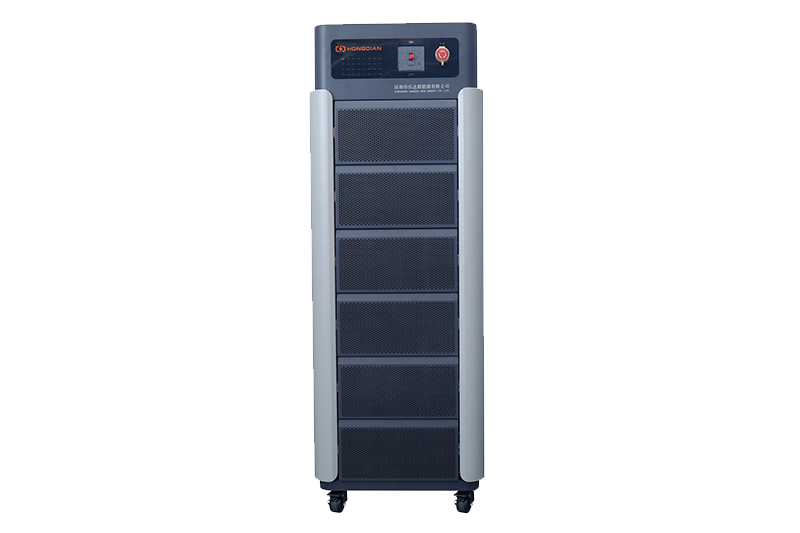 Precision Battery Test Racks for Cell Capacity & Internal Resistance Measurement
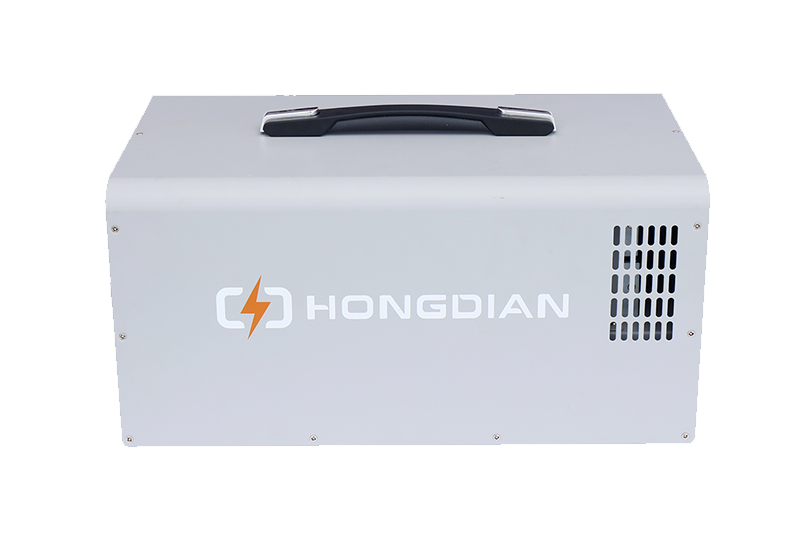 Multi-Channel Battery Testing Equipment for Parallel Performance Analysis