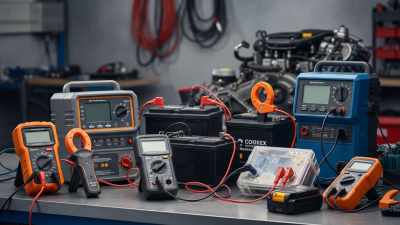
Best Rechargeable Battery Tester for Efficient Testing Needs?
When seeking a reliable Rechargeable Battery Tester, efficiency should be at the forefront of your mind. In today's fast-paced world, time is a valuable resource. Having a device that allows you to quickly and accurately assess battery performance is essential for both personal and professional needs.
It's important to consider various factors when selecting the best tester. Not all devices offer the same reliability. Some testers are user-friendly and provide additional features, while others may complicate the testing process. Do you need advanced features? Or is simplicity your priority? Reflect on your own testing habits and requirements.
The right Rechargeable Battery Tester not only saves time but also enhances productivity. Selecting an efficient tester can help you avoid situations where depleted batteries hinder your workflow. Let’s explore the options available to ensure that you make an informed choice that meets your specific testing needs.
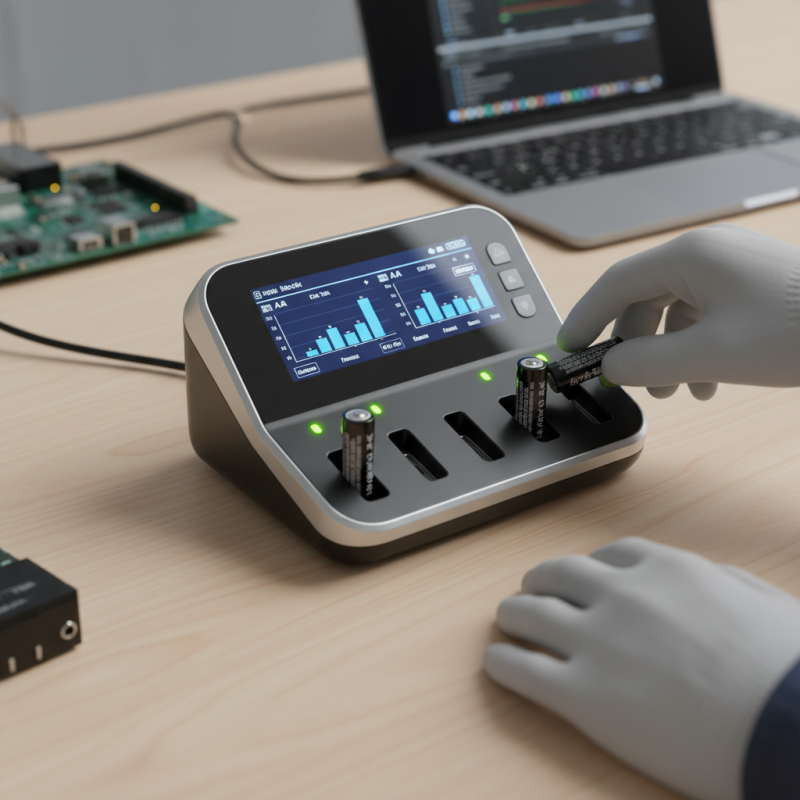
Best Rechargeable Battery Tester: An Overview of Features and Functions
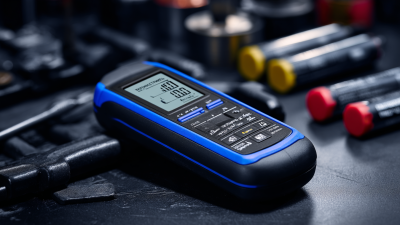
When choosing a rechargeable battery tester, understanding its features is crucial. These devices often come equipped with LCD screens, providing clear readings of battery health.
A reliable tester will offer various modes, enabling users to assess both voltage and charge capacity efficiently. An intuitive interface makes it easier for anyone, regardless of technical expertise.
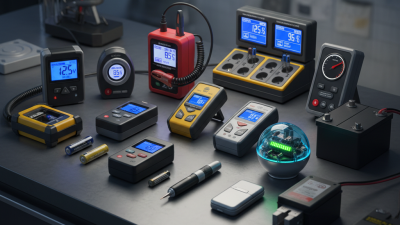
Beyond basic functionality, advanced testers may include features like short-circuit protection. This is vital as it safeguards both the device and the user during testing. Battery life indicators can be a game changer, helping users track performance over time. However, some products may lack precision, leading to inaccurate readings. It’s essential to consider how a tester responds in real-world scenarios.
While many testers are designed for convenience, users often overlook the importance of regular calibration. Neglecting this can compromise reliability. Despite having the latest technology, some testers might still provide inconsistent results. Reflecting on these factors is crucial for ensuring effective usage and choosing a tester that meets your specific needs.
Understanding Battery Chemistry: NiMH, Li-ion, and Lead-Acid Testing Needs
Understanding battery chemistry is crucial for selecting the best rechargeable battery tester. There are three primary battery types: Nickel-Metal Hydride (NiMH), Lithium-Ion (Li-ion), and Lead-Acid. Each has distinct testing needs that a reliable tester must address.
NiMH batteries, commonly used in household devices, have a nominal voltage of 1.2V. They require testers that can assess voltage levels accurately. Studies show that a significant percentage, around 20%, of NiMH batteries could be poorly maintained, leading to unexpected failures. Regular testing can prevent this issue. It’s important to validate the charger compatibility with these batteries. This can make a huge difference in their lifespan.
Li-ion batteries, found in smartphones and laptops, have complex chemistry. They can be highly volatile if not tested correctly. Research indicates that improper testing can lead to a 30% decrease in battery health. Lead-Acid batteries, often used in vehicles, need consistent voltage checks. They operate at 12V and can linger on the brink of failure. A proper tester can reveal the state of charge and overall health, helping users avoid dead batteries. Each battery type requires tailored approaches for optimal performance and safety.
Best Rechargeable Battery Tester for Efficient Testing Needs? - Understanding Battery Chemistry: NiMH, Li-ion, and Lead-Acid Testing Needs
| Battery Type |
Voltage (V) |
Capacity (mAh) |
Charging Method |
Testing Time (min) |
| NiMH |
1.2 |
2000 |
CC-CV |
5 |
| Li-ion |
3.7 |
2500 |
CC-CV |
10 |
| Lead-Acid |
12 |
7000 |
Bulk Charge |
15 |
| Li-Ion Polymer |
3.7 |
3000 |
CC-CV |
12 |
| NiCd |
1.2 |
1000 |
Constant Current |
7 |
Key Performance Metrics: Voltage, Capacity, and Internal Resistance Explained
When selecting a rechargeable battery tester, it's crucial to evaluate three key performance metrics:
voltage,
capacity, and
internal resistance.
Understanding these factors can significantly enhance your testing efficiency. For instance, a well-calibrated voltage reading ensures that your batteries are delivering the expected power output.
Research indicates that voltage discrepancies can lead to an inefficient power supply, affecting device performance.
Capacity refers to how much charge a battery can hold. This measurement is essential for determining the longevity of your batteries.
A widely cited industry report reveals that batteries with higher capacity ratings tend to sustain energy delivery longer, but they may also weigh more.
Finding the right balance between capacity and weight is often a matter of trial and error.
Internal resistance is another critical metric that should not be overlooked.
This value influences how batteries perform under load. Higher internal resistance can lead to decreased efficiency and increased heat generation.
According to a study by the Battery University, minimizing impedance can significantly extend battery life.
However, achieving low internal resistance often requires advanced testing equipment, which may not always be readily available.
It's essential to reflect on these metrics and adapt your testing strategies accordingly for optimal results.

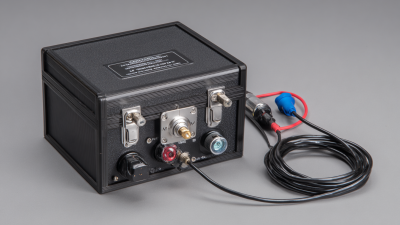
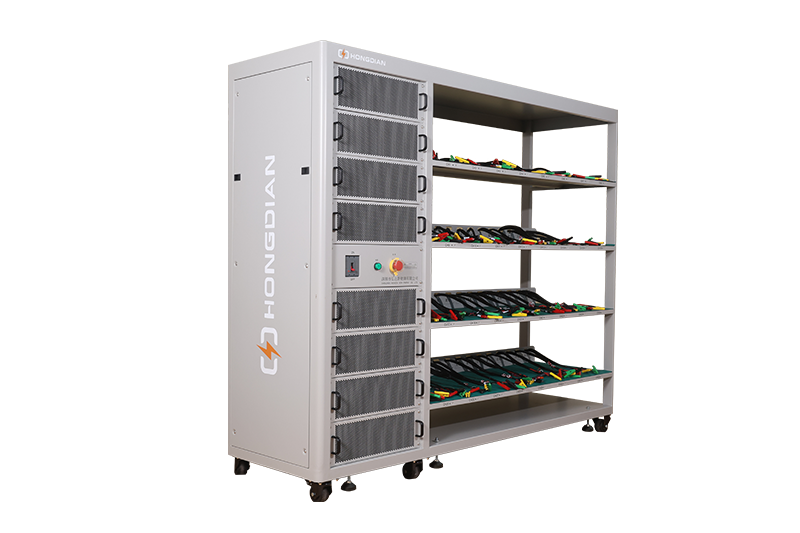 32/48 channel battery charging and discharging test integrated battery cabinet
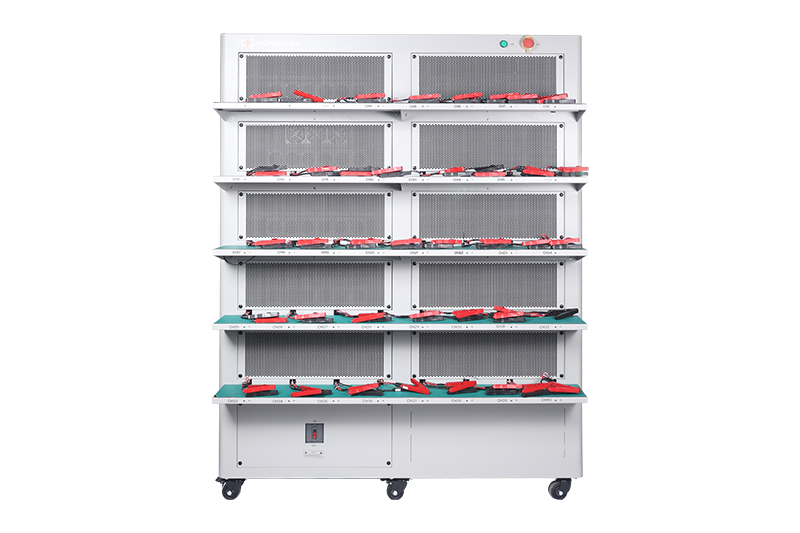 40 channel battery charging and discharging test integrated battery cabinet
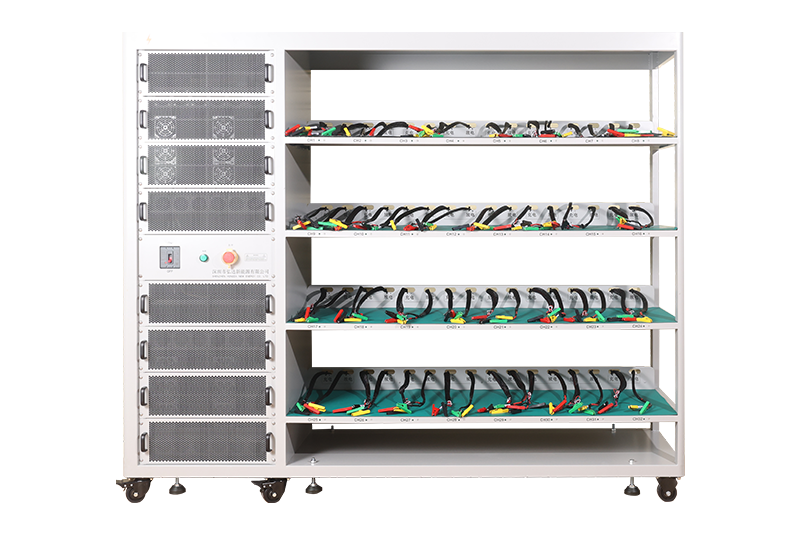 64 channel battery charging and discharging test integrated battery cabinet
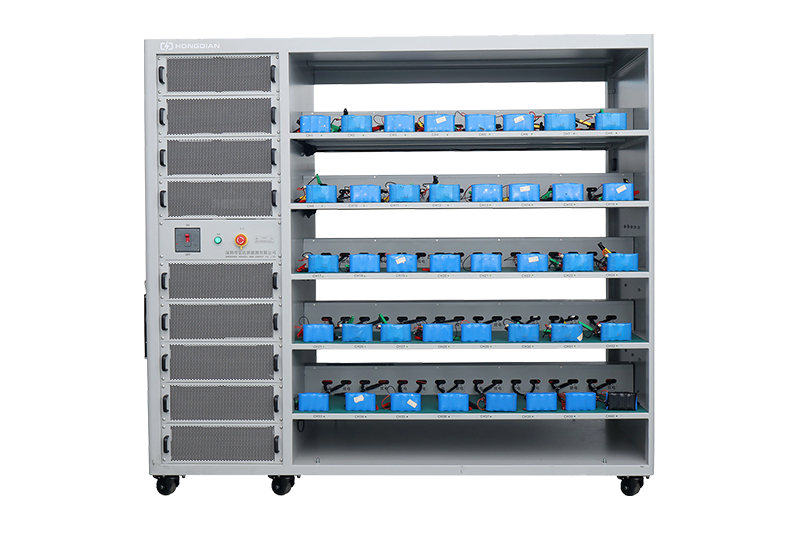 80 channel battery charging and discharging test integrated battery cabinet
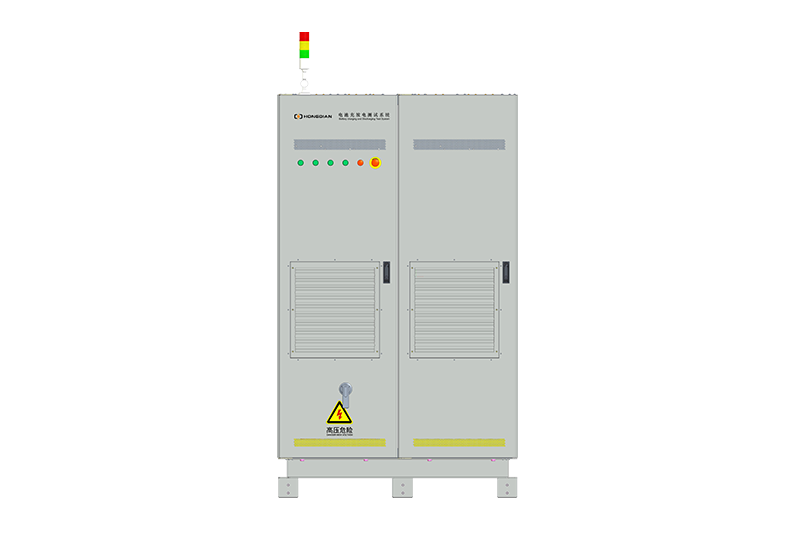 1000V-1500V High Voltage High Current Battery Testing System
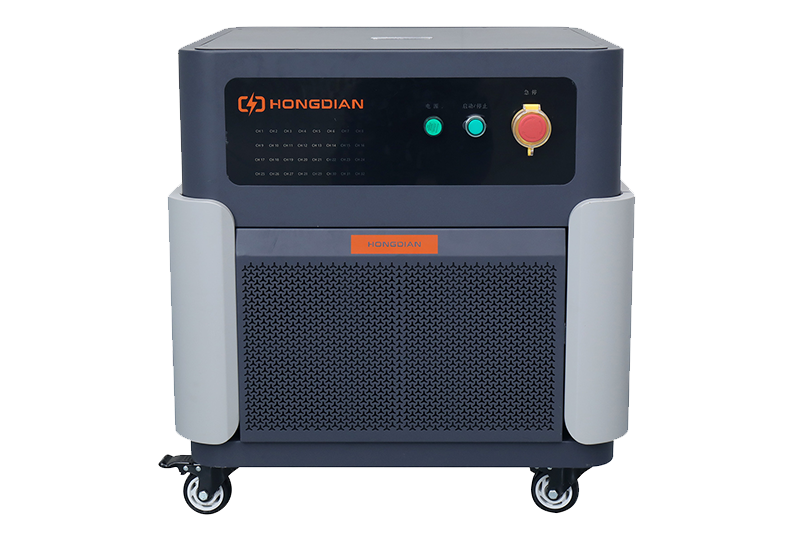 High-Precision Battery Testing System for Enhanced Performance Monitoring 30V/60V/100V/120V
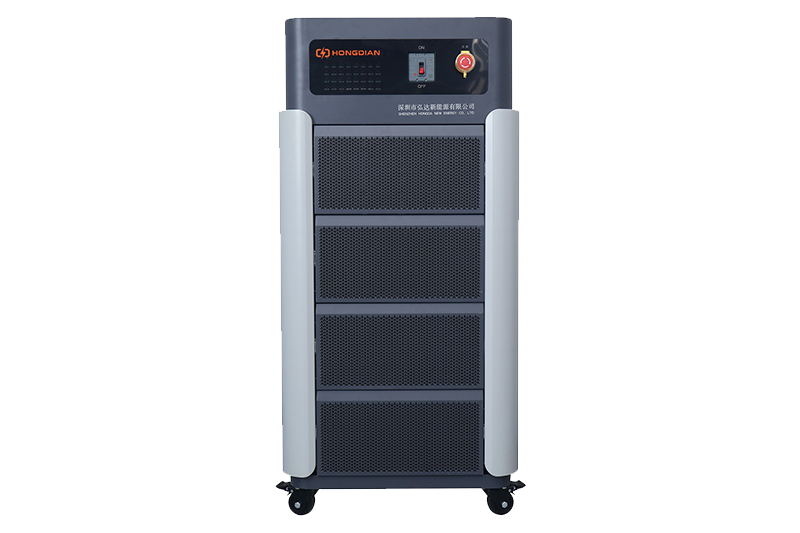 High-Precision Battery Charge Discharge Test Systems for EV Manufacturers
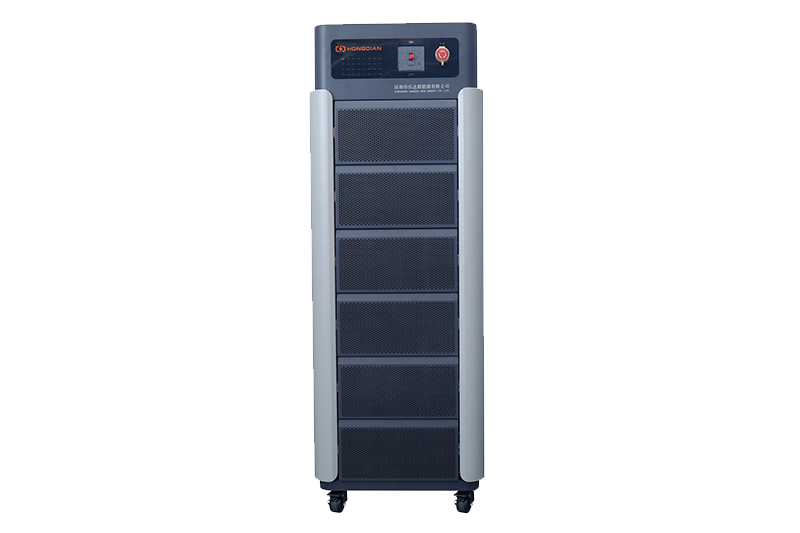 Precision Battery Test Racks for Cell Capacity & Internal Resistance Measurement
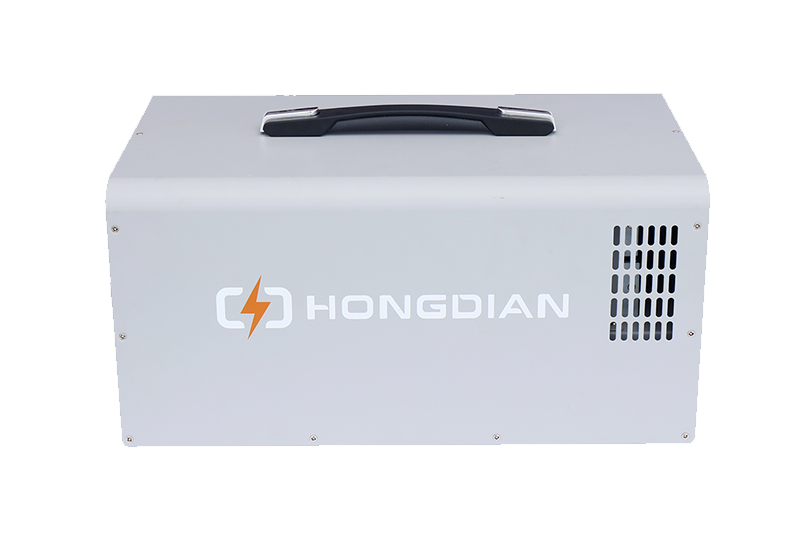 Multi-Channel Battery Testing Equipment for Parallel Performance Analysis