request to quote
Leave Your Message

China Top 10 Battery Analyzer Tester Suppliers?

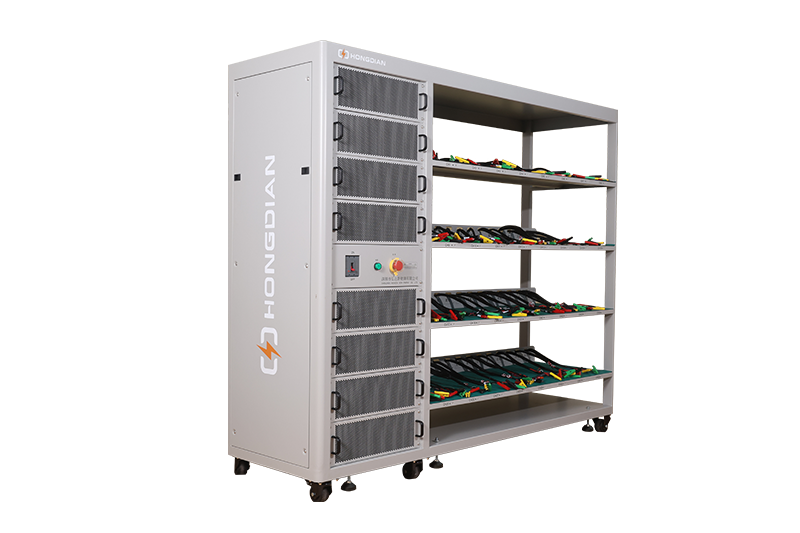
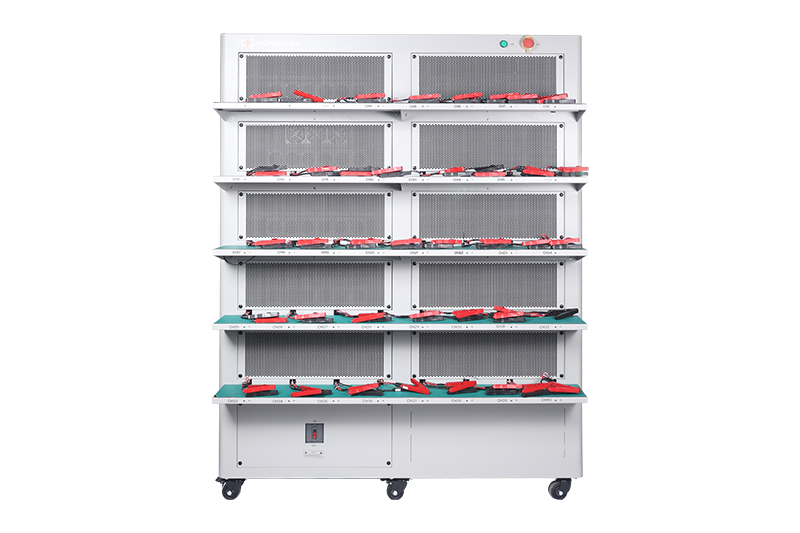
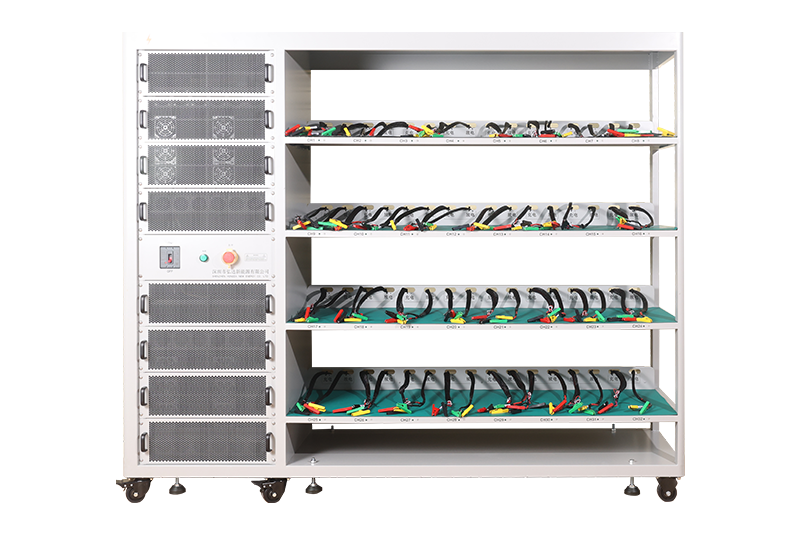
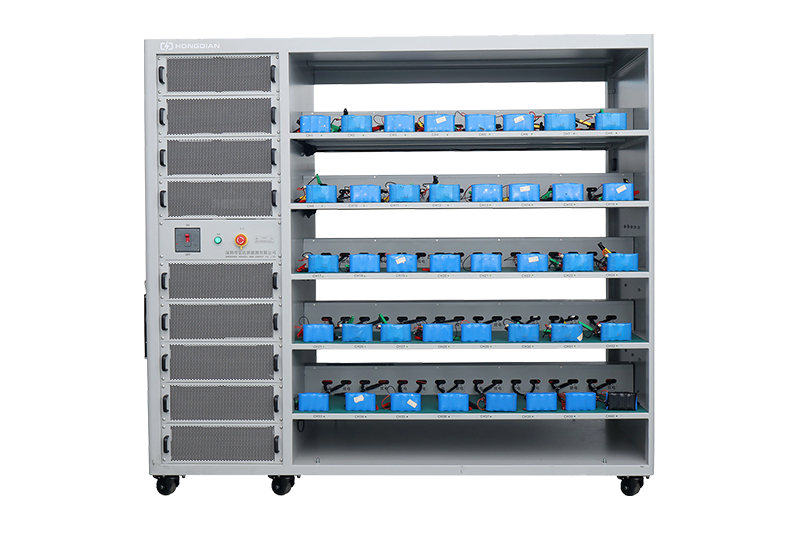
Choosing a reliable Battery Analyzer Tester supplier in China requires more than comparing prices or browsing polished websites. The right partner should provide accurate instruments, stable software, clear calibration records, and responsive technical support. This guide introduces ten notable Chinese suppliers for battery testing equipment, based on product capability, manufacturing experience, quality practices, and market reputation. Practical details matter. A laboratory may need a compact tester for portable cells, while an automotive workshop may require multi-channel systems for large battery packs.

Performance should be judged against real testing conditions. Important factors include voltage range, current accuracy, channel count, discharge control, temperature monitoring, data export, and safety protection. Suppliers with ISO-certified production systems, traceable calibration processes, and documented after-sales service deserve closer attention. Factory audits, sample testing, and customer references can reveal weaknesses hidden in online catalogs. They also help confirm whether a supplier can support long-term projects, not only one shipment.

No ranking is perfect. Supplier capabilities can change, and published specifications may not reflect daily performance. Some smaller manufacturers offer impressive customization but lack international service coverage. Others provide strong documentation yet respond slowly to technical questions. Buyers should request current datasheets, test reports, warranty terms, and demonstration results before making a decision. The following overview offers a practical starting point, not a substitute for independent verification. Careful comparison remains essential, especially when accuracy, operator safety, and battery reliability are involved.

China Top 10 Battery Analyzer Tester Suppliers?

What Battery Analyzers and Testers Are Used For

What Battery Analyzers and Testers Are Used For

Battery analyzers and testers measure capacity, voltage, resistance, temperature, and charging behavior. These tools support cell research, pack production, maintenance, and safety checks. The International Energy Agency reported that global electric vehicle battery demand reached about 750 GWh in 2023. That scale increases the need for repeatable testing and traceable records.

A battery analyzer can discharge a cell under controlled current. It then compares measured capacity with the rated value. Testers also identify voltage imbalance, abnormal heat, and rising internal resistance. These findings help technicians screen aging batteries before reuse or service. In production, automated systems check hundreds of cells with consistent settings. Standards such as IEC 61960 and IEC 62620 provide useful testing frameworks, but laboratory conditions may not represent daily operation. A clean result can still mislead.

Tips: Select equipment with calibrated current control and temperature monitoring. Match the tester’s voltage range to the complete battery pack. Record the cell temperature, test duration, cutoff voltage, and rest period. Without these details, two capacity results cannot be compared fairly. The U.S. Department of Energy’s Battery500 research emphasizes higher energy density and improved reliability, yet measurement uncertainty remains a practical concern. Operators should repeat unusual results and inspect cables, contacts, and software settings. Small setup errors matter.

How to Evaluate Chinese Battery Testing Equipment Suppliers

Choosing among China’s battery analyzer and tester suppliers requires more than comparing prices. Start by matching the supplier’s test range with your cells, modules, or battery packs. Check voltage, current, capacity, resistance, temperature, and cycle-life limits. A suitable system should leave reasonable operating headroom.

Ask for calibration certificates and traceability records. Request a sample test report, wiring diagram, and software screenshots. These details reveal whether the equipment supports repeatable measurements. Look for overload protection, emergency stops, thermal monitoring, and clear alarm records. Safety matters.

Supplier expertise also appears in technical communication. Can engineers explain measurement accuracy, sampling intervals, and calibration procedures without vague promises? Ask how failed channels are diagnosed and how replacement parts are supplied. A factory video call can show assembly areas, aging rooms, inspection tools, and final testing records. Photos alone are weak evidence.

Review the warranty in writing. Confirm response times, remote support, installation guidance, and software update policies. Test a demonstration unit with your own reference cells when possible. Small errors become expensive during long cycling tests.

A low quotation may hide limited channels or unstable software. Be careful.

One imperfect point deserves attention: published accuracy may not equal accuracy in your laboratory. Cable length, connector quality, ambient temperature, and operator training can change results. Independent verification is worth the extra time. A reliable supplier accepts these questions and provides measurable evidence, not only attractive brochures.

China’s Top 10 Battery Analyzer and Tester Suppliers

China’s Top 10 Battery Analyzer and Tester Suppliers serve a rapidly expanding battery manufacturing base. The International Energy Agency reported that China produced about 75% of global battery cells in 2023. This scale increases demand for precise charge-discharge systems, impedance analyzers, safety testers, and end-of-line inspection tools.

The strongest suppliers usually support lithium-ion cells, modules, and complete packs. They provide programmable current control, thermal monitoring, data logging, and automated fault alarms. BloombergNEF’s 2024 Battery Price Survey placed China’s average battery-pack price near 94 dollars per kilowatt-hour, below the global average of 115 dollars. Lower costs can encourage faster equipment purchases, but accuracy must not be sacrificed. A small calibration error can distort capacity results across thousands of cells.

When comparing China’s top ten suppliers, buyers should check traceable calibration records and testing ranges. Compatibility with IEC 62660, ISO 12405, UL 2580, and relevant GB/T standards also matters. The China Compulsory Certification system may apply to certain electrical products, depending on their design and use. Practical experience shows that software quality is often overlooked. Clear reports, remote diagnostics, and stable data export reduce production delays. Still, published specifications are not enough. Independent acceptance testing remains necessary, especially for high-current equipment. No supplier is perfect. Some interfaces feel unfinished, and after-sales response can vary by region. The best evaluation includes sample testing, service evidence, and realistic factory conditions.

China Top 10 Battery Analyzer Tester Suppliers? - China’s Top 10 Battery Analyzer and Tester Suppliers
Rank Anonymous Supplier Profile Primary Product Focus Typical Voltage Capability Typical Current Capability Measurement Accuracy Supported Battery Systems Common Test Functions Relevant Standards Typical Applications
1 Supplier Profile 01 Battery cyclers Pack analyzers 0–5 V per cell; up to approximately 1,000 V for selected pack systems Up to approximately 600 A, depending on the channel configuration Typically ±0.05% to ±0.10% of full scale Lithium-ion, LFP, NMC, lead-acid and nickel-based batteries Capacity, charge-discharge cycling, energy efficiency, pulse power and DCIR IEC 62660, GB/T 31484, GB/T 31485 and GB/T 31486 Cell development, module validation and production quality control
2 Supplier Profile 02 Cell testers Formation systems 0–5 V per channel for standard cylindrical, pouch and prismatic cells From milliamps to approximately 100 A per channel Typically ±0.05% of full scale for voltage and current measurement Rechargeable lithium-ion, LFP and nickel-metal hydride cells Formation, aging, capacity grading, OCV monitoring and cycle-life testing IEC 62660, IEC 62133-2 and applicable GB/T test methods Cell manufacturing, laboratory screening and incoming inspection
3 Supplier Profile 03 EV battery testers Regenerative cyclers Up to approximately 1,000 V for high-voltage battery packs Up to approximately 1,000 A for selected high-power configurations Typically ±0.1% of full scale High-voltage lithium-ion and LFP modules and packs HPPC, charge acceptance, regenerative discharge, thermal-condition cycling and SOC mapping IEC 62660, ISO 12405, GB/T 31467 and GB/T 31486 Electric vehicles, hybrid vehicles and battery-system integration
4 Supplier Profile 04 Portable analyzers Service testers Up to approximately 100 V for battery packs and electrical systems Up to approximately 300 A, with external load support on selected models Typically ±0.5% of reading or better Lead-acid, lithium-ion, LFP, AGM, GEL and nickel-based batteries State of charge, state of health, internal resistance, cranking performance and load testing Applicable automotive battery test and safety procedures Automotive service, maintenance, battery distributors and field diagnostics
5 Supplier Profile 05 Battery impedance analyzers EIS systems Low-voltage cell and module measurements, generally below 100 V Small-signal excitation; current depends on the impedance-analysis method High-resolution impedance measurement with frequency-dependent accuracy Lithium-ion, LFP, lead-acid and other rechargeable cell chemistries AC impedance, electrochemical impedance spectroscopy, resistance and aging analysis Laboratory procedures aligned with IEC and national battery evaluation methods Research laboratories, failure analysis and battery material development
6 Supplier Profile 06 Safety test equipment Abuse-test systems Electrical test ranges from low-voltage cells to high-voltage modules Short-circuit and overcurrent capabilities vary by test system design Designed for repeatable safety-test control and event recording Lithium-ion, LFP, polymer lithium and rechargeable battery packs Overcharge, over-discharge, short circuit, crush, nail penetration and thermal testing UN 38.3, IEC 62133-2, UL 1642 and UL 2580 Certification laboratories, product compliance and safety verification
7 Supplier Profile 07 Automated test systems Production line testers Configurable ranges from individual cells to approximately 1,000 V packs From low-current inspection to several hundred amperes Typically ±0.1% of full scale for core electrical parameters Lithium-ion, LFP, NMC, sodium-ion prototypes and lead-acid systems OCV, insulation resistance, polarity, capacity, leakage and end-of-line verification IEC 62660, GB/T 31484–31486 and factory-specific quality procedures Battery factories, automated assembly lines and traceability systems
8 Supplier Profile 08 Regenerative DC testers High-power systems Up to approximately 800–1,000 V DC Up to approximately 500–800 A, subject to system architecture Typically ±0.1% of full scale EV modules, traction battery packs and energy-storage systems Constant-current cycling, constant-power cycling, peak-power testing and energy recovery ISO 12405, IEC 62660 and relevant EV battery test specifications Electric mobility, energy storage and powertrain engineering
9 Supplier Profile 09 Energy-storage testers Grid battery analyzers Typically 0–1,500 V DC for selected container or rack-level systems From tens to several hundred amperes Typically ±0.1% to ±0.2% of full scale LFP, NMC, lead-acid and other stationary storage technologies Round-trip efficiency, capacity retention, charge-discharge scheduling and standby testing IEC 62933, IEC 62619 and applicable grid-storage requirements Renewable-energy storage, UPS systems and industrial backup power
10 Supplier Profile 10 Custom laboratory systems Integrated test platforms Configurable from millivolt-level cell testing to high-voltage pack testing Configurable from microampere measurements to high-current cycling Application-dependent; commonly ±0.05% to ±0.2% of full scale Conventional lithium-ion, solid-state prototypes, sodium-ion and specialty batteries Custom profiles, synchronized temperature testing, data logging and multi-channel cycling IEC, ISO, UL, UN 38.3 and customer-specific test specifications Universities, research institutes, pilot production and specialist laboratories
Technical ranges are representative industry specifications and may vary by model, channel count, system configuration and test application.

Key Differences in Products, Technologies, and Services

China’s top 10 battery analyzer tester suppliers differ sharply in products, technology, and service depth. The IEA Global EV Outlook 2024 reports that global battery demand exceeded 750 GWh in 2023, rising about 40% year on year. This growth increases pressure on testing accuracy, traceability, and throughput.

Product selection should match the test stage. Handheld meters suit field diagnostics. Multi-channel cyclers support formation and aging studies. Electrochemical impedance systems reveal internal resistance changes that simple voltage tests miss. Some suppliers also integrate thermal chambers, safety interlocks, and automatic data logging. Measurement range matters. So does channel consistency. A cheaper system may look efficient, but unstable sampling can distort a long cycle test.

Technology is only half the difference. Serious suppliers should provide calibration records, software updates, method development, and operator training. ISO/IEC 17025-based calibration improves confidence in reported values, while standards such as IEC 62620 and IEC 61960 help structure industrial battery testing. Service response is often less visible than specifications. It should not be. In a busy laboratory, one failed channel can delay an entire batch. Some suppliers offer remote diagnosis, spare parts, and local engineers; others mainly sell hardware. That gap can become expensive. I would still question advertised accuracy unless independent verification, raw data access, and repeatability results are available.

China Battery Analyzer Tester Suppliers: Key Product, Technology, and Service Differences

Battery analyzers must support different voltage windows for different chemistries. The chart shows typical cell-level nominal voltage, charge cutoff voltage, and discharge cutoff voltage. When comparing suppliers, buyers should also verify measurement accuracy, current range, channel scalability, software capabilities, calibration services, safety protection, and system integration support.

How to Select the Right Supplier for Your Application

Choosing among China’s top battery analyzer tester suppliers requires more than comparing prices or channel counts. Application fit matters.

The IEA’s Global EV Outlook 2024 reports that battery demand exceeded 750 GWh in 2023. EV batteries represented about 550 GWh. This growth increases pressure on measurement accuracy, testing speed, and traceable data.

Define your battery chemistry, voltage window, current range, cycle life, and required throughput before contacting suppliers. A laboratory evaluating coin cells needs different equipment from a factory testing large modules. Check constant-current accuracy, pulse response, temperature control, channel isolation, and software export formats. Ask for calibration records linked to recognized standards. A polished interface cannot repair unstable measurements.

Tips: Request a sample test report and a live demonstration using your battery type. Verify repeatability across channels, not only one impressive result. Review service response times, spare-parts availability, training, and remote diagnostics. The 2023 Battery Innovation Roadmap from the U.S. Department of Energy highlights quality control, data integrity, and manufacturing scale as continuing industry priorities. These are practical supplier questions, not marketing decoration. Still, no checklist is perfect. Your team may overlook integration costs, electrical noise, or operator training. Include a pilot acceptance test with measurable limits before signing a larger order. Supplier references should come from comparable applications, not merely high-volume buyers.