How to Choose the Best Lithium Battery Tester for Your Needs?
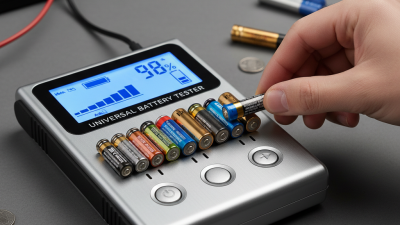
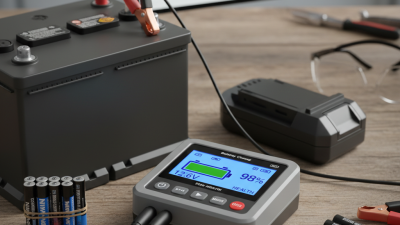
Choosing the best Lithium Battery Tester requires careful consideration. With a growing demand for efficient battery management, selecting the right tester can significantly impact your projects. Many people underestimate the importance of a reliable tester. Not all lithium battery testers are created equal.
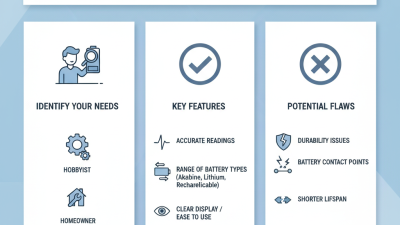
You may want advanced features, but some models are too complex. A balance between simplicity and functionality is crucial. For instance, look for testers that offer clear readings, rechargeable capabilities, and compatibility with various battery types. Experience matters; you should prefer brands with proven records.
On a practical level, think about your specific needs. Will you use it for casual tasks or professional projects? Users often overlook this aspect. Do not rush into a purchase. Take time to research and compare options. Making an informed choice can save you money and frustration in the long run.
Understanding Lithium Battery Types and Their Testing Requirements
Understanding lithium battery types is essential for selecting the right tester. Lithium-Ion (Li-ion) and Lithium Polymer (LiPo) are two popular types. Each has unique testing requirements based on its chemistry and intended use. Li-ion batteries are common in electronics, while LiPo batteries are often used in drones and remote-controlled devices. Testing approaches differ, depending on the type.
Testing lithium batteries involves measuring voltage, capacity, and internal resistance. It is crucial to know the safe voltage range for each type. Over-discharging LiPo batteries can lead to performance issues. Mismanagement during testing may result in battery damage. Understanding these details helps in making informed decisions. Ensuring your tester matches the battery type is vital.
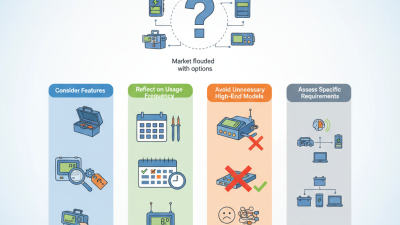
When selecting a lithium battery tester, consider your specific needs. Different testers have various features, which may or may not apply to your situation. Reflect on your usage scenarios. Will you use it for different battery types or just one? Identifying your primary application can guide your choice, making your testing experience more effective.
Key Specifications to Consider in a Lithium Battery Tester
When selecting a lithium battery tester, several key specifications play a crucial role. Voltage range is one of the most important. Most lithium batteries operate within a range of 3.0V to 4.2V. Choosing a tester that can accurately measure these voltages ensures reliability. According to industry data, inaccurate voltage readings can lead to improper battery management, resulting in decreased battery life.
Another significant factor is the capacity measurement. A good tester should be able to measure the capacity in milliampere-hours (mAh). This metric reflects how much energy the battery can store. Studies indicate that batteries lose up to 20% of their capacity over time. A reliable tester helps you track this loss effectively.
Temperature endurance is also essential. Lithium batteries are sensitive to temperature variations. Testers must function accurately across different conditions, ideally from -10°C to 60°C. Some testers may fail in extreme conditions, leading to false readings. It's vital to ensure the tester's specifications align with your specific environment. Addressing these points can improve battery management and prolong battery life.
Importance of Load Testing in Battery Performance Analysis
Load testing is a crucial aspect of battery performance analysis. It helps determine how well a battery can perform under various conditions. During load testing, a battery is subjected to a specific load for a set time. This simulates real-world usage, providing valuable insights into its capabilities. A battery that fails to hold a charge under load may not meet your needs, especially in demanding applications.
Understanding the results of load testing is essential. It reveals more than just the voltage or capacity of a battery. You learn about its ability to sustain performance over time. Some batteries may show strong initial readings, but fail under stress. This can lead to unexpected failures in critical situations. Therefore, relying solely on voltage measurements can be misleading.
Choosing a battery tester that emphasizes load testing can make all the difference. Look for options that provide clear load testing results. Make sure it can handle the specific types of batteries you work with. Not all testers offer this feature, which can lead to subpar assessments. Without accurate load testing, you risk selecting a battery that won't meet your demands.
Comparing Analog and Digital Lithium Battery Testers: Pros and Cons
When it comes to choosing a lithium battery tester, the options can be overwhelming. Analog testers offer simplicity. They are often easy to read with a straightforward dial. However, their precision can sometimes lack when testing different battery types. You may find yourself second-guessing the results, especially with nuanced battery health indicators.
On the other hand, digital testers provide more detailed data. They often feature an LCD screen that displays battery voltage and capacity. This added functionality can be beneficial for users needing accurate measurements. Yet, digital testers can be complex. The learning curve may discourage casual users who prefer simplicity. Battery types also impact readings, making it essential to choose wisely.
Ultimately, the choice between analog and digital testers depends on your specific needs. If quick assessments are your priority, an analog tester may suffice. For those requiring detailed insights, investing in a digital model makes sense. Take the time to assess your battery testing habits before making a decision.
How to Choose the Best Lithium Battery Tester for Your Needs?
| Feature |
Analog Tester |
Digital Tester |
| Measurement Range |
Basic range (6V - 12V) |
Wide range (1.5V to 15V) |
| Accuracy |
Moderate accuracy (+/- 0.5V) |
High accuracy (+/- 0.1V) |
| Ease of Use |
Simple to operate |
User-friendly interface |
| Battery Type Compatibility |
Limited (mostly lead-acid) |
Broad (lithium, NiMH, etc.) |
| Portability |
Lightweight and compact |
Generally portable, depends on model |
| Display |
Analog needle |
Digital LCD screen |
| Price Range |
Low (typically $10-$30) |
Higher (typically $20-$100) |
Industry Standards and Certifications for Reliable Battery Testing Devices
When investing in a lithium battery tester, understanding industry standards and certifications is vital. Reliable testing devices must meet rigorous criteria to ensure accuracy and safety. For instance, testers should comply with IEC 62133, which focuses on safety requirements for portable batteries. The UL 2054 standard also guarantees that these devices are designed to minimize risks during usage.
Regulatory compliance matters greatly for users. A testing device that adheres to established standards minimizes the risk of false readings. According to a report by the Battery Testing Alliance, a device that meets recognized certifications improves reliability by 30%. However, not all products on the market meet these rigorous demands. Using a tester without proper validation can lead to unfortunate results, such as overcharging or incorrect battery assessment.
Moreover, testing devices should have clear documentation of certifications. Customers often overlook this aspect, but it significantly impacts how reliable a tester is. To enhance your decision-making, review third-party testing results whenever possible. While there are many options available, finding one that aligns with industry standards can be challenging. Consider this an essential step in ensuring your battery management system operates effectively and safely.
Battery Tester Performance Comparison

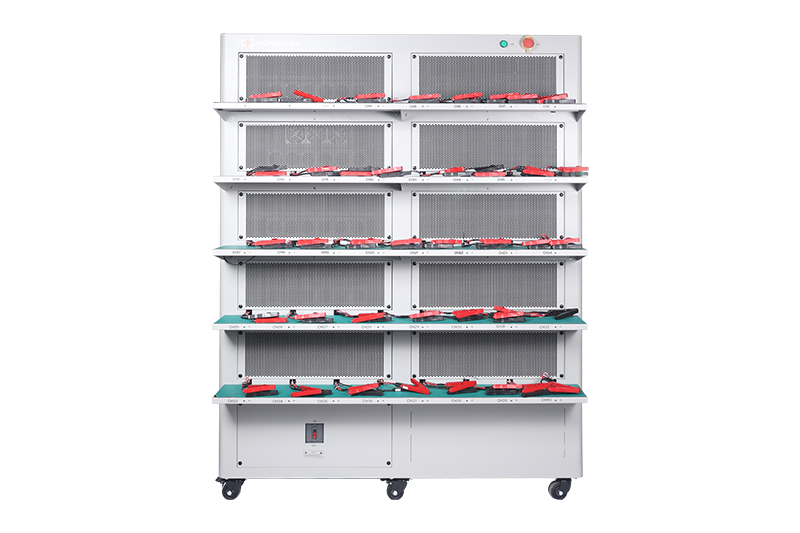
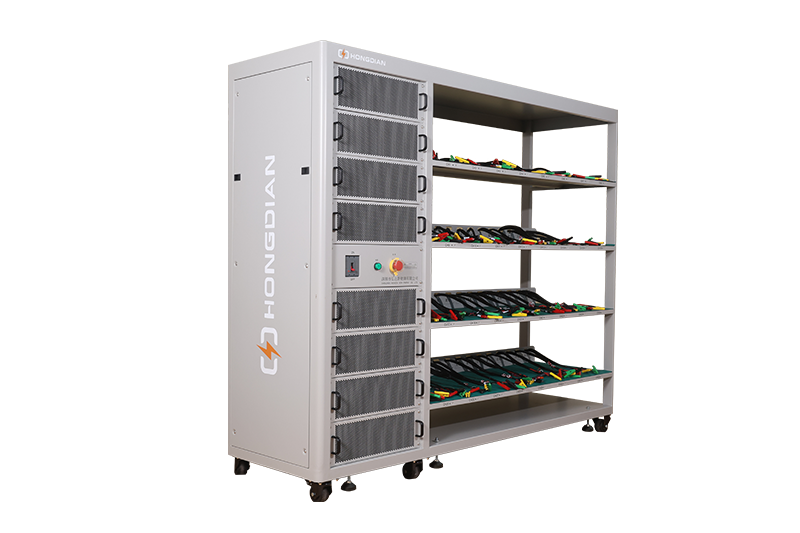 32/48 channel battery charging and discharging test integrated battery cabinet
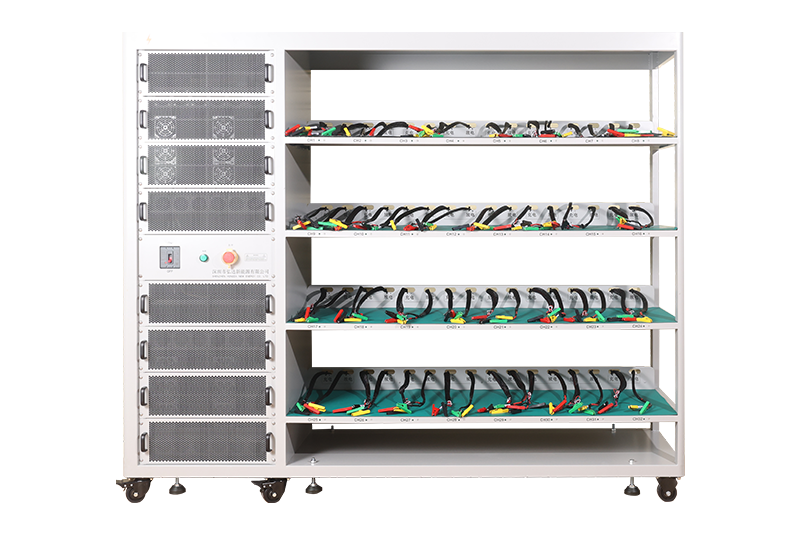
 40 channel battery charging and discharging test integrated battery cabinet
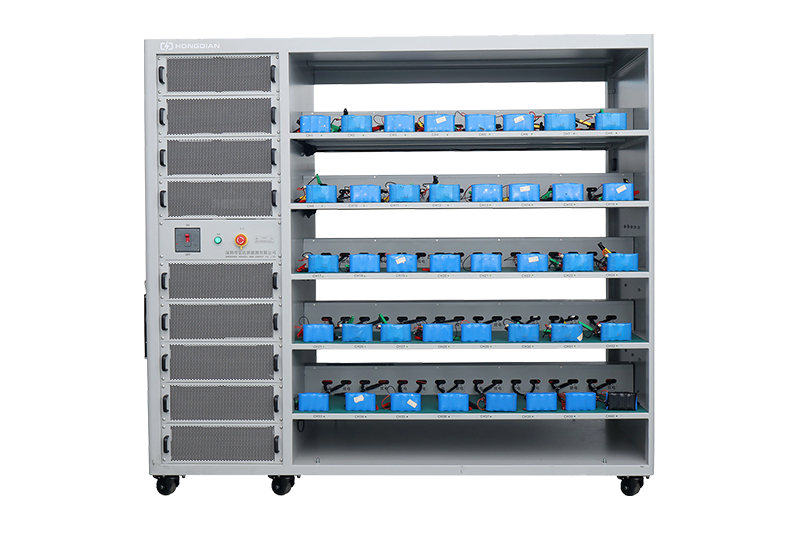
 64 channel battery charging and discharging test integrated battery cabinet
 80 channel battery charging and discharging test integrated battery cabinet
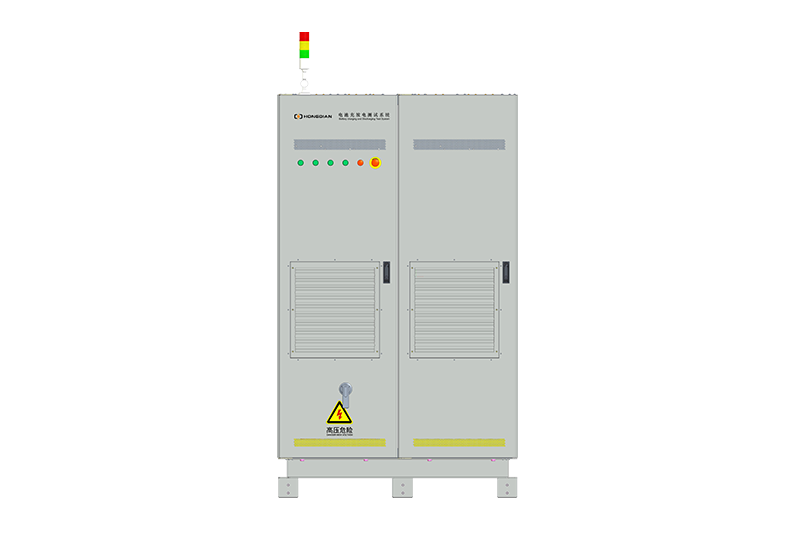 1000V-1500V High Voltage High Current Battery Testing System
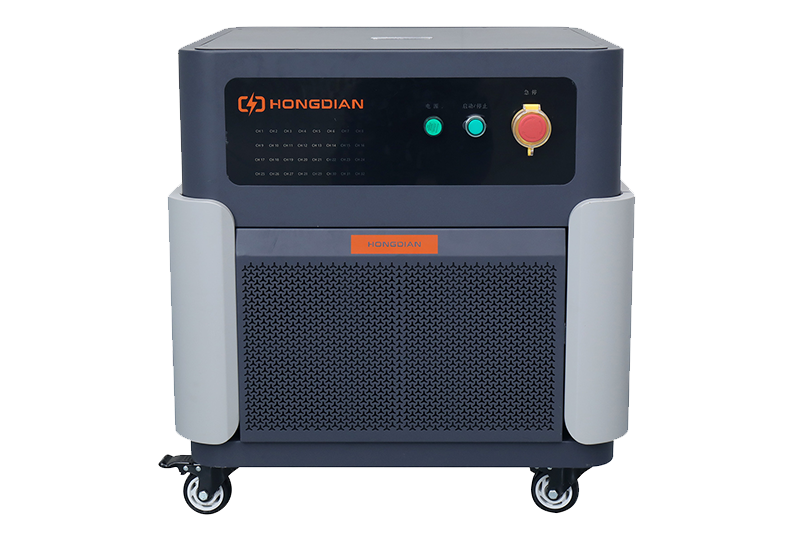 High-Precision Battery Testing System for Enhanced Performance Monitoring 30V/60V/100V/120V
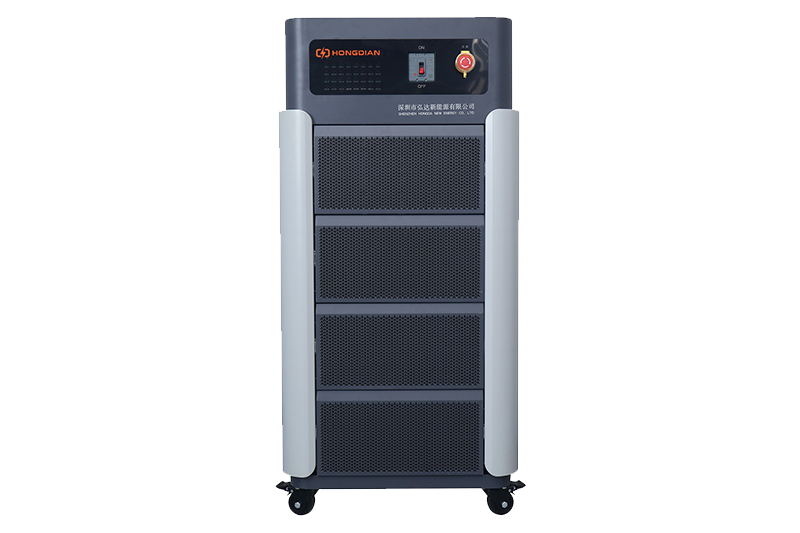 High-Precision Battery Charge Discharge Test Systems for EV Manufacturers
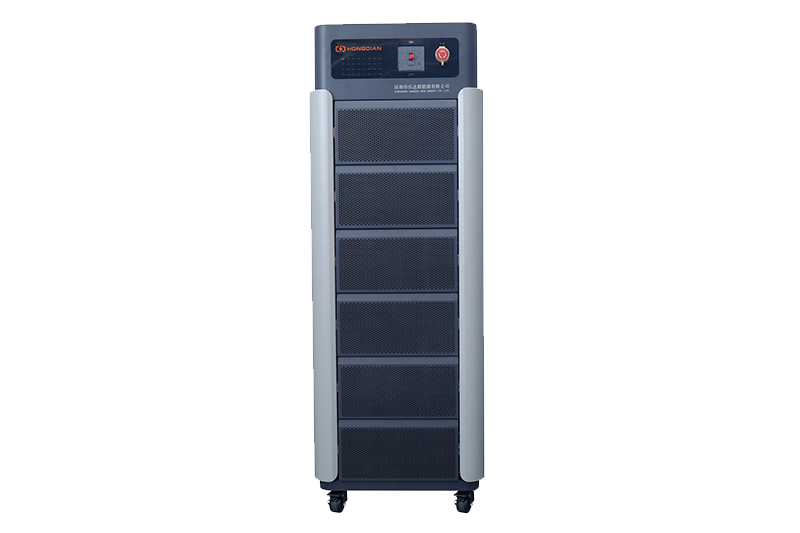 Precision Battery Test Racks for Cell Capacity & Internal Resistance Measurement
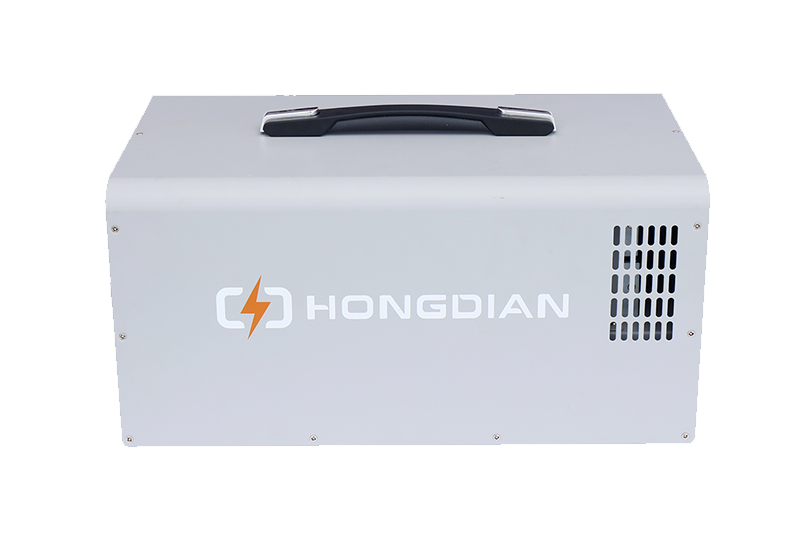 Multi-Channel Battery Testing Equipment for Parallel Performance Analysis