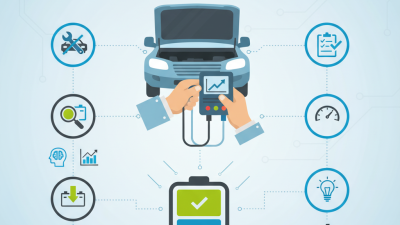
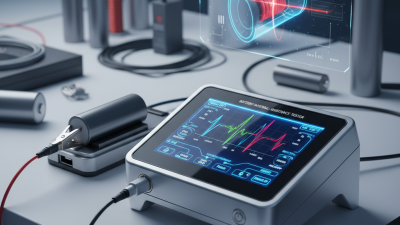
How to Choose the Best Automotive Battery Tester for Your Needs?
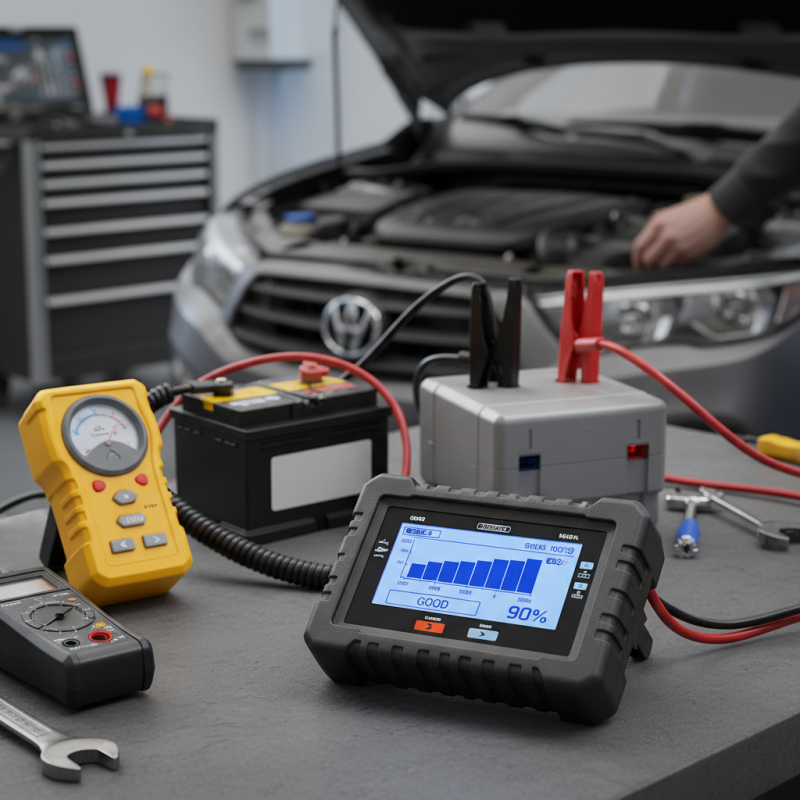
Choosing the best Automotive Battery Tester requires careful consideration. With many options available, it’s crucial to understand your specific needs. A quality tester can save you time and money by quickly diagnosing battery health.
Look for features that matter most to you. Some testers offer digital displays for easy reading. Others may have advanced features like load testing. Knowing the differences can help you make the right choice.
It's also essential to consider durability and ease of use. An Automotive Battery Tester should withstand regular use without breaking. Requesting recommendations from trusted sources can also guide your purchase. Ultimately, the right tester can enhance your vehicle maintenance routine.
Understanding Different Types of Automotive Battery Testers
When choosing an automotive battery tester, understanding the different types available is crucial. There are primarily two categories: analog and digital testers. Analog testers are simple, often less expensive, and use a needle gauge to show readings. They can be less accurate and might require a bit of expertise to interpret results correctly. On the other hand, digital testers provide clear, precise readings on a screen. They are more user-friendly and often come with additional features.
You might also encounter load testers and multimeter testers. Load testers analyze battery performance under a heavy load, mimicking real-life usage. This type helps assess how a battery would perform when starting a vehicle. In contrast, multimeters can measure voltage and check the health of other electrical systems. They’re versatile tools for those who need broader diagnostic capabilities.
It's essential to consider your own needs and skill level. A basic analog tester might suffice for occasional checks. However, if you frequently test batteries or work in a professional capacity, investing in a digital or load tester may be wise. Each option has its pros and cons. Evaluating what you truly require can save time and money in the long run.
Battery Tester Types and Their Popularity
Key Features to Look for in a Battery Tester
When selecting a battery tester, it’s crucial to focus on essential features. One key aspect is the tester's accuracy. A reliable tester measures voltage correctly to ensure you know the battery's true state. Calibration is important; an inaccurate device can lead to costly mistakes. Look for a tester that provides clear readings, preferably with an easy-to-read display.
Another critical feature is versatility. Many testers can check various battery types, including lead-acid and lithium-ion batteries. This flexibility is beneficial, especially if you work with different vehicles or devices. Additionally, consider testers with advanced functions, such as load testing. This feature simulates real-world conditions, giving you a better sense of performance.
Safety features are also important. A quality tester should have overload protection to prevent damage during use. Cables and clamps should be sturdy yet easy to manage. Remember to think about portability too. A lightweight and compact design allows you to carry the tester easily. These details might seem small, but they significantly enhance user experience. Reflecting on these aspects can lead to a more informed purchase decision, ensuring you select the best tool for your needs.
How to Assess Your Automotive Battery Testing Needs
When assessing your automotive battery testing needs, begin by identifying the battery type in your vehicle. There are several types: lead-acid, lithium-ion, and AGM. Each type has different testing requirements. According to a report by the Battery Council International, improper testing can lead to misdiagnosis and unnecessary battery replacements.
Next, consider the environment in which the tester will be used. For instance, mechanics often need rugged testers for shop conditions. In contrast, casual users may prefer portable options for home use. A recent survey indicated that over 70% of automotive professionals prioritize durability in battery testers. Knowing this can guide you in choosing the right tool.
Think about the specific features that meet your needs. Do you require a digital display for easy reading? Features such as load testing and analysis of cold-cranking amps can be valuable. A report from SAE International highlighted that comprehensive testing can significantly reduce the likelihood of starting failures. Reflect on whether you need simple or advanced capabilities, as this decision can impact your overall vehicle maintenance.
Comparing Prices and Brands of Battery Testers
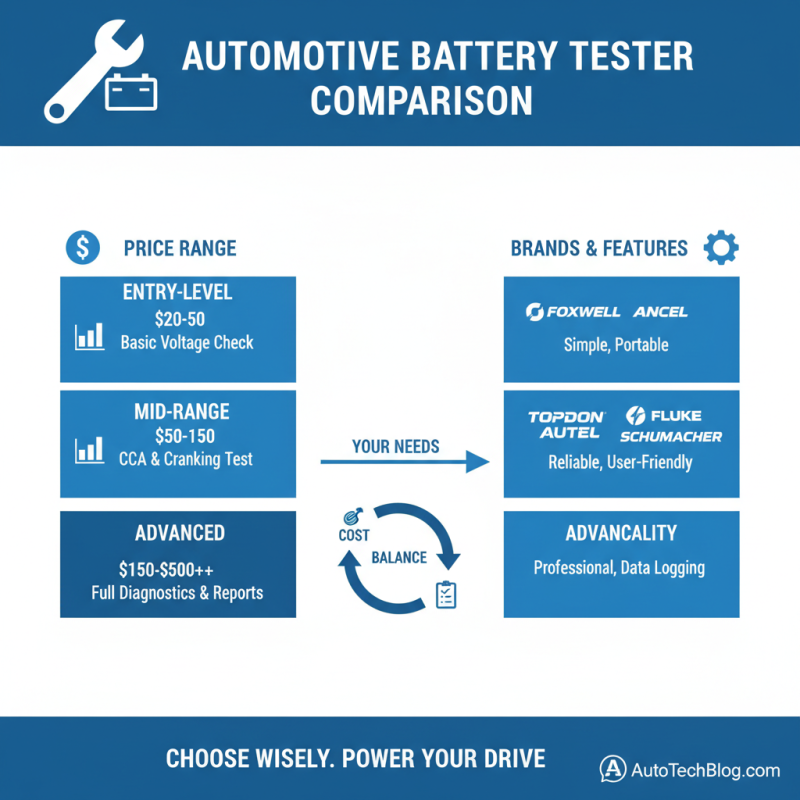
When searching for the ideal automotive battery tester, it's crucial to address price and brand comparisons. Prices can vary significantly based on the features and capabilities of each tester. For instance, entry-level models may offer basic voltage readings, while advanced versions provide detailed diagnostics. Assessing your specific needs will help you find the right balance between cost and functionality.
While some brands hold a solid reputation, it’s essential to consider lesser-known options that may surprise you. Some emerging brands offer reliable testers at competitive prices. However, consumer reviews can be inconsistent, often raising questions about accuracy and durability. A balance of professional recommendations and user feedback is vital in making an informed choice.
Many testers also vary in ease of use. Complex models may require a deep understanding of automotive systems, while user-friendly options are designed for amateurs. Think about who will use the tester. A device that's too complicated may lead to misuse and inaccurate readings. It's an essential factor to reflect on before making a purchase.
Reading Customer Reviews and Expert Recommendations
When selecting an automotive battery tester, customer reviews serve as a vital resource. Real users share their experiences. Positive feedback highlights ease of use and accurate readings. Negative reviews often reveal flaws, such as poor durability or complicated instructions. It's important to weigh these comments carefully. Look for patterns in reviews. Many satisfied users will mention specific features they appreciate.
Expert recommendations add another layer of credibility. Professionals in the automotive field often test these devices extensively. They offer insights about what to prioritize based on performance and reliability. Expert opinions usually emphasize the importance of battery capacity testing and load testing. However, not all experts agree on the necessity of every feature. Some might suggest that advanced options are not essential for average users.
Navigating customer and expert feedback requires thoughtful consideration. It’s essential to reflect on your own needs and use cases. Will you use the tester frequently or just occasionally? A high-end model may not be necessary for casual users. Balancing functionality with budget is key. The right choice should fit your specific automotive needs while being informed by the collective wisdom of others.

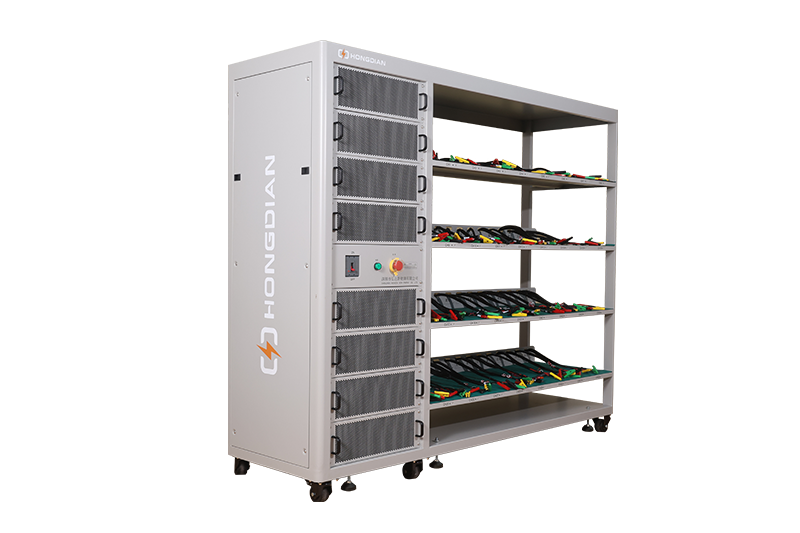 32/48 channel battery charging and discharging test integrated battery cabinet
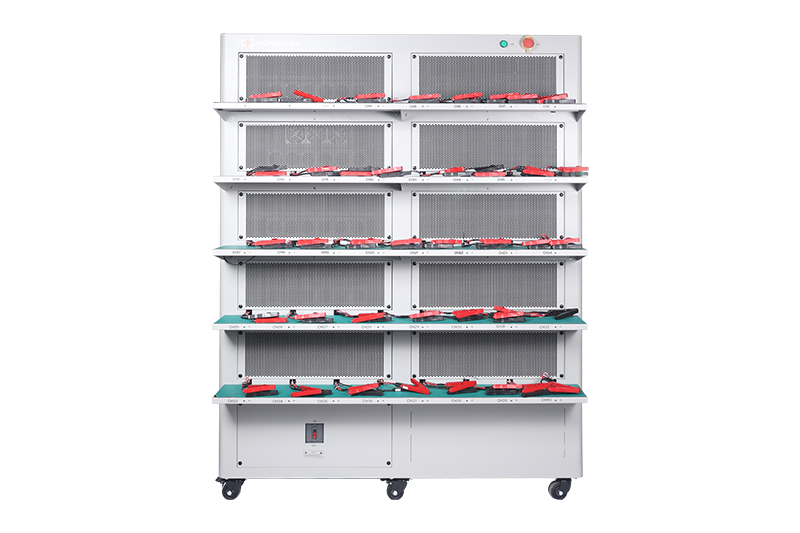 40 channel battery charging and discharging test integrated battery cabinet
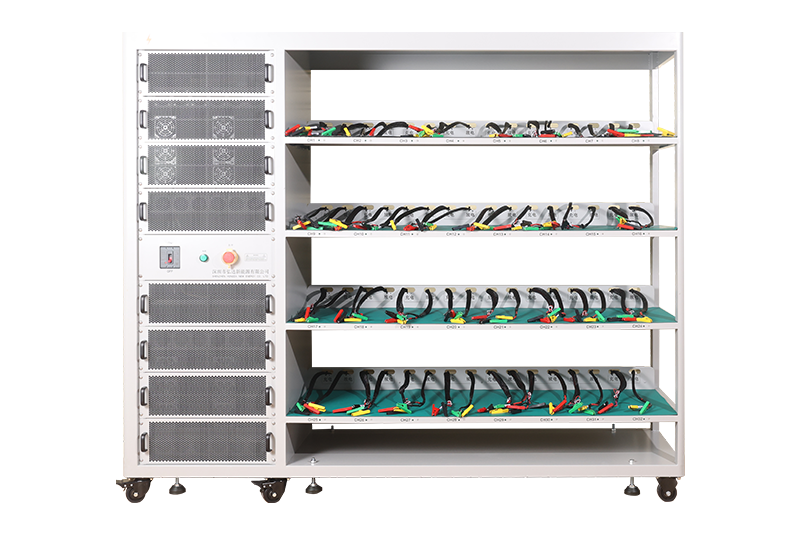 64 channel battery charging and discharging test integrated battery cabinet
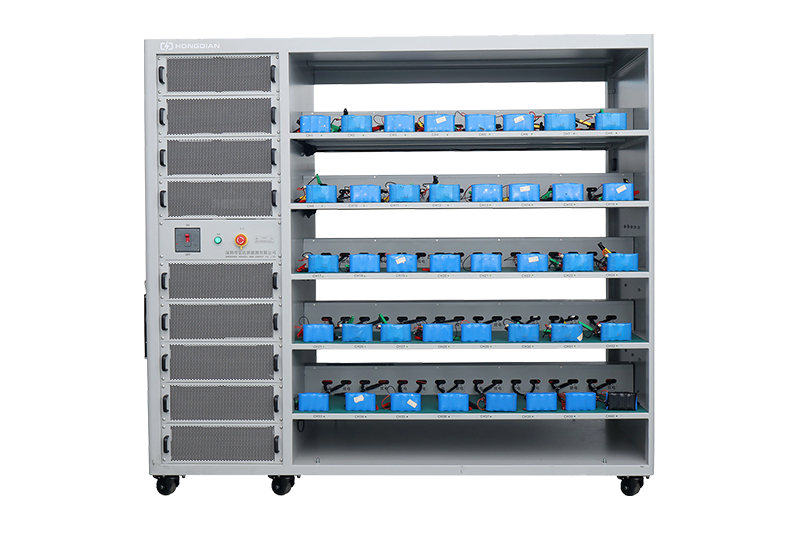 80 channel battery charging and discharging test integrated battery cabinet
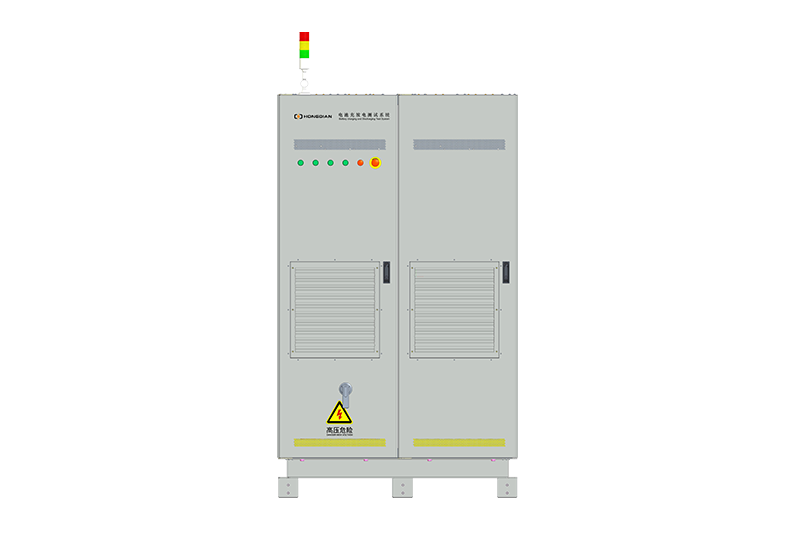 1000V-1500V High Voltage High Current Battery Testing System
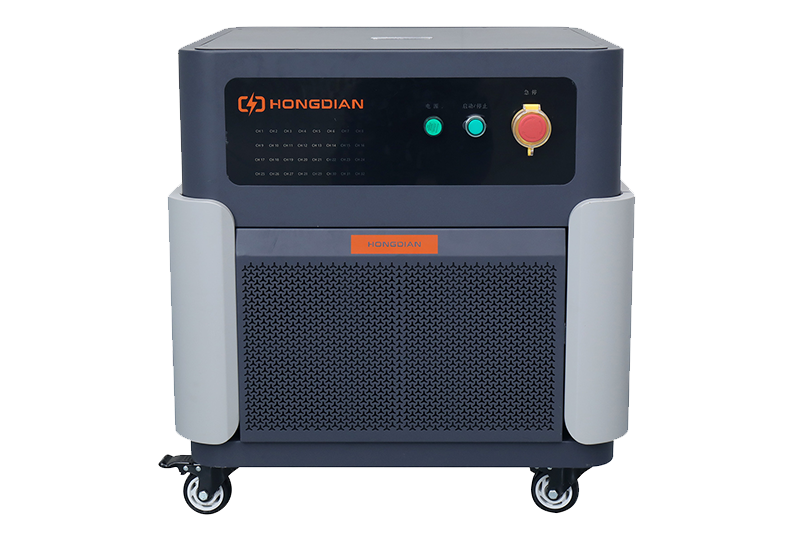 High-Precision Battery Testing System for Enhanced Performance Monitoring 30V/60V/100V/120V
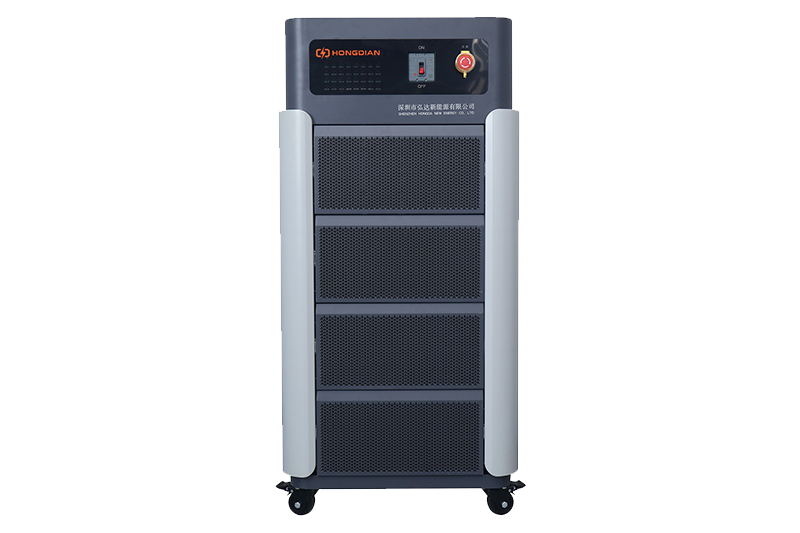 High-Precision Battery Charge Discharge Test Systems for EV Manufacturers
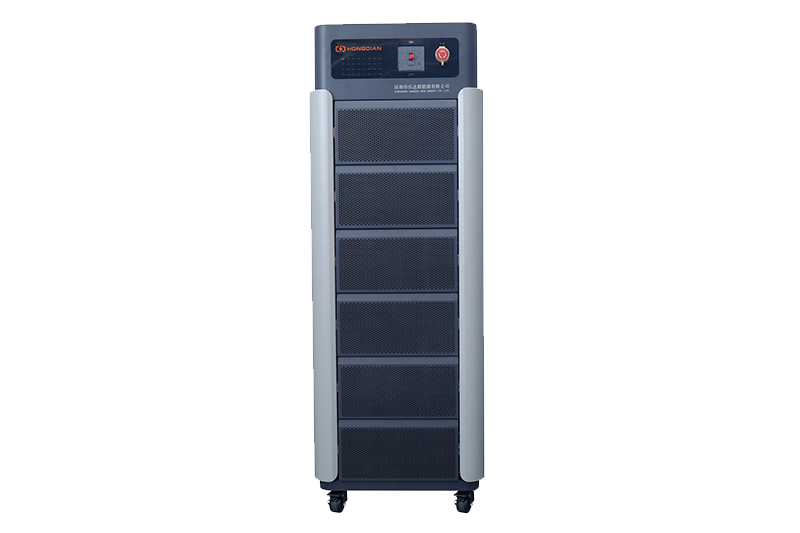 Precision Battery Test Racks for Cell Capacity & Internal Resistance Measurement
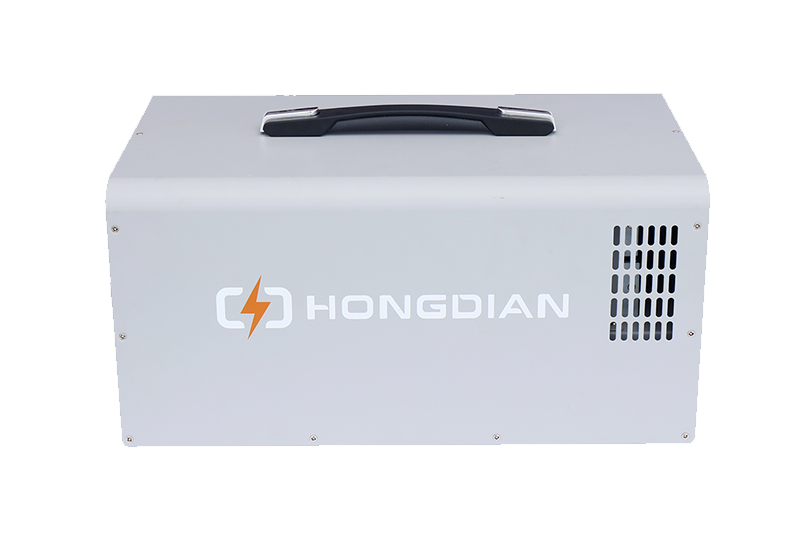 Multi-Channel Battery Testing Equipment for Parallel Performance Analysis