How to Choose the Right Battery Test Equipment for Your Needs?
Selecting the right Battery Test Equipment is crucial for any professional in the battery industry. According to a recent market analysis by ResearchAndMarkets, the battery test equipment market is projected to reach $5.7 billion by 2026. This growth signals the increasing importance of accurate testing solutions for both manufacturers and researchers.
Dr. Emily Baker, a renowned expert in battery technology, emphasizes, "Choosing the right equipment is not just a recommendation; it is essential for reliability." The need for precision and reliability in battery testing cannot be overstated. Equipment quality directly impacts testing outcomes, which can lead to significant advancements or setbacks in research and production.
However, with so many options available, making the right decision can be challenging. Each tester comes with different specifications and capabilities. Not every piece of equipment will serve the unique requirements of an operation. It's a landscape filled with complexities, reflecting the dynamic nature of battery technology itself. Careful consideration is necessary to avoid costly mistakes.

Types of Battery Test Equipment and Their Functions
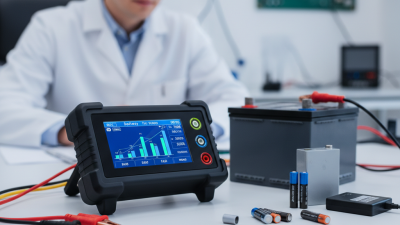
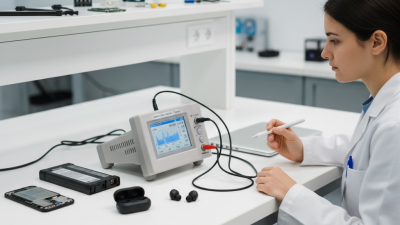
When selecting battery test equipment, it's essential to understand the types available and their functions. There are generally three main categories:
capacity testers,
internal resistance testers, and
discharge testers. Each serves a unique purpose in evaluating battery performance.
Capacity testers measure the total energy a battery can deliver before it needs recharging. This is crucial for applications where reliable performance is vital.
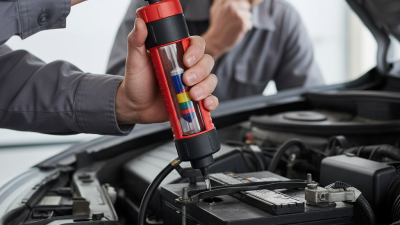
Internal resistance testers check the battery's health and can indicate aging or damage. These tools are often overlooked but are very important in determining battery life.
Discharge testers, on the other hand, evaluate how effectively a battery can discharge its power over time. This is especially useful for applications requiring sustained energy output.
However, choosing the wrong type of tester can lead to inaccurate assessments. Many users may not understand the specific needs of their applications, leading to frustration later on.
Make sure to reflect on your testing requirements to ensure you invest in the right equipment.
Key Factors to Consider When Selecting Battery Test Equipment
When selecting battery test equipment, several key factors should guide your decision. Start by identifying your testing needs. Consider the type of batteries you will test, such as lithium-ion or lead-acid. If you need to test multiple types, ensure the equipment can accommodate them all.
Accuracy is crucial. Look for devices that provide precise measurements. An inaccurate reading can lead to poor performance downstream. Invest in equipment that offers calibration options. This guarantees reliability over time. Regular calibration checks are important, yet many neglect them. Don’t fall into that trap.
Tips: Evaluate portability if you plan to test in various locations. A lightweight option can enhance flexibility. Also, don’t rush the decision-making process. Take time to compare several models, even if it feels overwhelming. Sometimes, the best choice isn't the most popular one. Consider user reviews as they can reveal issues not mentioned in specifications.
Don't forget about ease of use. Complicated interfaces can lead to mistakes. Look for intuitive designs. If you have a team, ensure everyone can operate the equipment. Training time can add unnecessary delays to your operations. Always keep the end-user in mind while selecting. It’s easy to overlook this detail.
Understanding Testing Standards and Compliance Requirements
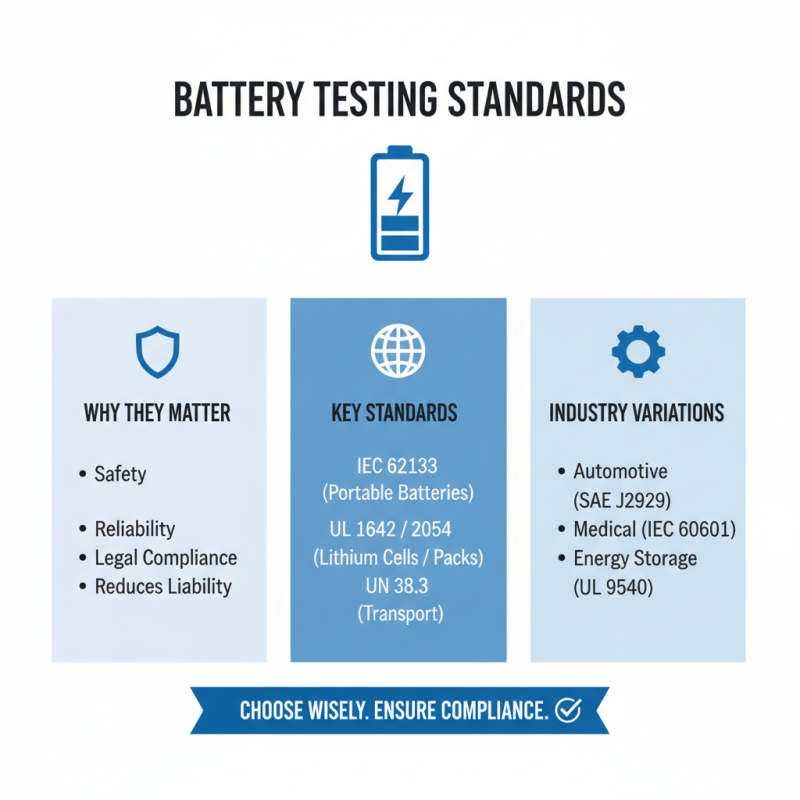
Understanding testing standards is crucial when selecting battery test equipment. Compliance requirements vary across industries. For instance, the International Electrotechnical Commission (IEC) has published several standards, such as IEC 62133. This standard focuses on the safety of portable batteries. Failure to comply can lead to significant liabilities.
Test reports indicate that 25% of battery failures occur due to inadequate testing. Furthermore, the Global Battery Alliance emphasizes the need for rigorous compliance testing. Poorly tested batteries can result in performance issues, affecting both reliability and customer trust. Manufacturers must redirect their focus to meet established standards.
As battery technology evolves, new testing standards will emerge. Staying informed is essential. Many companies find it challenging to keep up with changes. They often overlook the importance of regular compliance audits. Neglecting this can jeopardize product integrity and market position. A more holistic approach to understanding testing needs can lead to better outcomes.
Budget Considerations for Battery Testing Equipment Purchase
When considering battery testing equipment, budget is a primary concern. Quality devices often come with a hefty price tag. However, it is crucial not to compromise on essential features. Look for equipment that meets your specific needs without overspending. Set a clear budget before shopping. This prevents impulse purchases that may not serve your testing requirements.
Cost-effective options exist. Some models provide excellent functionality at lower prices. Compare different units to find the best deal. But beware—cheaper isn't always better. Sometimes, investing a bit more saves money in the long run. You might face issues with low-quality devices down the line. Think about maintenance costs, too. They can inflate your budget unexpectedly.
Consider your project’s frequency and scale. Will you need constant testing? This factor influences your choice. If you test batteries infrequently, renting might be a worthwhile option. Weigh the pros and cons of each option. Ask yourself: are you prepared to invest in quality, or are you comfortable with potential lower-performing units? Reflect on what matters most in your testing process.
Maintenance and Calibration of Battery Test Equipment
Proper maintenance and calibration of battery test equipment is crucial for accurate results. Regular checks help ensure the precision of measurements. According to a report by the International Electrotechnical Commission, inaccurate battery testing can lead to a 20% increase in operational costs. This highlights the importance of routine assessments.
Calibration involves comparing the equipment to a known standard. Companies should not overlook this step. It aids in identifying deviations that may compromise performance. Research indicates that nearly 30% of battery failures can be traced back to faulty test equipment. Regular maintenance can mitigate this risk, ensuring consistent reliability.
Inspecting connections and cleaning terminals are simple tasks that can enhance accuracy. Neglecting these can cause issues with readings. It's essential to set a schedule for maintenance. Ideally, this should be done every six months. However, factors like usage frequency may adjust this timeline. Advanced equipment can offer self-diagnostic features, but human oversight remains vital for optimal function.
Battery Test Equipment Usage Over Different Types of Batteries
This chart illustrates the number of battery tests conducted on various types of batteries. Understanding the different battery types and their testing frequencies helps in selecting the right battery test equipment for specific needs.

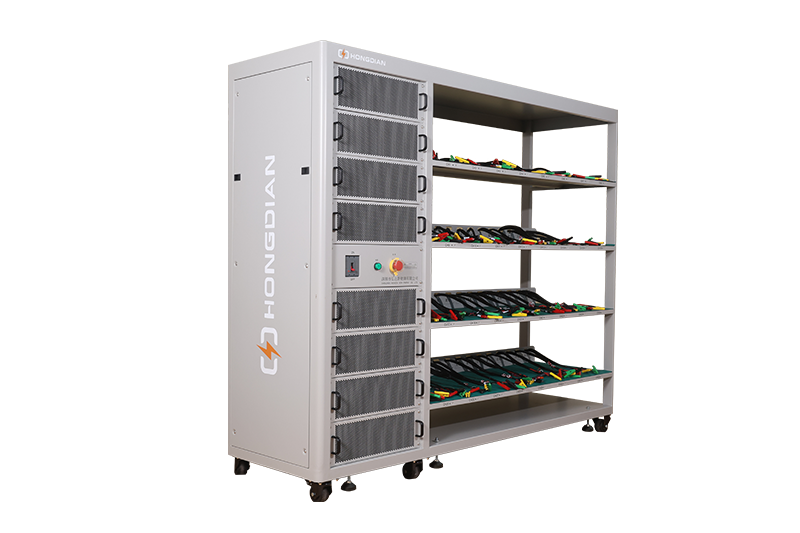 32/48 channel battery charging and discharging test integrated battery cabinet
 40 channel battery charging and discharging test integrated battery cabinet
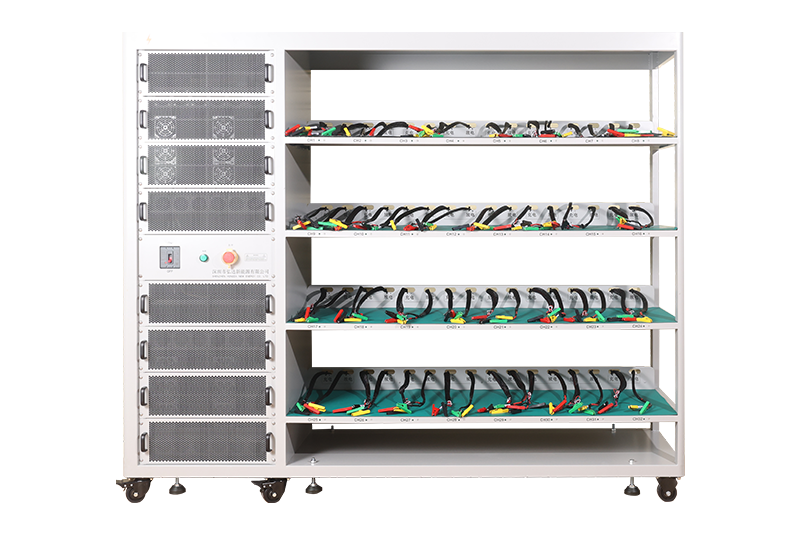 64 channel battery charging and discharging test integrated battery cabinet
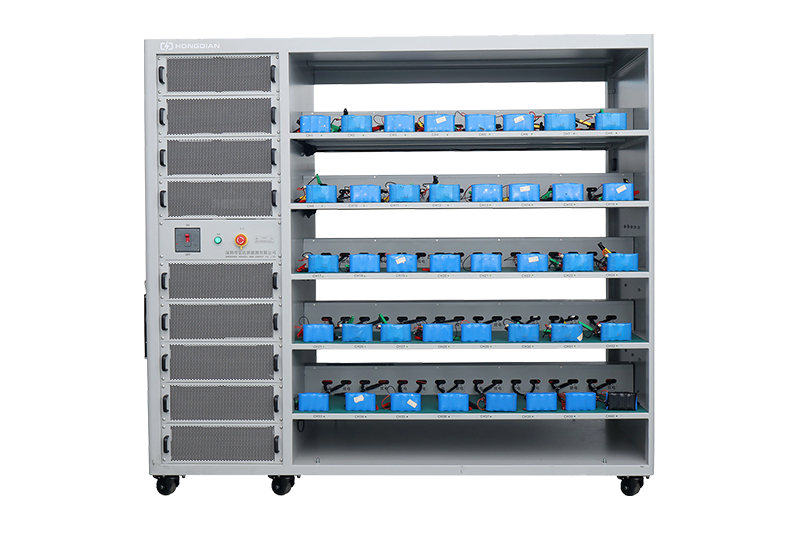 80 channel battery charging and discharging test integrated battery cabinet
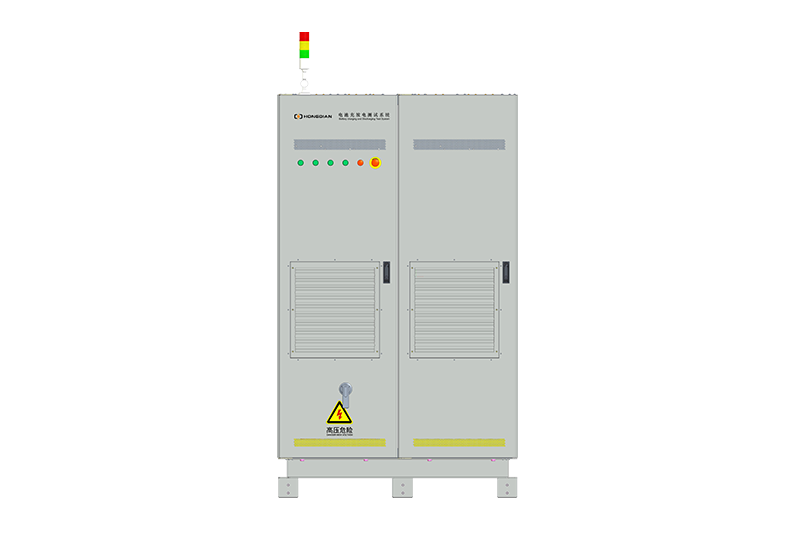 1000V-1500V High Voltage High Current Battery Testing System
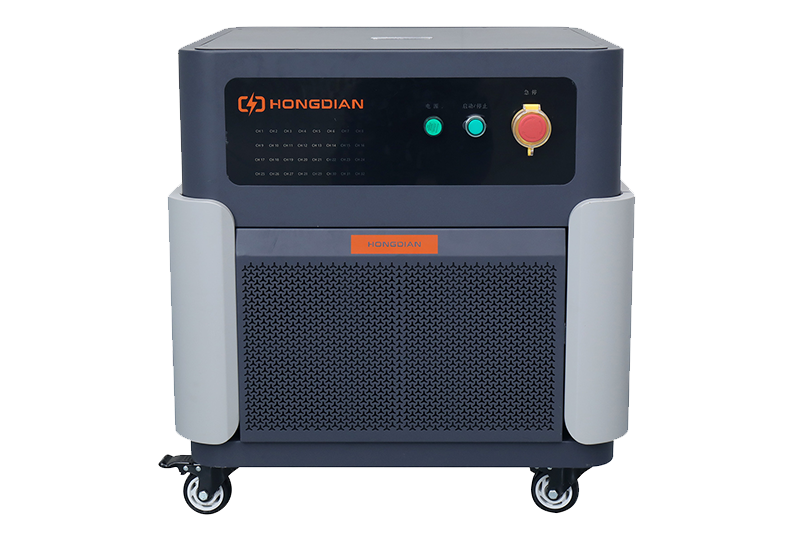 High-Precision Battery Testing System for Enhanced Performance Monitoring 30V/60V/100V/120V
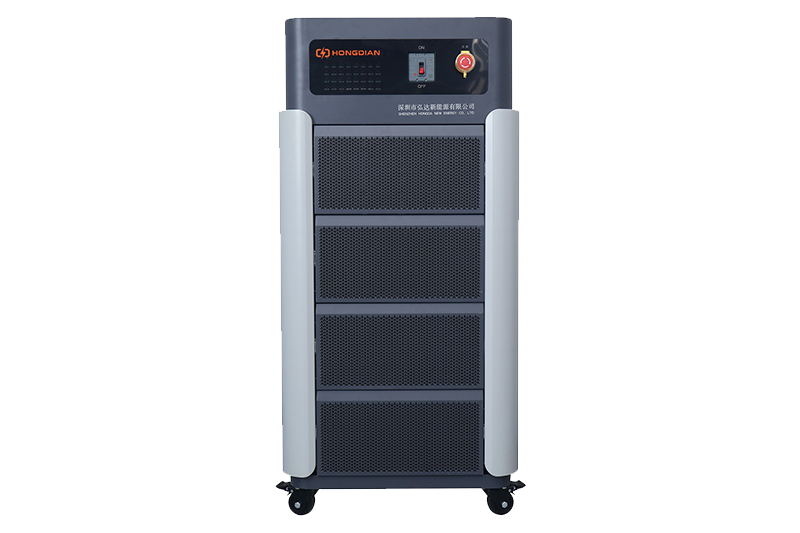 High-Precision Battery Charge Discharge Test Systems for EV Manufacturers
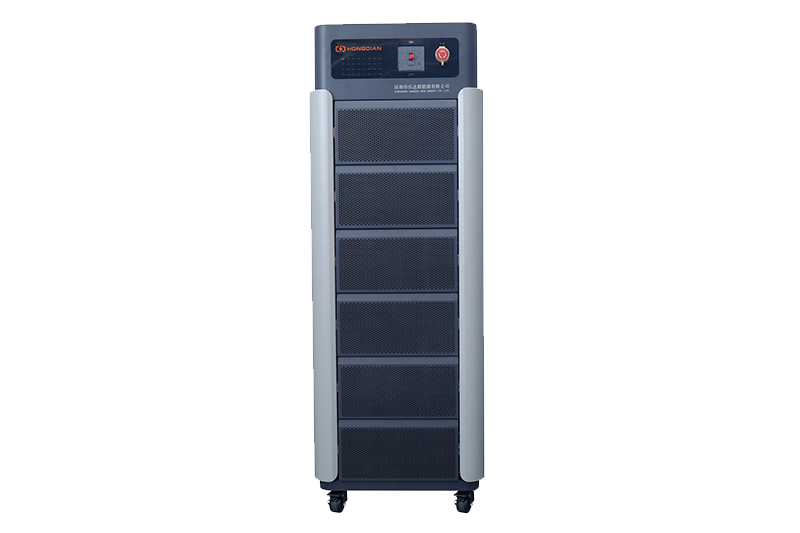 Precision Battery Test Racks for Cell Capacity & Internal Resistance Measurement
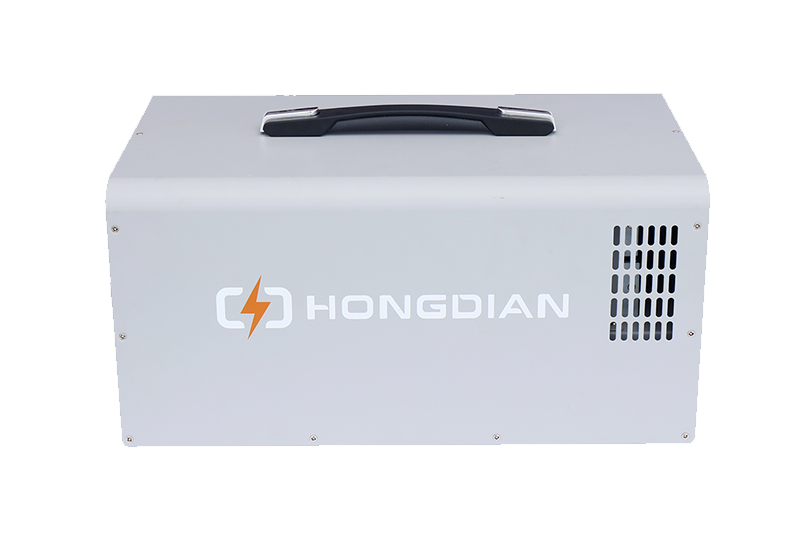 Multi-Channel Battery Testing Equipment for Parallel Performance Analysis