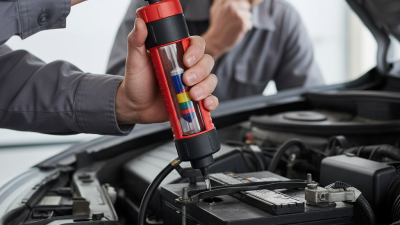
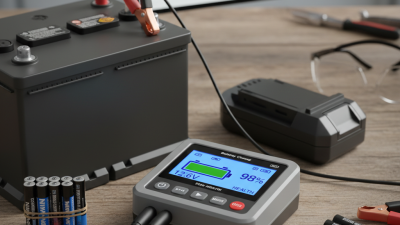
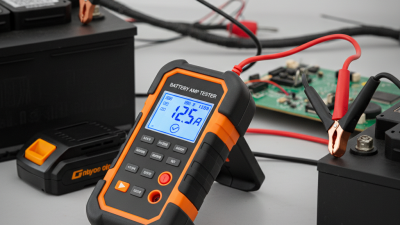
How to Choose the Best Acid Battery Tester for Your Needs?
Choosing the right Acid Battery Tester can be challenging. With various options available, it’s crucial to focus on specific needs. The ideal tester should offer accurate readings and reliable performance. Consider the type of batteries you use most frequently. Some testers excel with lead-acid batteries, while others work best with maintenance-free varieties.
When evaluating testers, think about the features that matter most. Is portability important for your tasks? A compact design could be a game changer. Also, check user reviews. They can provide insights into performance and durability. Of course, no tester is perfect. Think about your past experiences and how they influence your choice today.
Ultimately, selecting an Acid Battery Tester requires careful consideration. Weigh your needs against the options available. This will help you avoid costly mistakes. In the end, the right tester will enhance battery maintenance and ensure reliability.
Understanding Acid Battery Tester Types and Their Applications
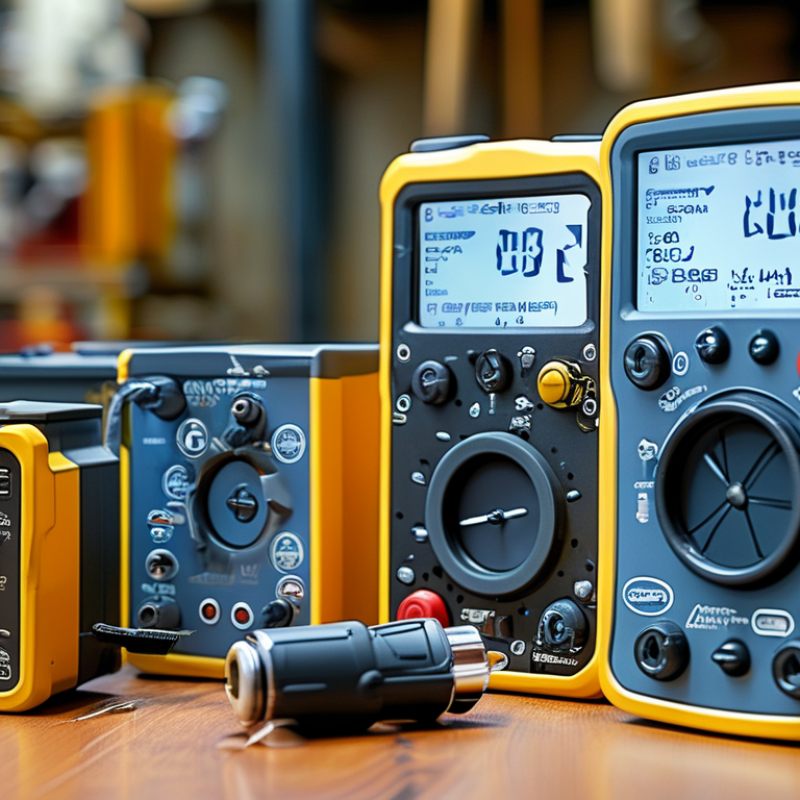
When choosing an acid battery tester, understanding the different types is crucial. Each type serves specific applications. Common options include hydrometers, digital testers, and load testers. Hydrometers measure the density of electrolyte fluid. They gauge the state of charge and health of the battery. Digital testers provide precise voltage readings. Load testers evaluate a battery’s ability to deliver under load.
According to a recent industry report, improper testing can lead to premature battery failure. Many users overlook critical maintenance steps, causing inaccurate assessments. Regular checks enhance battery life and reliability. When using a hydrometer, ensure proper calibration for accurate readings.
Tips: Always wear safety gear when working with acid batteries. Double-check your tester's compatibility before use. Understanding how to interpret results is vital. Each tester has limitations. Misinterpretation can result in poor decisions regarding battery health. Take time to familiarize yourself with your chosen tester. Doing so minimizes mistakes and helps ensure reliable performance.
How to Choose the Best Acid Battery Tester for Your Needs?
| Tester Type |
Common Applications |
Accuracy |
Price Range |
| Digital Acid Battery Tester |
Automotive batteries, Marine batteries |
± 1% |
$20 - $100 |
| Hydrometer |
Lead-acid batteries, UPS systems |
± 5% |
$5 - $30 |
| Load Tester |
Starting batteries, Deep cycle batteries |
± 2% |
$50 - $200 |
| Conductance Tester |
Testing batteries in vehicles and boats |
± 3% |
$30 - $150 |
Key Features to Consider When Selecting an Acid Battery Tester
When selecting an acid battery tester, several key features should guide your decision-making process. Accuracy is paramount. A reliable tester gives precise voltage readings and state-of-charge assessments. This feature helps you avoid misdiagnosing a battery's health. Without accurate data, you risk wasting time and resources on faulty batteries.
Another important factor is the ease of use. A user-friendly design allows quick assessments for all skill levels. Look for testers with clear displays and intuitive controls. Portable models can provide flexibility, enabling tests anywhere. However, be cautious; portability may compromise durability in some cases. Some testers might have complex functions that are unnecessary for basic testing. Avoid confusion by focusing on your specific testing needs.
Durability is often overlooked but essential. A sturdy construction ensures longevity, even during frequent use. Consider testers that can withstand some wear and tear. The battery type compatibility is crucial too; some testers work only with specific batteries. Ensure that your chosen tester meets your requirements. This will save you from future compatibility issues.
Comparing Accuracy and Reliability of Different Battery Tester Models
When selecting an acid battery tester, you must focus on accuracy and reliability. Accuracy determines how well a tester measures voltage and capacity. If the readings are incorrect, you could misjudge the battery’s condition. Look for reviewers who share specific experiences. This gives insight into how various models perform in real-world scenarios.
Reliability is another crucial factor. A reliable tester should consistently provide correct readings over time. Seek customer feedback on durability and consistent performance. Customers often share stories of testers that failed, leading to poor decisions. These insights help you identify trustworthy options. Exploring user experiences will guide you to models that stand the test of time.
Lastly, consider the ease of use. A complicated interface can lead to mistakes. Testers should offer clear displays and straightforward functions. User reviews can reveal usability strengths and weaknesses. Reflecting on these elements will lead you to a battery tester that fits your needs effectively.
Assessing Price Points and Value for Acid Battery Testers
Choosing the right acid battery tester involves evaluating price and value. Many consumers face confusion when presented with various models at different price points. A comprehensive report from the Battery Testing Institute indicates that users often overlook essential features while comparing prices. High-quality testers typically range from $50 to $200. However, lower-priced models often lack accuracy and durability. It's crucial to balance cost and effectiveness to avoid future issues.
An accurate acid battery tester should provide reliable results. The Battery Research Association found that around 30% of cheaper testers produced inconsistent readings. In contrast, mid-range options generally offer better precision. They often include features such as temperature compensation and clear display screens. Investing in a well-reviewed, moderately priced tester can save time and money. Skimping on these essentials may lead to incorrect diagnoses and wasted resources.
When assessing value, consider lifetime costs. A cheaper tester may require replacement sooner than expected. Reflecting on user experiences shared on forums can guide better purchasing decisions. Many users express regret over low-quality buys that led to inaccurate assessments. Seeking expert advice can also enhance your purchasing process. Prioritizing reliability over price ensures that your tester meets your needs effectively.
Tips for Maintaining and Calibrating Your Acid Battery Tester
Maintaining your acid battery tester is crucial for accurate performance. Regular calibration ensures your readings are precise. Over time, components can wear out or drift. It’s essential to check your tester’s accuracy periodically.
One effective tip is to use a calibration standard. This could be a known battery voltage. Comparing your tester against this standard helps identify any discrepancies. If you discover an issue, recalibration is necessary to restore accuracy. Don’t wait until your tester fails; proactive checks are better.
Another aspect to consider is cleaning. Dust and corrosion can accumulate on terminals. This build-up influences readings. Using a soft, dry cloth to clean the tester regularly can help maintain its reliability. Also, consider storing it in a dry place away from extremes in temperature. Take time to inspect your tester’s condition. Recognizing flaws early can prevent larger problems later on.

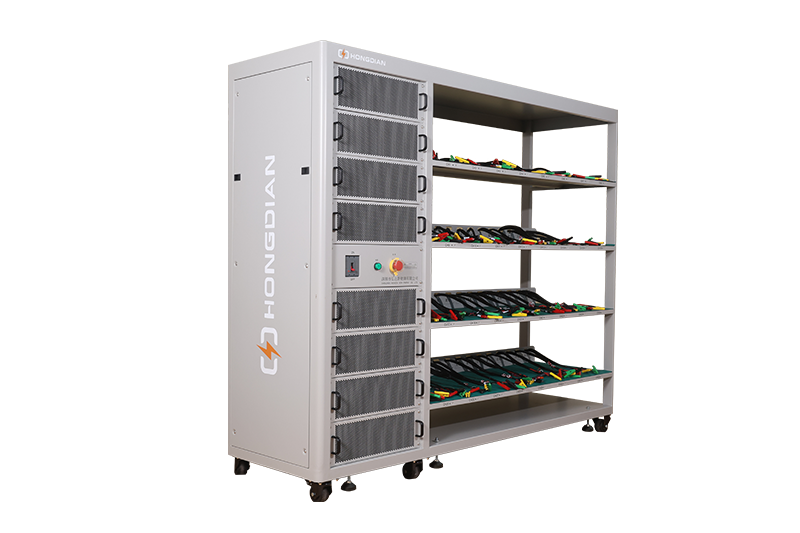 32/48 channel battery charging and discharging test integrated battery cabinet
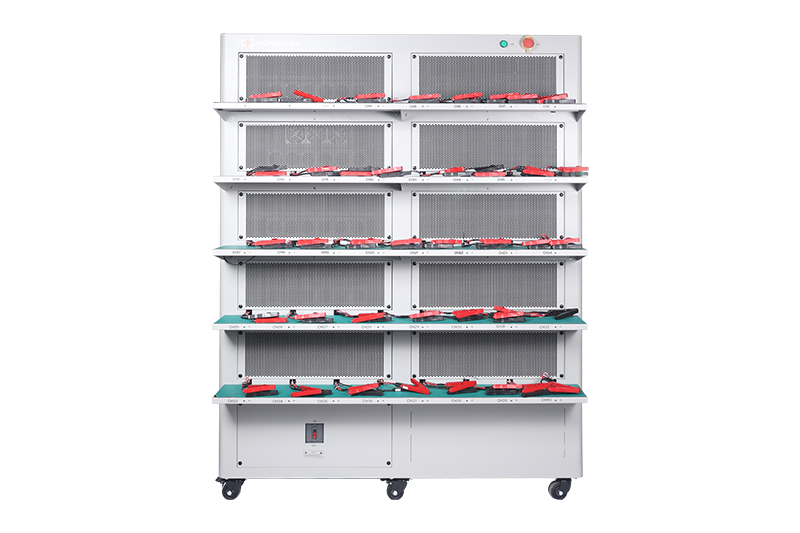 40 channel battery charging and discharging test integrated battery cabinet
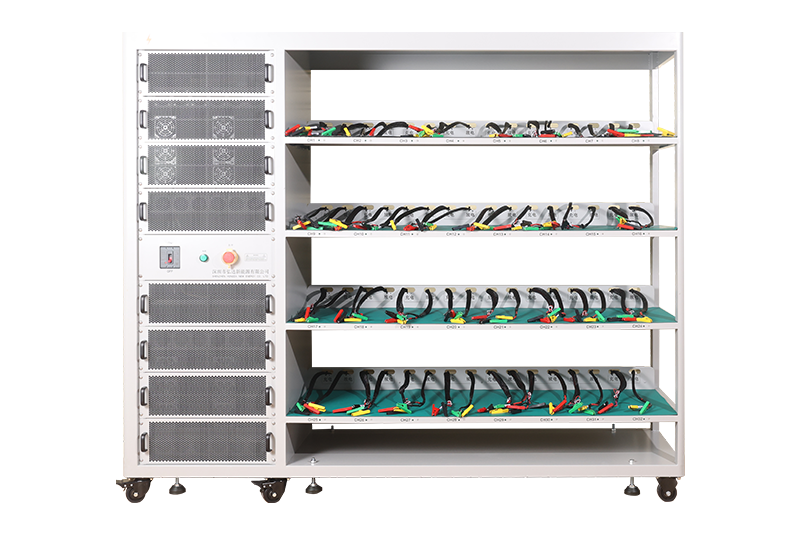 64 channel battery charging and discharging test integrated battery cabinet
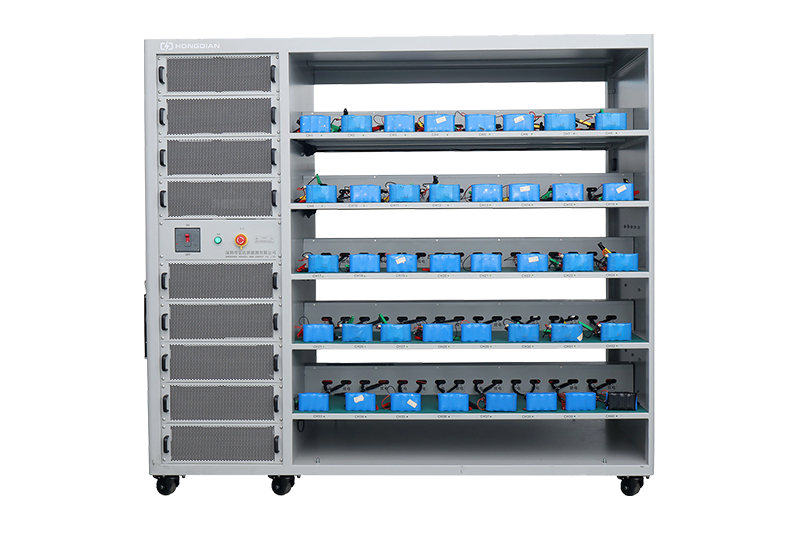 80 channel battery charging and discharging test integrated battery cabinet
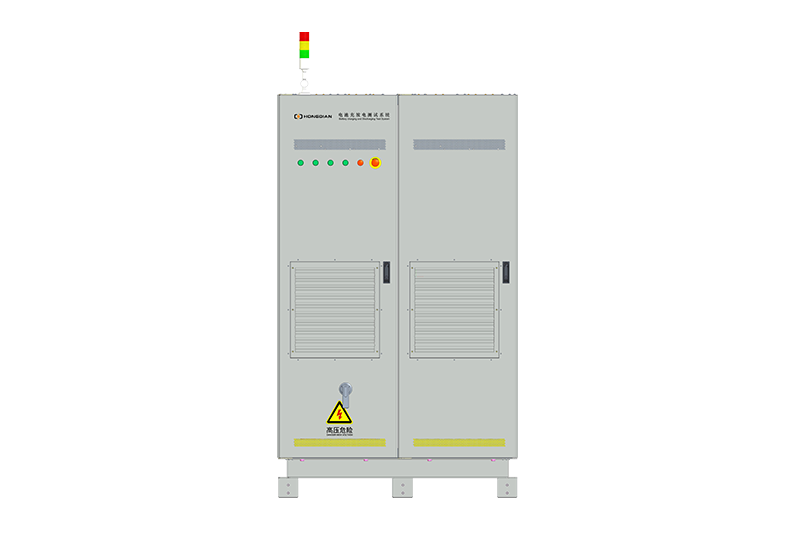 1000V-1500V High Voltage High Current Battery Testing System
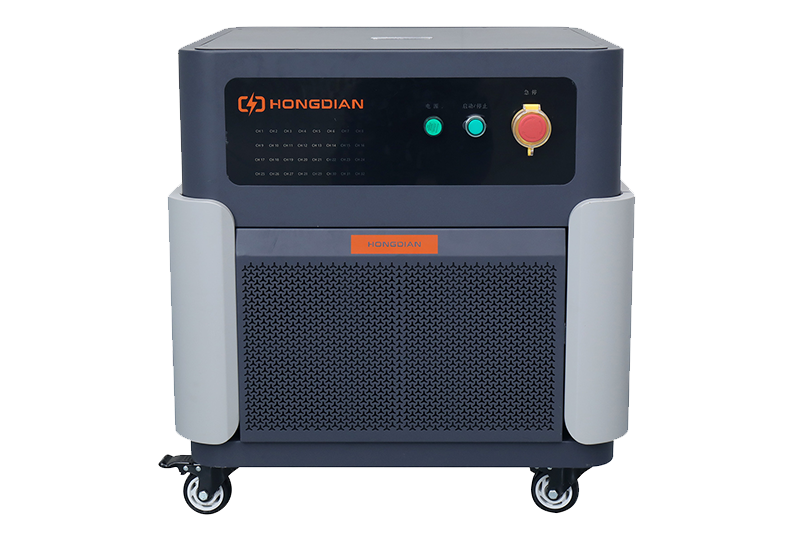 High-Precision Battery Testing System for Enhanced Performance Monitoring 30V/60V/100V/120V
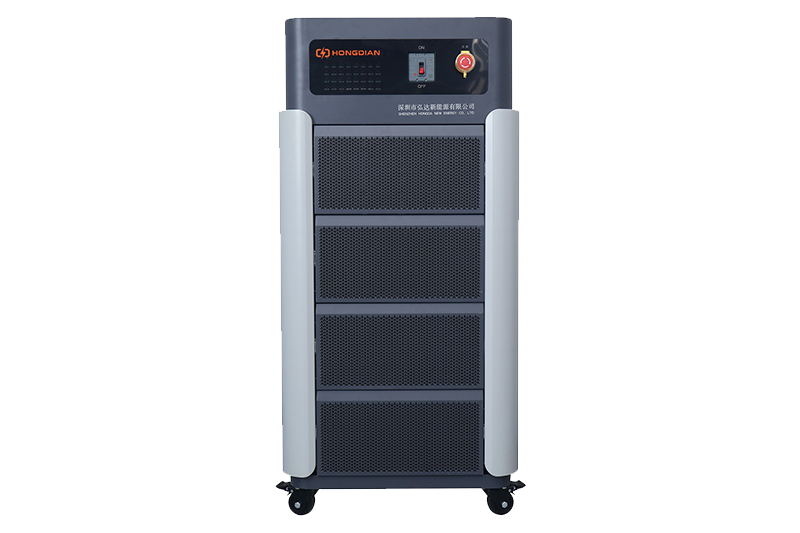 High-Precision Battery Charge Discharge Test Systems for EV Manufacturers
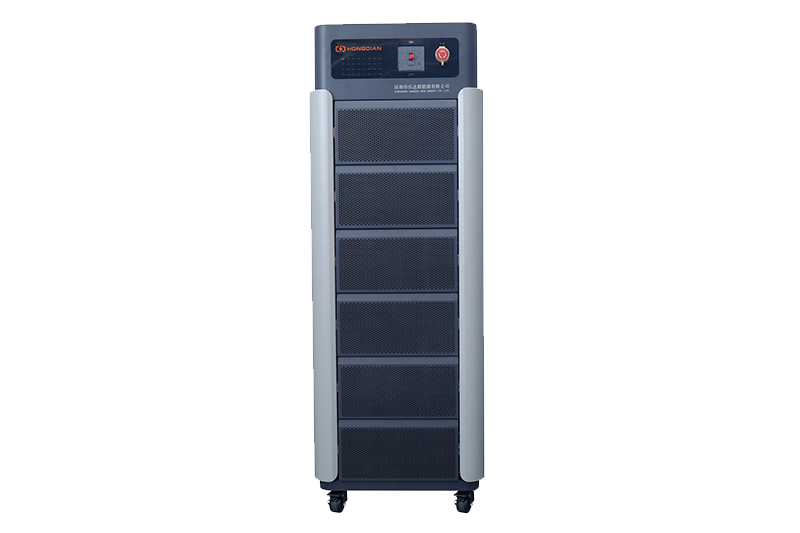 Precision Battery Test Racks for Cell Capacity & Internal Resistance Measurement
 Multi-Channel Battery Testing Equipment for Parallel Performance Analysis