How to Choose the Best Battery Analyzer Tester for Your Needs?
In today’s technology-driven world, choosing the right Battery Analyzer Tester is crucial for maximizing battery performance and lifespan. According to a report by MarketsandMarkets, the global battery analyzer market is expected to grow significantly, driven by advancements in battery technology. Leading industry expert Dr. Emily Thompson states, "Selecting a suitable battery analyzer is essential for accurate performance assessment and maintenance." Her insight underscores the importance of understanding your specific needs before making a choice.
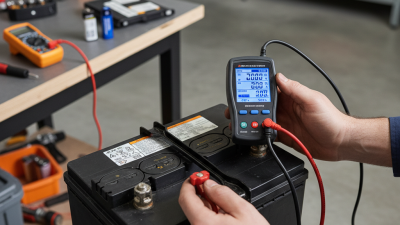
Battery analyzers come in various types, each with unique features tailored for different applications. For instance, some testers primarily focus on capacity evaluation, while others assess the internal resistance. These distinctions can lead to considerable variations in testing accuracy. Engaging with the right tools can enhance troubleshooting and prolong battery life. However, the task of choosing the best one can be overwhelming.
Many users settle for generic testers, often leading to suboptimal results. It’s essential to reflect on your requirements. Are you testing for automotive, industrial, or consumer batteries? The wrong choice can lead to inaccurate readings and costly mistakes. Understanding your needs and available options is fundamental for effective battery management.
Understanding Battery Types and Their Unique Specifications
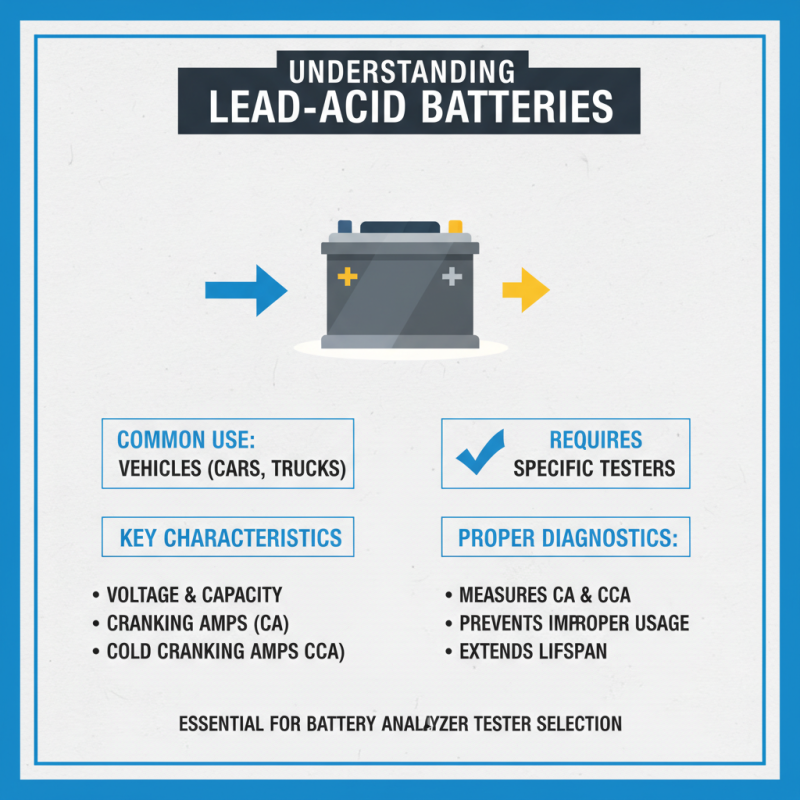
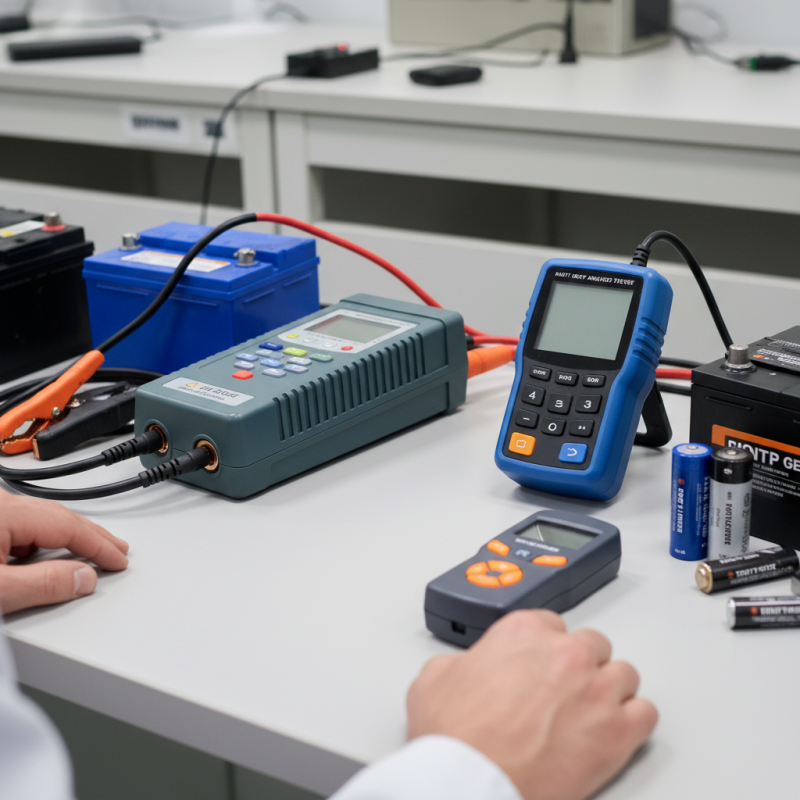
When selecting a battery analyzer tester, understanding battery types is essential. Lead-acid batteries, commonly used in vehicles, require specific diagnostics. Their voltage and capacity need careful assessment. You can find testers designed for these batteries that measure both cranking amps and cold cranking amps effectively. Knowing their unique specifications helps avoid improper usage and extends their lifespan.
Li-ion batteries, found in many rechargeable devices, present a different challenge. They have distinct charging cycles and voltage ranges. A good battery analyzer for Li-ion leads should provide detailed readings on capacity, internal resistance, and charge cycles. However, some testers may not offer precise data on these aspects, which may lead to confusion. Selecting one with comprehensive features tailored for Li-ion batteries can save you from potential mishaps.
Lastly, consider how you intend to use the analyzer. If you're a hobbyist, a simpler model may suffice. However, professionals in electronic repairs or automotive services would benefit from advanced features. The market can be overwhelming, and some models may lack accuracy. Testing multiple devices might be necessary to find the one that fits your needs the best.
Importance of Battery Capacity and Discharge Rates in Analyzers
When selecting a battery analyzer tester, understanding battery capacity and discharge rates is crucial. Battery capacity defines how much energy a battery can store. It is usually measured in amp-hours (Ah). A higher capacity indicates a longer run time, which is essential for applications needing extended power. Conversely, a lower capacity may lead to frequent recharging, affecting productivity.
Discharge rates describe how quickly a battery can deliver its power. This is often indicated in C-rates. A battery with a high discharge rate can provide substantial energy swiftly, suitable for devices like power tools or racing drones. In contrast, batteries with lower discharge rates are often used in applications where consistent, slow power is adequate, such as flashlights or remote controls.
Choosing the right analyzer requires weighing these factors thoughtfully. A mismatch can lead to underperformance or even damage. For instance, using a high-capacity battery in a device with low discharge requirements can lead to inefficient energy use. Understanding the relationship between capacity and discharge rates helps in making educated decisions. This process can be complex and requires reflection on specific needs. A careful approach is essential to ensure the right balance for optimal performance.
How to Choose the Best Battery Analyzer Tester for Your Needs? - Importance of Battery Capacity and Discharge Rates in Analyzers
| Battery Type |
Capacity (Ah) |
Discharge Rate (C) |
Suitable Analyzer |
Key Features |
| Lead Acid |
50 |
1.0 |
Basic Analyzer |
Voltage Testing |
| Lithium-ion |
100 |
2.0 |
Advanced Analyzer |
Data Logging, Fast Charge |
| Nickel Metal Hydride |
70 |
1.5 |
Mid-range Analyzer |
Cycle Testing, Thermal Protection |
| Alkaline |
N/A |
0.5 |
Basic Analyzer |
Load Testing |
| Lead Acid Gel |
120 |
1.0 |
Advanced Analyzer |
Deep Cycle Testing |
Key Features to Look for in a Battery Analyzer Tester
When choosing a battery analyzer tester, certain key features are essential. Firstly, consider the analysis capabilities. A good tester should provide detailed reports on voltage, capacity, and internal resistance. A study by the Battery University found that accurate internal resistance measurements can predict battery age and performance. This feature is crucial for various applications, from electric vehicles to renewable energy storage.
Another significant factor to assess is ease of use. Testers should have a user-friendly interface and clear display options. Many users find that a graphical LCD screen enhances readability significantly. Additionally, compatibility with multiple battery types—such as lead-acid, lithium-ion, and nickel-cadmium—is important. According to recent data, lithium-ion batteries dominate the market, accounting for over 40% of battery sales in 2023. Thus, your analyzer must effectively handle these popular types.
Portability is also a vital consideration. For professionals working in various locations, lightweight testers that easily fit in a toolkit are advantageous. A portable tester can be invaluable when dealing with unexpected battery issues in the field. A National Renewable Energy Laboratory report highlighted that practical testing solutions could boost battery maintenance efficiency by 30%. Ensure that the analyzer you choose balances functionality and convenience for your specific needs.
Battery Analyzer Tester Features Comparison
Evaluating Accuracy and Reliability: Industry Standards and Metrics
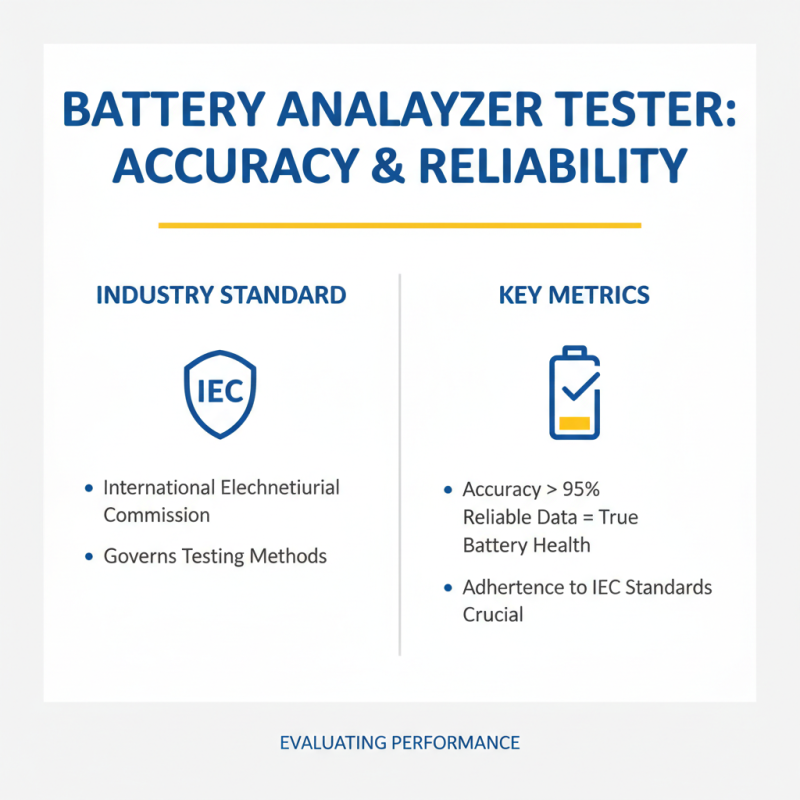
When selecting a battery analyzer tester, accuracy and reliability should be your primary concerns. A notable benchmark is the International Electrotechnical Commission (IEC) standard, which governs the testing methods for battery performance. Devices adhering to these standards typically offer a high level of accuracy, often exceeding 95%. This ensures that the data you receive reflects true battery health and performance.
Another vital metric to consider is the internal resistance measurement. Research indicates that a tester's ability to measure internal resistance with less than 1% error significantly impacts diagnostic reliability. For instance, testers that provide real-time data on battery temperature and charge cycles can improve user interpretations. Such metrics can make a difference in identifying battery issues early, potentially extending battery life.
Moreover, while many analyzers boast advanced features, not all provide consistent performance across different battery types. Users report inconsistencies with some models when testing lithium-ion versus lead-acid batteries. This variation highlights the importance of understanding your specific needs; a one-size-fits-all approach may not yield accurate results. Testing in controlled conditions can also expose limitations in the analyzer's recommendations, prompting users to reevaluate their choices.
Comparing Price Points: Budget Options vs. High-End Analyzers
Choosing the right battery analyzer is essential for any technician or enthusiast. When comparing price points, budget options typically range from $30 to $100. These analyzers often provide basic functionality, suitable for casual users. They can measure voltage, amp-hour capacity, and some state of charge (SOC) readings. However, their accuracy and features may be limited.
On the other end, high-end analyzers cost anywhere from $150 to over $500. These devices are equipped with advanced features, including connectivity options, real-time monitoring, and detailed reports. According to industry data, over 40% of professionals prefer high-end models for their precision and reliability. While budget models serve their purpose, many fail to provide consistent results in varying conditions. This inconsistency can lead to misjudgments about battery health, ultimately costing more in the long run.
Investing in a quality tester involves considering what you truly need. If professional use is your goal, cutting corners on a budget model may require re-evaluation. Balancing your budget with the necessary features requires reflection. High-end testers offer long-lasting benefits, while budget options may seem tempting, but they often lack essential functionalities.

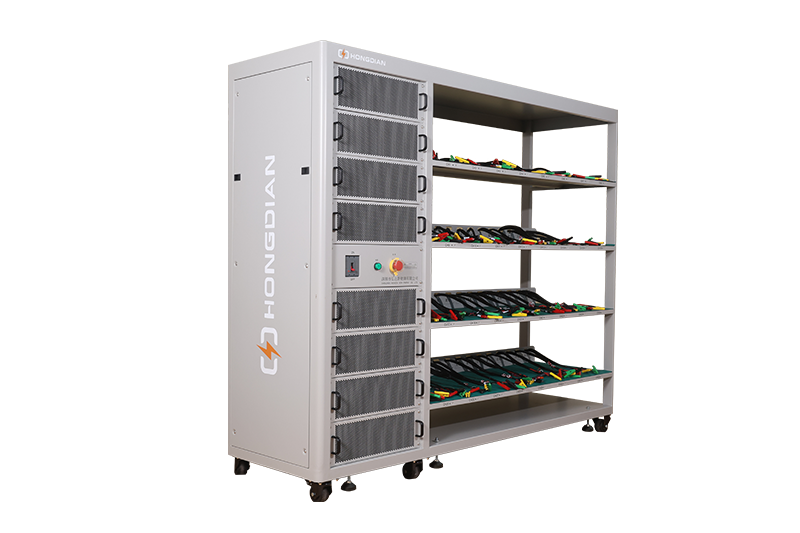 32/48 channel battery charging and discharging test integrated battery cabinet
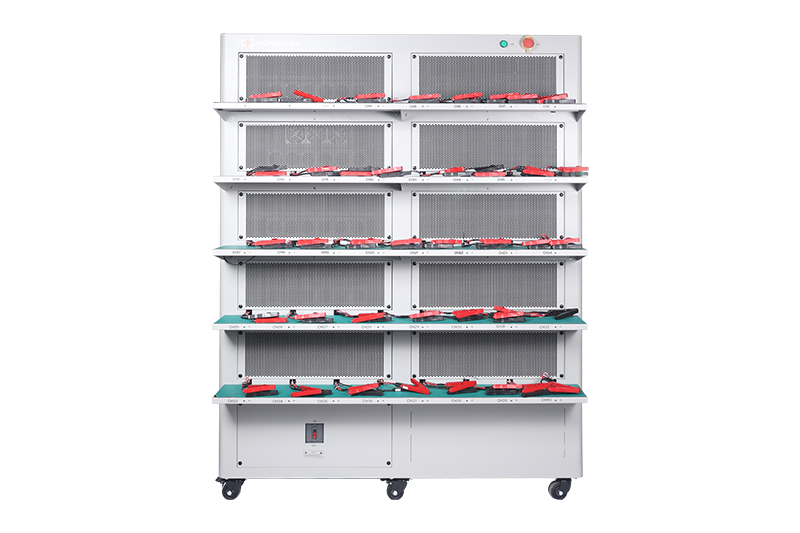 40 channel battery charging and discharging test integrated battery cabinet
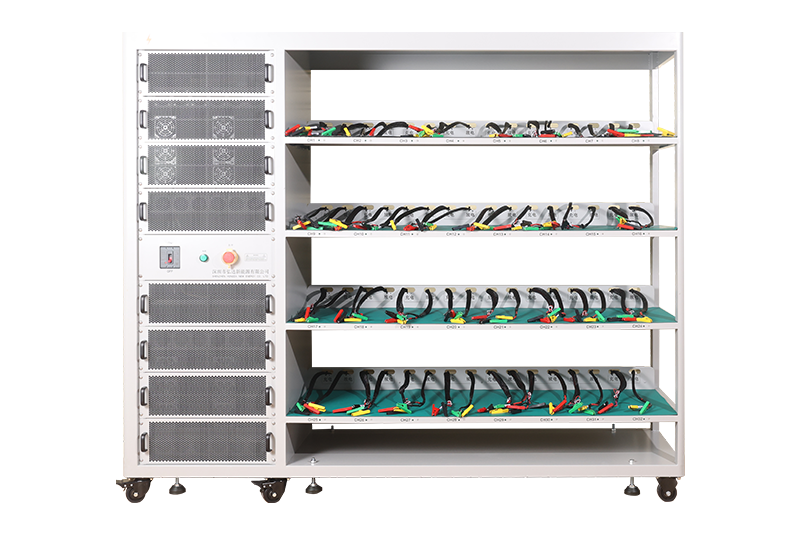 64 channel battery charging and discharging test integrated battery cabinet
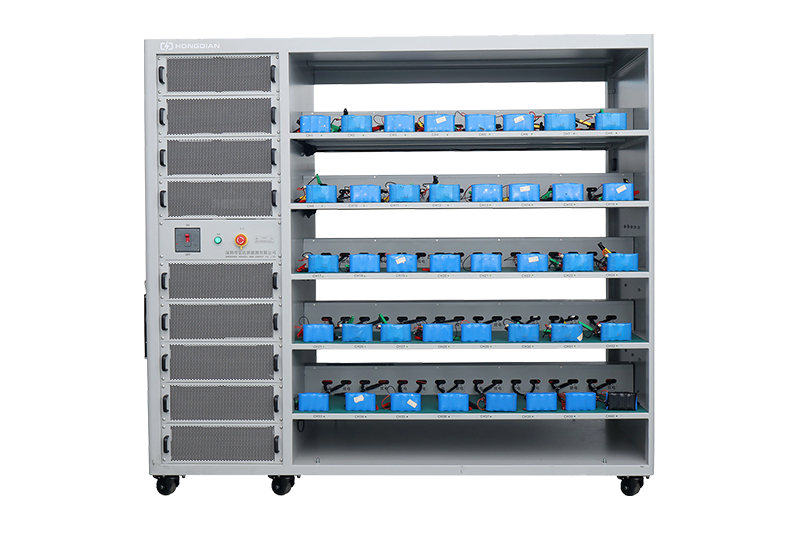 80 channel battery charging and discharging test integrated battery cabinet
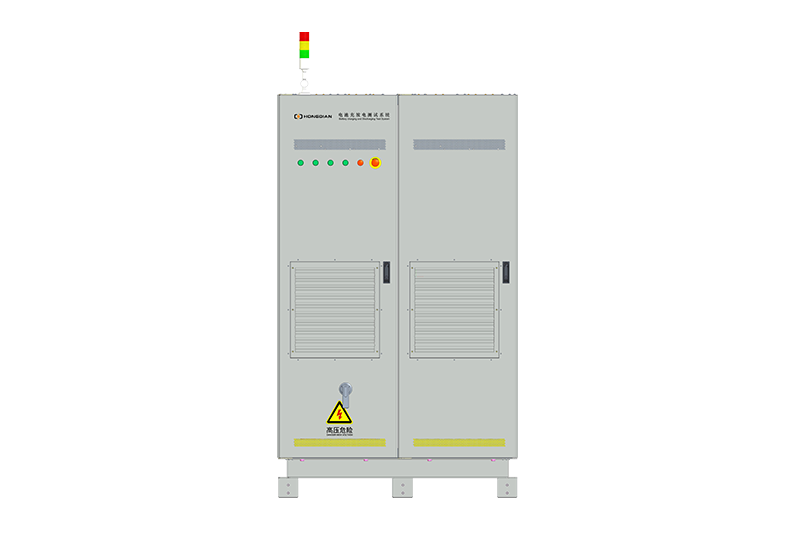 1000V-1500V High Voltage High Current Battery Testing System
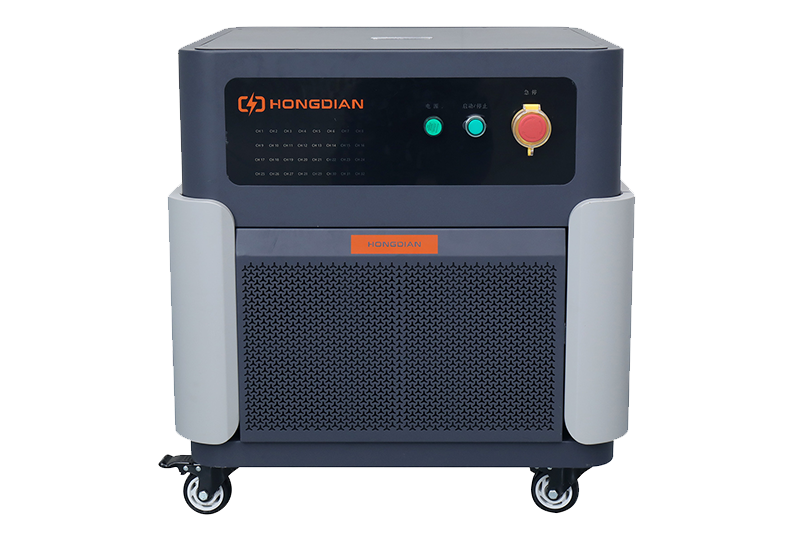 High-Precision Battery Testing System for Enhanced Performance Monitoring 30V/60V/100V/120V
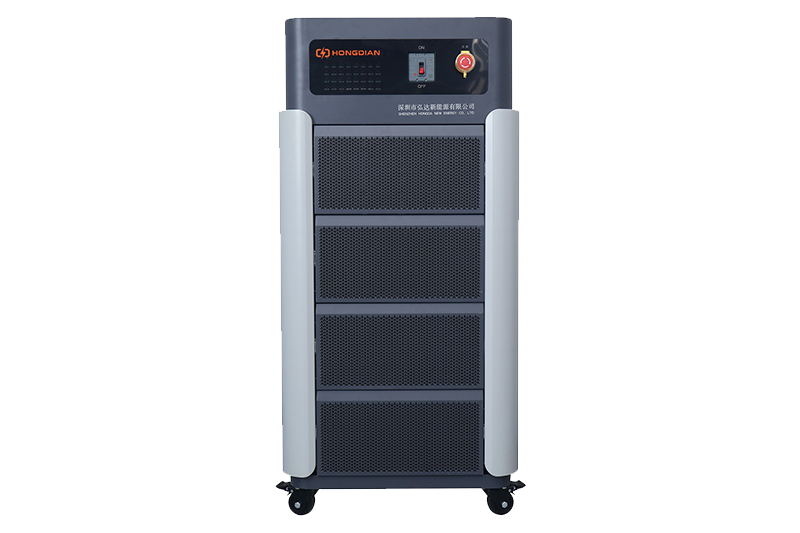 High-Precision Battery Charge Discharge Test Systems for EV Manufacturers
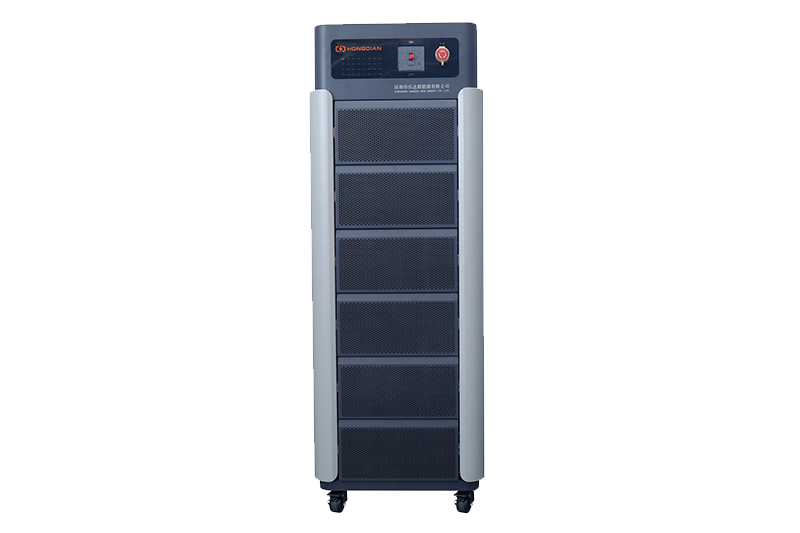 Precision Battery Test Racks for Cell Capacity & Internal Resistance Measurement
 Multi-Channel Battery Testing Equipment for Parallel Performance Analysis