How to Choose the Best Battery Tester and Analyzer for Your Needs?
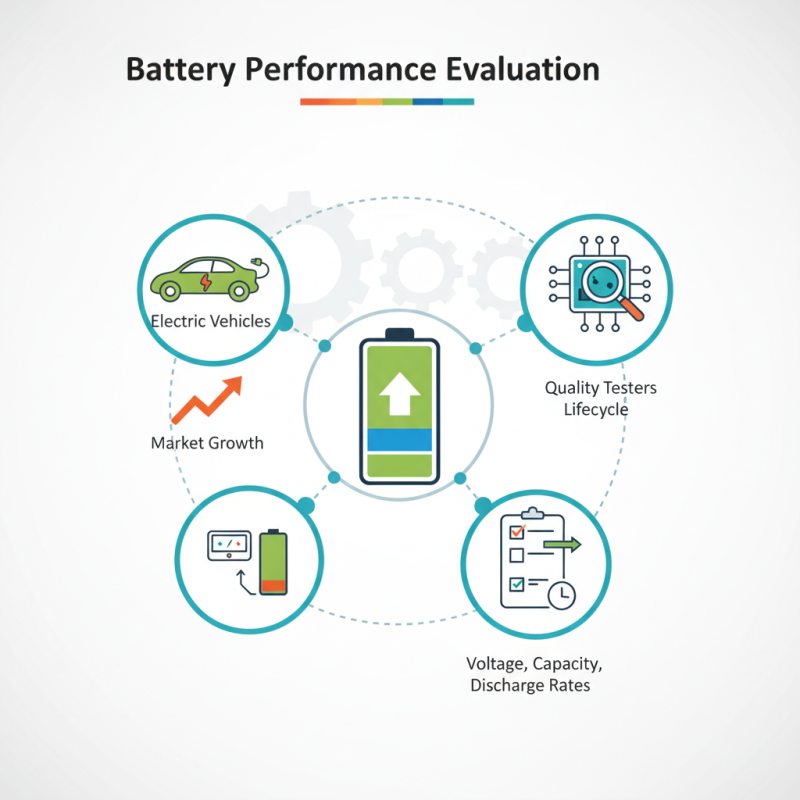
Choosing the right Battery Tester and Analyzer is crucial for battery performance evaluation. According to a recent industry report, the battery tester market is projected to grow significantly, driven by the rising demand for electric vehicles.
John Smith, a leading expert in battery technology, emphasizes, “Quality testers enhance battery lifecycle management.” Accurate testing helps identify battery health, ensuring reliable performance and safety.
Selecting the ideal battery tester involves understanding specific needs. Various models cater to different requirements, like voltage, capacity, and discharge rates. Don't rush into choices; assess your needs closely. A wrong selection can lead to ineffective monitoring or performance issues. Reflect on which features really matter for your applications.
Understanding Battery Types and Their Testing Requirements
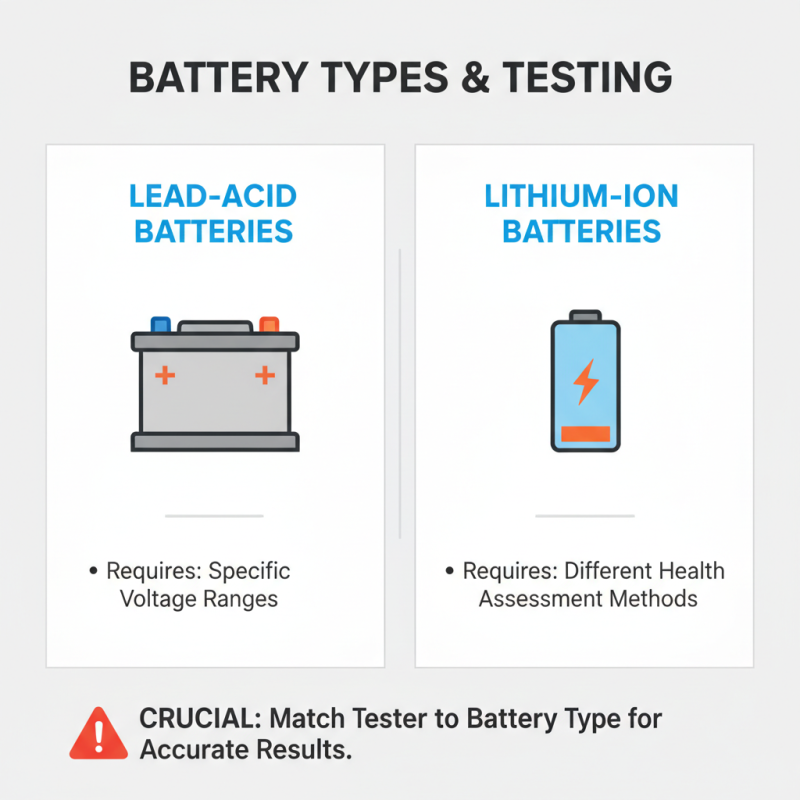
When choosing a battery tester, understanding battery types is crucial. Different batteries have unique testing requirements. For instance, lead-acid batteries need specific voltage ranges. In contrast, lithium-ion batteries require different methods for assessing their health. If you mix these up, you won’t get accurate results.
It’s important to consider how you use these batteries. Some devices may not perform well with insufficiently charged batteries. Always check the specifications to understand the limitations. Many testers offer multiple testing options. But not all of them cover every battery type. Some features may go unused, raising questions about their value.
Picking a tester that aligns with your needs is vital. You might find a device that tests several types but lacks depth in any area. This can lead to frustrating experiences. Opt for a device that offers clarity over numerous features. Accuracy is key; undervalued batteries can lead to unexpected failures. Testers should reflect the true state of your batteries, not just a guess.
Key Features to Consider in a Battery Tester and Analyzer
When choosing a battery tester and analyzer, key features play a crucial role. Start with voltage measurement capability. A good tester displays voltage levels accurately. This helps in assessing battery health quickly. Look for a device with a clear LCD screen. Sometimes, readability can be a challenge, especially in dim lighting.
Another essential feature is load testing. Some testers can simulate real-world conditions. This is vital for understanding performance under stress. A device with a load test function provides a more comprehensive analysis. Users might find it helpful to have adjustable load settings. This flexibility allows for testing different battery types, which is often overlooked.
Consider ease of use as well. Some testers come with complicated interfaces. If it's not user-friendly, it can lead to frustration. A straightforward design can make troubleshooting much easier. Reflect on your own needs; do you need a simple tester, or are you seeking detailed analysis? Understanding your requirements can guide you in making the right choice.
Different Methods of Battery Testing and Analysis Explained
Battery testing is essential for ensuring optimal performance and lifespan. Different methods exist for battery testing, each with its pros and cons. For instance, a load test measures how well a battery can maintain voltage under load. This method quickly reveals performance issues that might not show up during regular use.
Another method uses an electronic analyzer, which assesses various parameters like internal resistance and capacity. According to industry reports, utilizing electronic analyzers can be up to 90% more accurate than traditional load tests. However, many still rely on outdated methods. Some testers may not consider temperature effects, leading to misleading results. This oversight can result in misdiagnosing a battery's condition.
Additionally, infrared thermography is gaining popularity. It can detect hot spots in batteries, indicating failure zones. The appeal of this method lies in its non-invasive nature. However, the equipment can be costly and requires training to interpret results accurately. This raises questions about accessibility for the average user. Each method has unique benefits and drawbacks. Evaluating these methods critically is key to choosing the right approach for your needs.
How to Choose the Best Battery Tester and Analyzer for Your Needs?
| Testing Method |
Description |
Best For |
Typical Price Range |
| Load Testing |
Applies a load to the battery to see if it can maintain proper voltage. |
Automotive and larger batteries. |
$30 - $100 |
| Multimeter Testing |
Measures voltage, current, and resistance to assess battery health. |
General battery testing in various applications. |
$20 - $200 |
| Conductance Testing |
Measures how well the battery conducts electricity for a quick analysis. |
Lead-acid batteries, particularly in automotive applications. |
$50 - $150 |
| Advanced Chemical Testing |
Involves analyzing the chemical composition of the battery. |
Industrial batteries and research purposes. |
$300 - $1000 |
| Smart Battery Analyzers |
Connects to an app to provide detailed metrics and health reports. |
Consumer electronics and personal devices. |
$40 - $200 |
Evaluating Accuracy and Reliability of Battery Testers
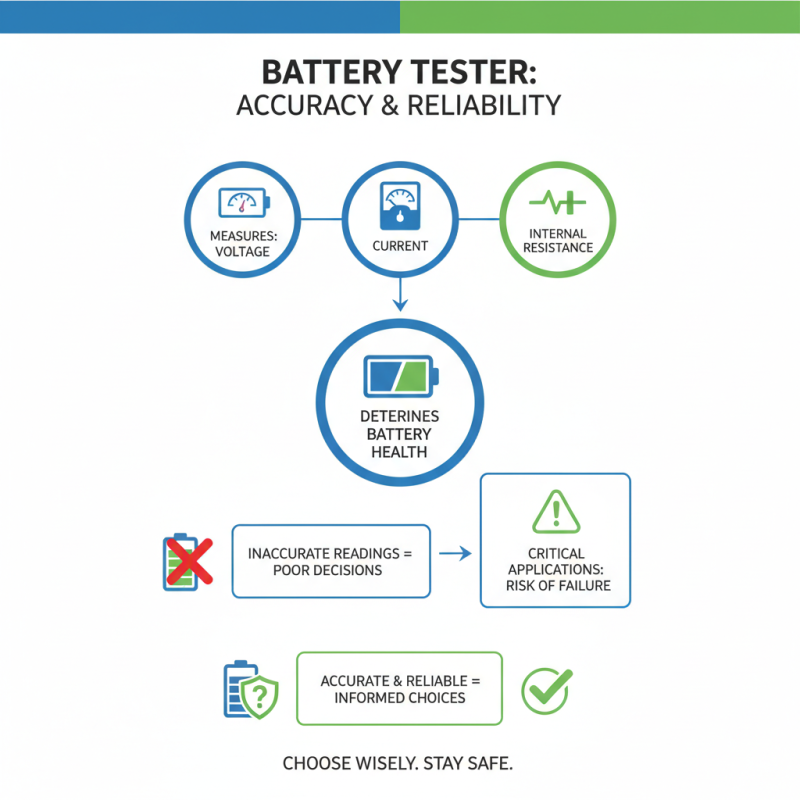
When selecting a battery tester, accuracy and reliability are critical considerations. A battery tester measures voltage, current, and internal resistance. These measurements help determine a battery's health. If the tester is inaccurate, it can lead to poor decisions. A faulty reading may suggest a battery is fine when it is not. This can be problematic, especially in critical applications.
It’s also essential to ensure the tester is reliable in various conditions. Extreme temperatures can affect performance. Some testers may not work well in colder environments. Users should read reviews and seek user experiences to gauge reliability. Testing multiple batteries in different conditions can reveal limitations. This hands-on approach often uncovers flaws that specs alone cannot indicate.
Pay attention to the calibration process. A tester can lose accuracy over time. Regular calibration ensures the device remains dependable. Some testers include calibration features, while others require manual adjustments. Understanding these factors can aid in making an informed choice. Battery testers can vary widely in quality and performance, so it’s wise to invest time in understanding your needs.
Budget Considerations and Top Brands in Battery Testing Tools
When selecting a battery tester and analyzer, budget plays a crucial role. You can find options at various price points. Low-cost models may lack advanced features but can still meet basic needs. Mid-range testers often offer a balance of functionality and affordability. High-end options provide comprehensive diagnostics but come with a hefty price tag. Assessing your specific requirements is essential before making a decision.
Top brands usually deliver reliable products. However, you might also discover hidden gems from lesser-known manufacturers. Look for customer reviews and ratings to gauge performance. Pay attention to the features that matter most to you. Are you interested in testing multiple battery types? Or do you need something more portable? Each user has different needs, so consider what suits you best.
After researching, you may realize that your priorities shift. Sometimes, the most expensive model is not the best fit. You might end up questioning if you really need all those features after all. Reflect on your usage patterns and remember, a good tester should empower you, not overwhelm you.
Battery Tester and Analyzer Features Comparison
This chart illustrates the comparison of key features across various battery testers and analyzers in terms of their performance ratings. Features considered include Battery Capacity Detection, Voltage Measurement Range, User Interface Quality, and Data Logging Capability.

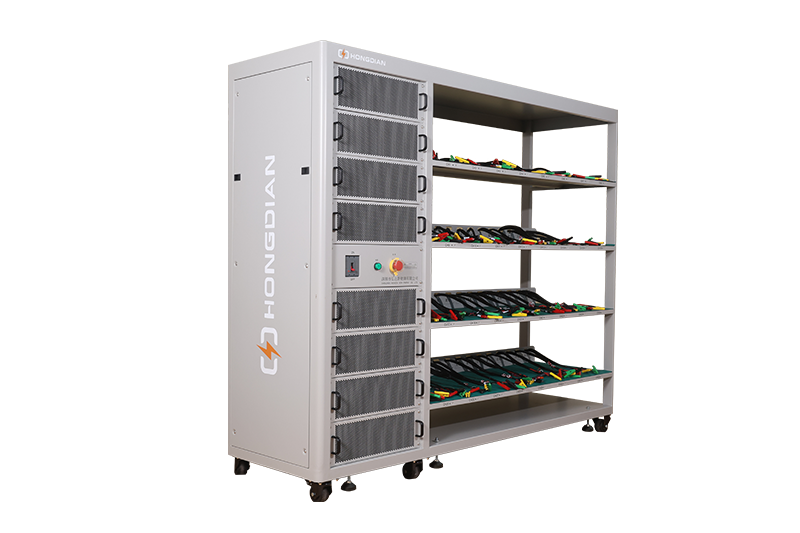 32/48 channel battery charging and discharging test integrated battery cabinet
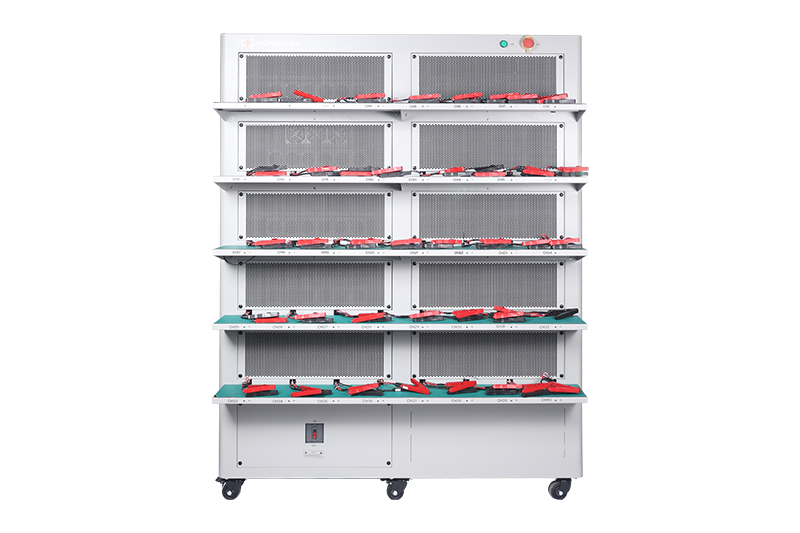 40 channel battery charging and discharging test integrated battery cabinet
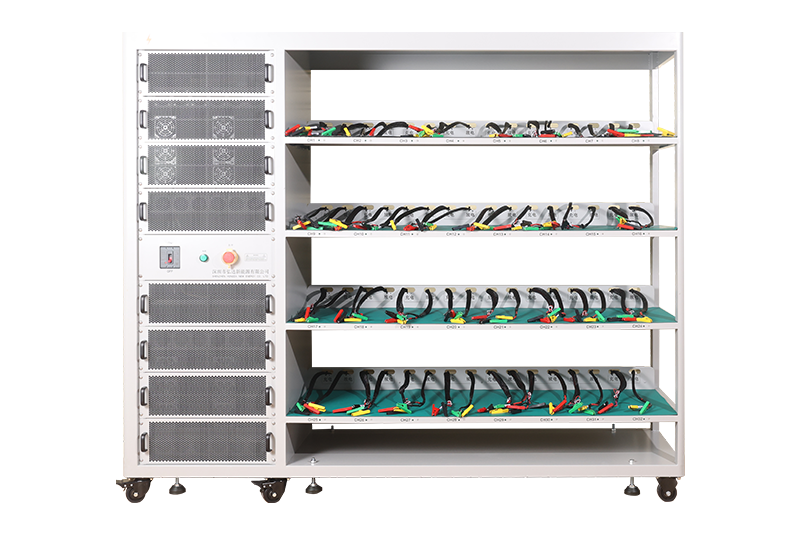 64 channel battery charging and discharging test integrated battery cabinet
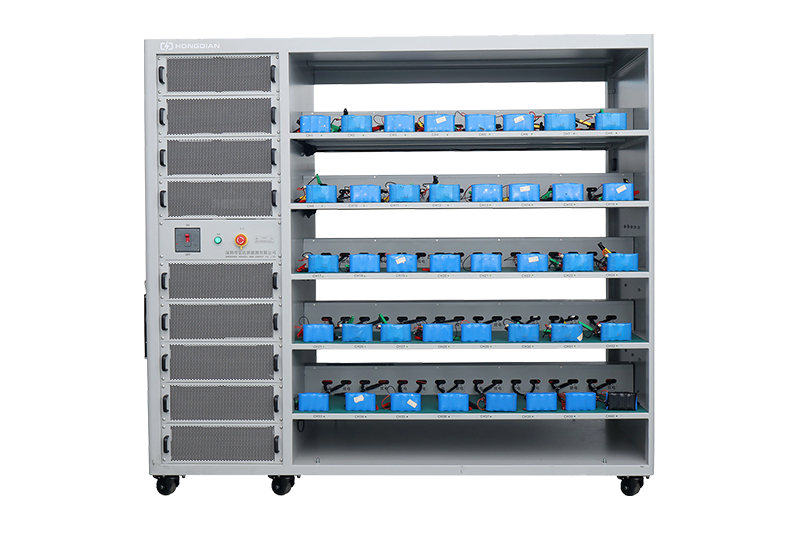 80 channel battery charging and discharging test integrated battery cabinet
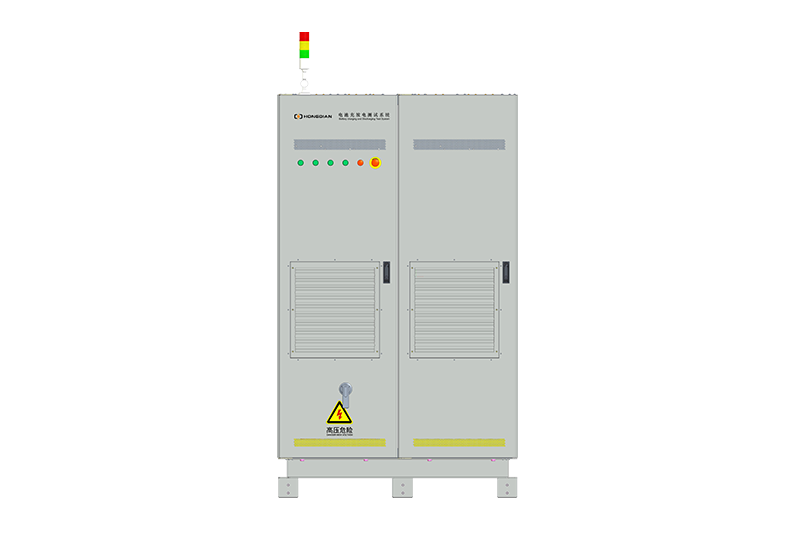 1000V-1500V High Voltage High Current Battery Testing System
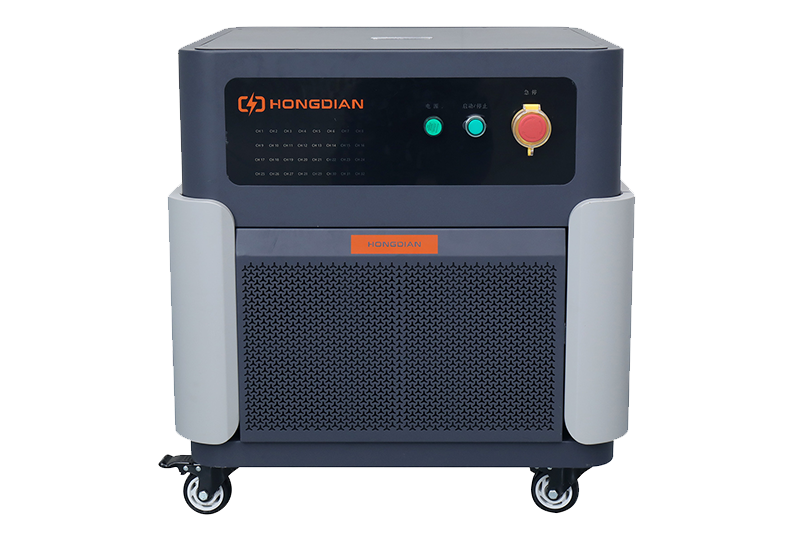 High-Precision Battery Testing System for Enhanced Performance Monitoring 30V/60V/100V/120V
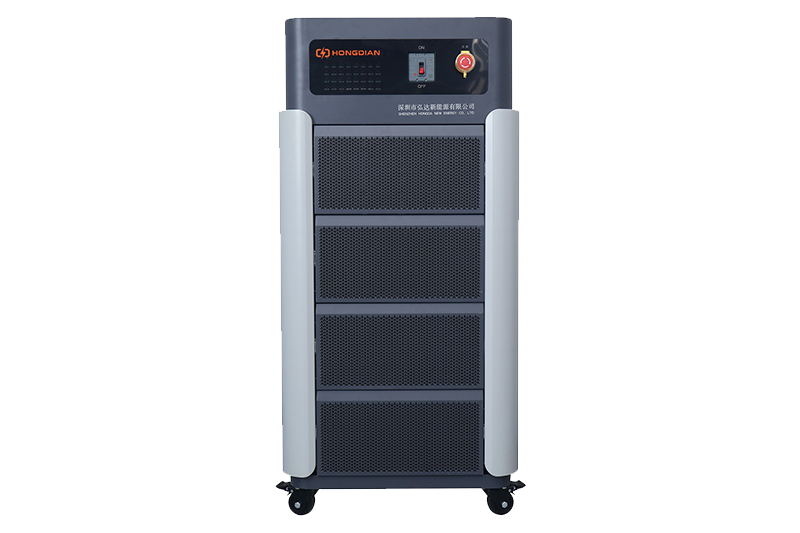 High-Precision Battery Charge Discharge Test Systems for EV Manufacturers
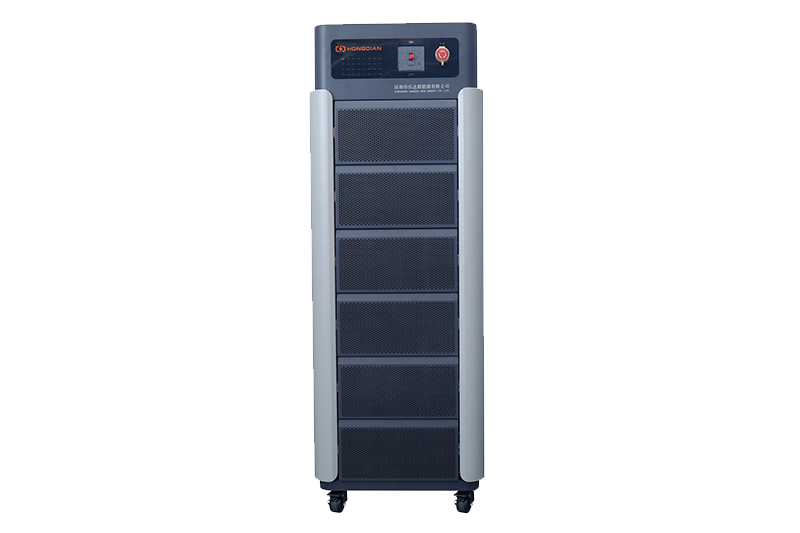 Precision Battery Test Racks for Cell Capacity & Internal Resistance Measurement
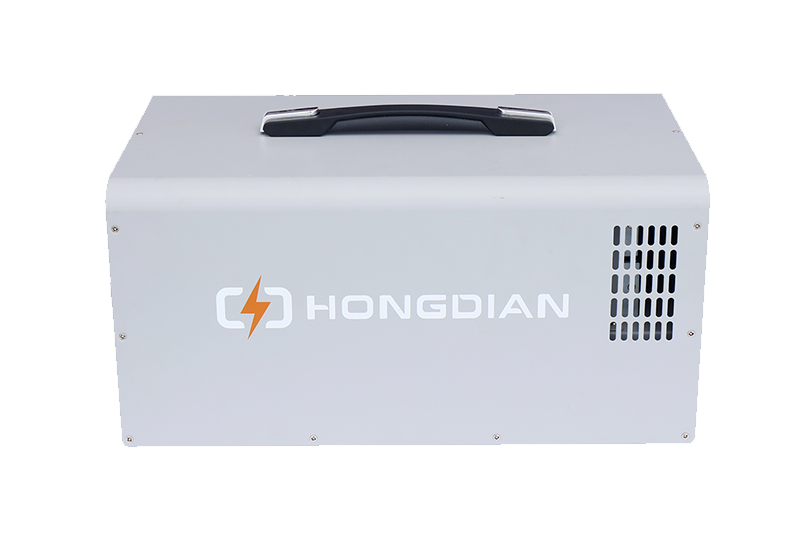 Multi-Channel Battery Testing Equipment for Parallel Performance Analysis