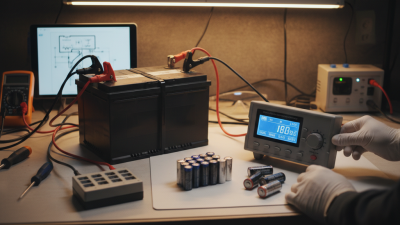
How to Use a Battery Tester Effectively for Accurate Results?
In today's tech-driven world, understanding battery performance is crucial. A reliable battery tester is essential for accurate readings. According to the latest industry report by the Battery Council International, approximately 29% of batteries are improperly tested. This statistic reveals a significant margin for error, affecting both performance and safety.
Using a battery tester effectively can enhance the longevity of your devices. Yet, many users overlook essential testing techniques. Outdated habits or lack of knowledge can lead to inaccurate results. For instance, not considering temperature factors can skew outcomes. Moreover, battery life is affected by charge cycles; improper testing can mislead users about replacement needs.
The market for battery testers continues to grow, emphasizing their importance. However, many remain unaware of the best practices for usage. Effective testing can prevent premature battery disposal and unnecessary expenses. A battery tester is more than a tool; it is a means to ensure optimal performance. Exploring its effective use is crucial for both personal devices and industrial applications.
Understanding the Importance of Battery Testing for Performance Validation
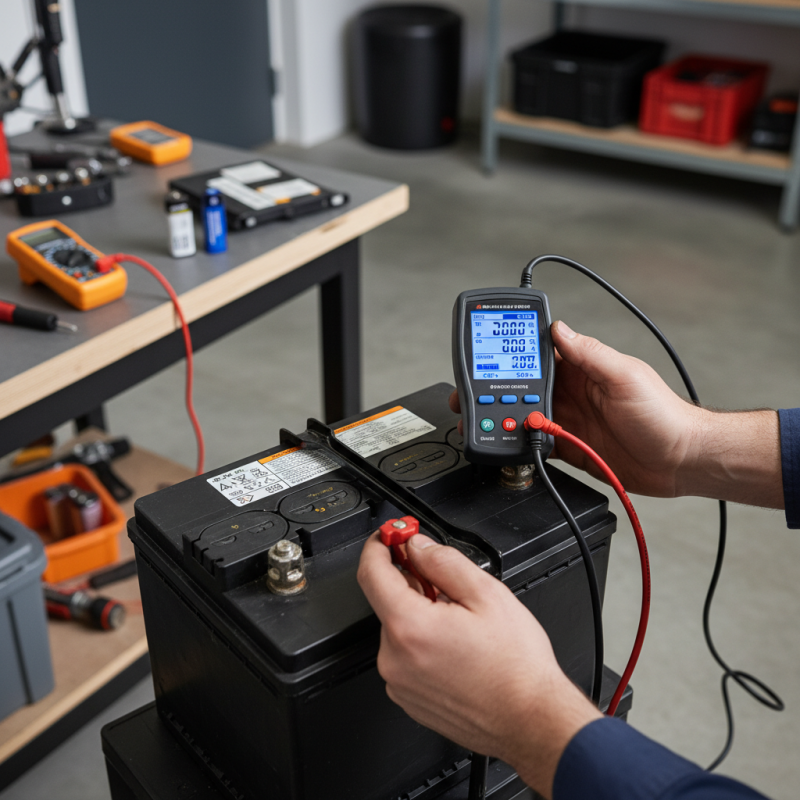
Battery testing is often overlooked, yet it plays a crucial role in ensuring performance validation. In fact, a study by the Battery University revealed that up to 30% of battery failures are due to poor testing practices. Proper testing not only identifies weak batteries but also helps prevent unexpected failures in critical devices.
Understanding how to interpret test results is vital. A simple voltmeter can provide insights, but an advanced battery tester reveals more complex issues. For example, internal resistance can indicate age and decline. Many users may miss this detail. Failing to account for such parameters can lead to miscalculations in battery life.
Moreover, testing frequency matters. Data indicates that batteries should be tested regularly, especially in high-demand applications. Performing tests every three months can be beneficial, but many only test annually. This gap can expose equipment to risk. Developing a routine can mitigate unexpected shutdowns and improve overall reliability. Awareness is key in achieving top-notch performance validation.
Types of Battery Testers and Their Uses in Different Applications
When choosing a battery tester, understanding the types available is crucial. There are three main categories:
digital testers, analog testers, and multimeters.
Digital testers provide precise readings and are user-friendly.
They often include features like voltage measurement and discharge testing. However, users may sometimes
misinterpret the results if they aren't familiar with the display.
Analog testers, on the other hand, utilize a needle and dial system. They can offer a more hands-on experience.
Some users prefer them for their simplicity. Yet, the readings might be less accurate than digital types.
It's easy to misread the needle, especially under poor lighting conditions.
Multimeters are versatile tools. They test batteries, voltages, and currents. While they are multifunctional,
mastering all of their features can be overwhelming. Users might feel discouraged if they only want a simple battery test.
The level of complexity can be a barrier for some. Understanding these different testers helps ensure accurate
results in your battery assessments.
Step-by-Step Guide to Preparing for Battery Testing Procedures
Preparing for battery testing requires careful attention to detail. What you do before testing can significantly affect your results. Start by ensuring your battery is at room temperature. Cold batteries can show inaccurate voltage readings. According to a study by the Battery University, testing a battery at temperatures below 10°C can lead to up to 20% underperformance in voltage readings.
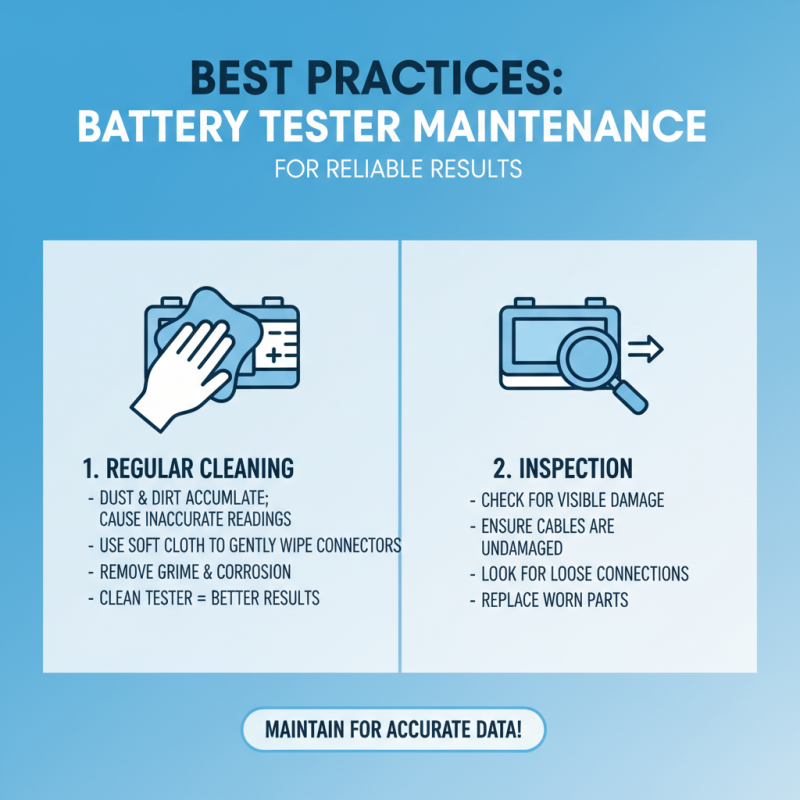
Next, clean the battery terminals. Dirt and corrosion can interfere with the connections, resulting in misleading results. A clean contact ensures that the tester receives accurate readings. Even a small amount of corrosion can create high resistance. Reports show that up to 30% of battery failures may be traced back to poor terminal connections.
Remember, it's vital to select the correct range on your tester. Many users overlook this step. If the range is set incorrectly, you risk reading levels that do not reflect the actual state of the battery. Research indicates that mislabeled batteries contribute to 15% of user errors in battery testing. Take the time to prepare. Each step is crucial for accurate outcomes.
Interpreting the Results: Analyzing Readings from a Battery Tester
Interpreting battery tester results is crucial for understanding battery health. A well-calibrated tester can provide precise data. For instance, a fully charged battery should reflect near 12.6 volts in a typical lead-acid battery. Readings below 12.4 volts suggest a need for recharging. Industry reports indicate that improperly maintained batteries can lose up to 30% of their capacity over time.
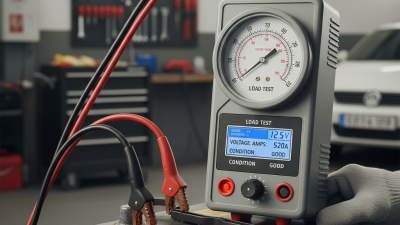
Beyond voltage, one must consider load testing results. A battery must sustain a specific load for a brief period; usually, this is about 15 seconds. If the voltage drops significantly during this time, it may indicate internal damage. Studies have shown that testing under load matches real-world use. This helps in predicting failure rates effectively.
Additionally, understanding electrolyte levels is vital. Visual indicators can show whether the battery is overfilled or too dry. Both conditions affect performance. Regular testing, ideally every three months, can prevent unexpected failures. Each reading should be documented for trend analysis. Recognizing patterns helps identify aging batteries before they fail completely.
Battery Tester Results Analysis
This bar chart displays the voltage readings of different batteries tested using a battery tester. The accurate interpretation of these results is crucial for assessing the health and performance of batteries.

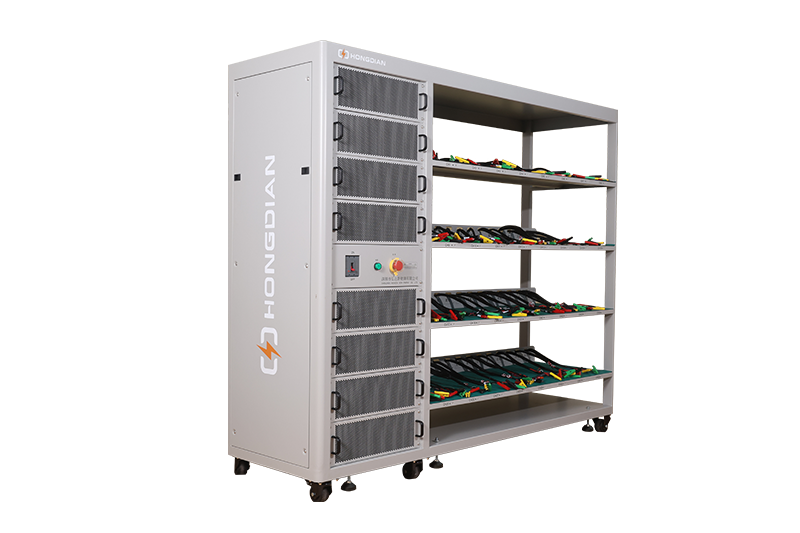 32/48 channel battery charging and discharging test integrated battery cabinet
 40 channel battery charging and discharging test integrated battery cabinet
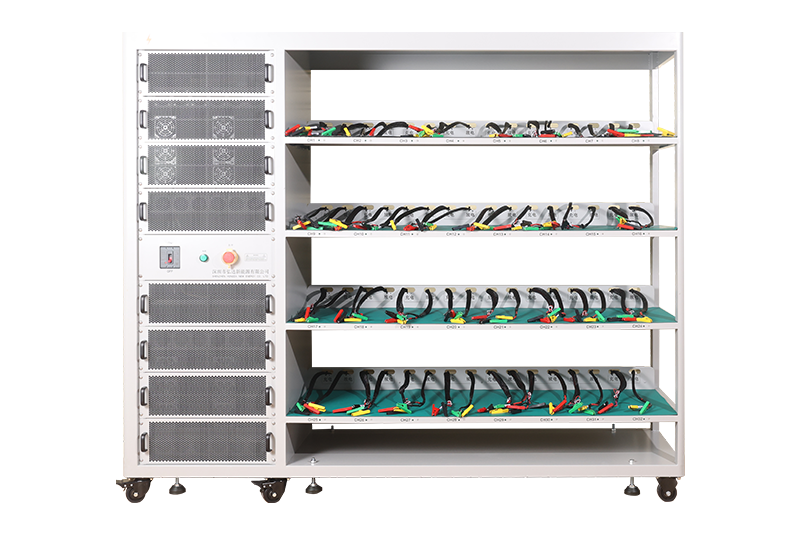 64 channel battery charging and discharging test integrated battery cabinet
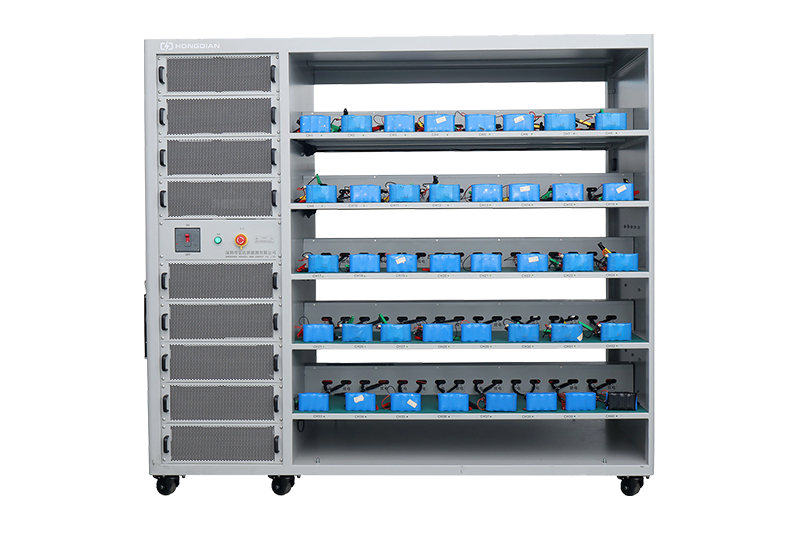 80 channel battery charging and discharging test integrated battery cabinet
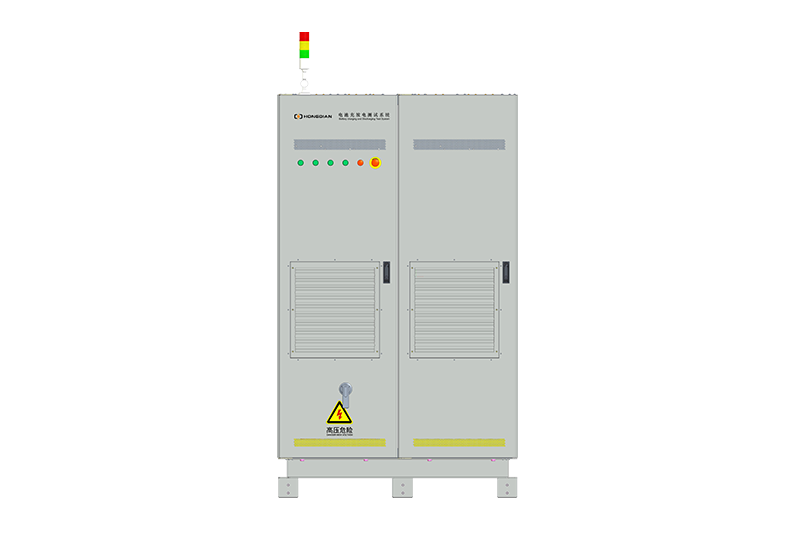 1000V-1500V High Voltage High Current Battery Testing System
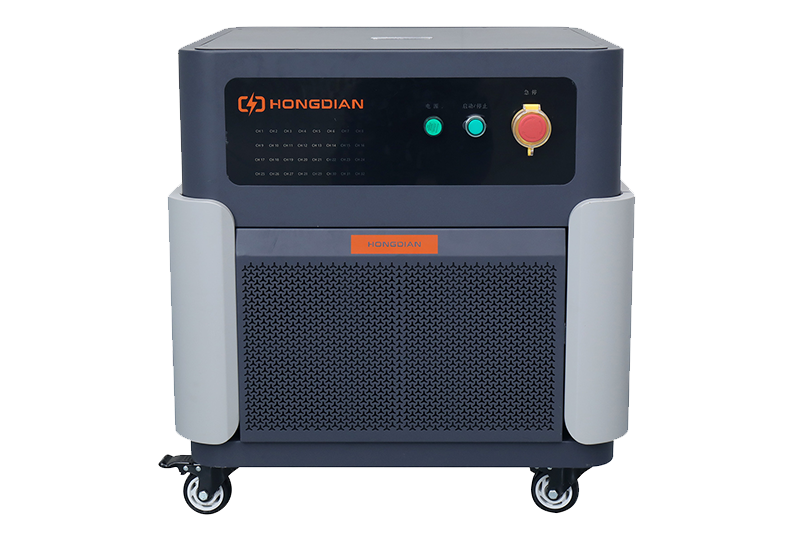 High-Precision Battery Testing System for Enhanced Performance Monitoring 30V/60V/100V/120V
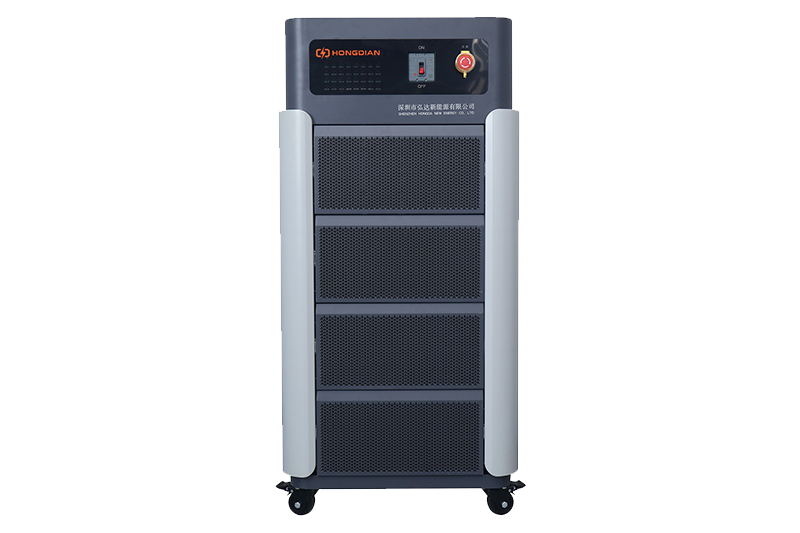 High-Precision Battery Charge Discharge Test Systems for EV Manufacturers
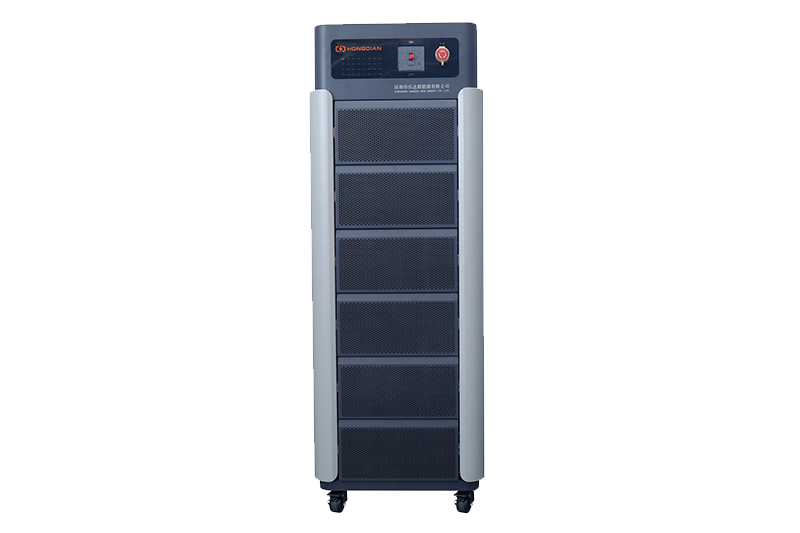 Precision Battery Test Racks for Cell Capacity & Internal Resistance Measurement
 Multi-Channel Battery Testing Equipment for Parallel Performance Analysis