Why You Need a Hearing Aid Battery Tester for Longevity?
When it comes to hearing aids, battery life is crucial. According to a report by the Hearing Industries Association, nearly 30 million Americans could benefit from hearing aids. A well-functioning hearing aid can significantly enhance their quality of life. This makes the reliability of hearing aid batteries extremely important.
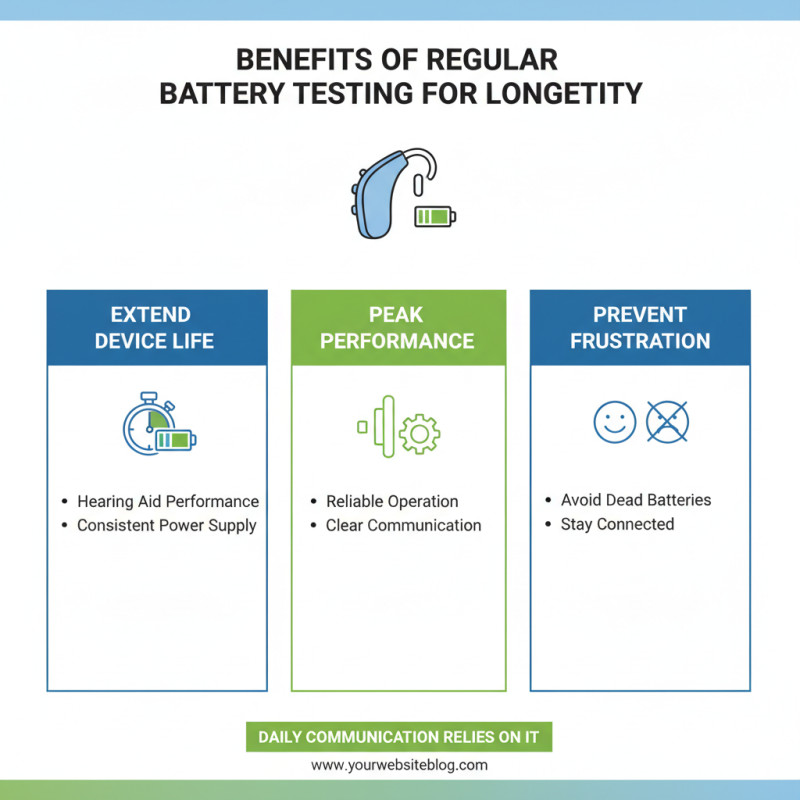
Using a Hearing Aid Battery Tester ensures optimal performance. Research shows that a battery tester can extend battery life by detecting when batteries are losing power. Regular testing can prevent unexpected failures, helping users maintain their hearing experience. Many users report frustration when their device dies unexpectedly, leading to missed conversations or important moments.
In a world where communication is vital, having a reliable hearing aid battery is essential. A Hearing Aid Battery Tester helps prevent the anxiety of sudden battery changes. It empowers users to stay connected and engage fully in their daily activities. Investing in this device demonstrates a commitment to improved hearing health.
Understanding Hearing Aid Batteries: Types and Lifespan
Understanding the different types of hearing aid batteries is crucial for users seeking longevity. Typically, hearing aid batteries come in zinc-air and lithium-ion varieties. Zinc-air batteries are commonly used due to their affordability and easy availability. However, they have a limited lifespan, usually lasting 3 to 14 days, depending on usage. In contrast, lithium-ion batteries are rechargeable, making them more convenient for daily use. They can last several years if properly maintained.
Tips: Always store your batteries in a cool, dry place. Extreme temperatures can affect their performance and lifespan. Regularly check the expiration date before use.
The lifespan of hearing aid batteries can be influenced by various factors. The size of the battery impacts how long it lasts. Additionally, exposure to moisture can shorten battery life. Users often overlook these details, leading to unexpected battery failures. A battery tester can help determine the remaining power and ensure optimal performance.
Tips: Invest in a hearing aid battery tester for peace of mind. A quick check can save you from sudden silence during important conversations. Replace batteries promptly to maintain the quality of your hearing experience.
Importance of Battery Testing for Hearing Aid Performance
Proper battery testing is crucial for the optimal performance of hearing aids. A hearing aid relies on its battery to function effectively. A weak or dying battery can lead to distorted sounds or complete silence. Frequent battery checks can prevent these issues. Without regular testing, users may face inconvenience and frustration. That’s why investing in a reliable battery tester is wise.
Consider this tip: always test your batteries before important events. This way, you can ensure your hearing aid performs flawlessly. If you notice fluctuations in sound quality, it’s time to check the battery. Remember, even new batteries can be faulty. Test them to avoid surprises.
Regular testing keeps your hearing aid working well. Create a routine to check your batteries weekly. This practice enhances device longevity and improves overall experience. Being proactive helps you stay connected to the world around you. Don't underestimate the importance of these checks, especially if you rely on your hearing aid daily.
Why You Need a Hearing Aid Battery Tester for Longevity? - Importance of Battery Testing for Hearing Aid Performance
| Battery Type |
Average Lifespan (Days) |
Recommended Testing Frequency |
Impact on Hearing Aid Performance |
| Zinc-Air |
3 - 7 |
Weekly |
Decreased sound quality if voltage is low |
| Lithium-Ion |
1 - 5 years |
Monthly |
Longer lasting, but requires monitoring |
| Nickel-Metal Hydride |
2 - 3 years |
Every 2 weeks |
Performance dips if charged inconsistently |
| Alkaline |
1 - 3 days |
Daily |
Inconsistent performance, frequent replacements needed |
How a Hearing Aid Battery Tester Works: Key Features
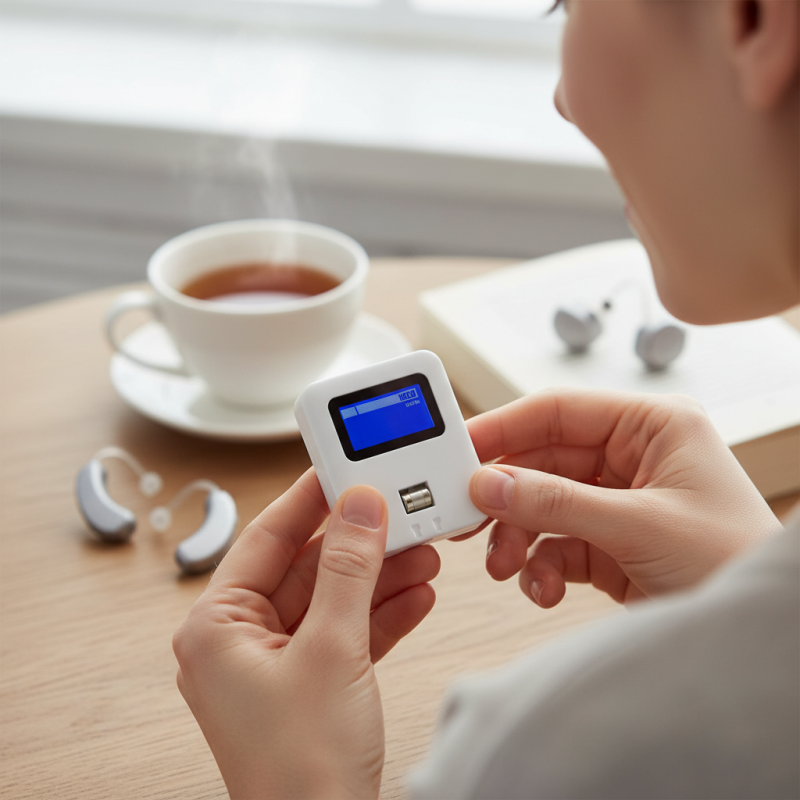
A hearing aid battery tester ensures your hearing devices function at their best. Many users overlook battery performance. Yet, a recent study indicated that nearly 40% of hearing aid users experienced poor sound quality. This often happens when batteries are weak or dying. Regular testing can prevent such frustrations.
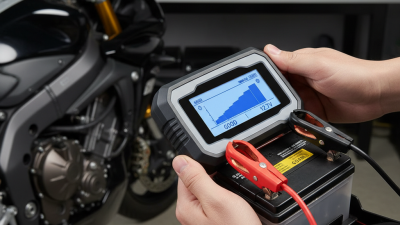
The key features of a hearing aid battery tester include ease of use and accuracy. Most testers require just a simple placement of the battery to provide immediate results. Advanced models display voltage levels, giving a clearer picture of battery health. An industry report highlighted that accurate readings can extend the lifespan of batteries by up to 20%. Troublingly, many users fail to test their batteries regularly, leading to unexpected failures.
Access to quick battery diagnostics enhances user experience. Ideally, these testers should be part of everyday hearing aid care. However, only about 30% of hearing aid users utilize them routinely. This gap suggests a need for improved education on battery management. Regular testing could reduce hearing aid malfunctions and improve overall satisfaction. People should reflect on their habits surrounding battery maintenance to fully benefit from their hearing aids.
Choosing the Right Battery Tester for Your Hearing Aids
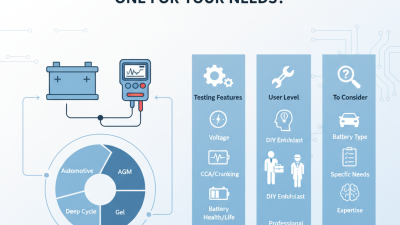
When choosing a battery tester for your hearing aids, consider its reliability. A quality tester prevents unexpected power loss. Research indicates that nearly 27% of hearing aid users face problems due to weak batteries. This data underscores the importance of testing battery life regularly. A reliable tester provides peace of mind, ensuring your aids function properly.
Tips for selecting a battery tester include checking for user-friendly features. Look for testers with clear displays and simple instructions. Some models even have audible alerts for low battery levels, which can be beneficial. Remember, not all testers are the same. Some may lack accuracy or durability, which could lead to frustration.
Opt for a tester that is compatible with your hearing aid batteries. There are various sizes, so mismatched testers could compromise performance. A thorough review by professionals can point you to the best options. Investing time in choosing the right tester can yield long-term benefits. Don't overlook the importance of maintenance in prolonging battery life. Take time to test your batteries routinely, and you’ll enhance the longevity of your hearing aids.
Battery Lifespan Comparison for Hearing Aids

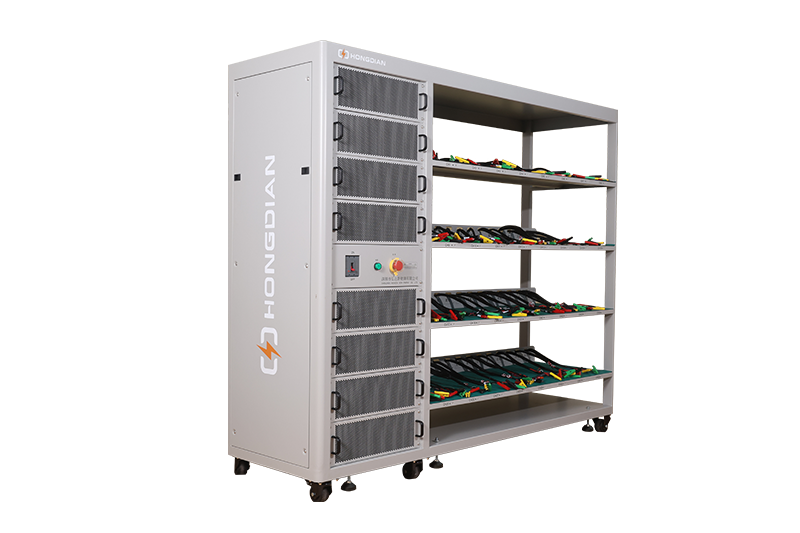 32/48 channel battery charging and discharging test integrated battery cabinet
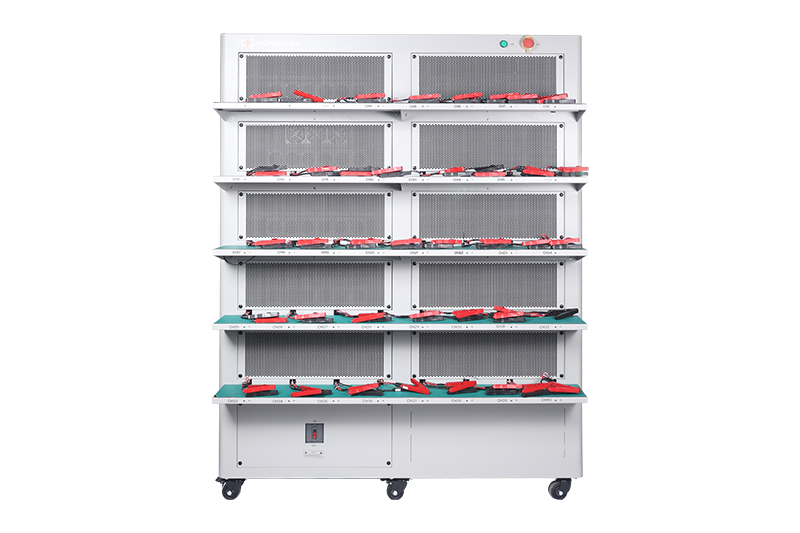 40 channel battery charging and discharging test integrated battery cabinet
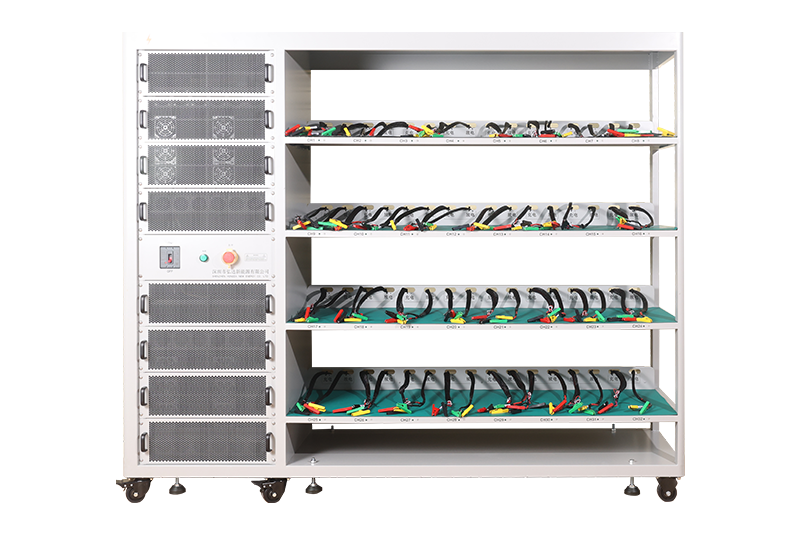 64 channel battery charging and discharging test integrated battery cabinet
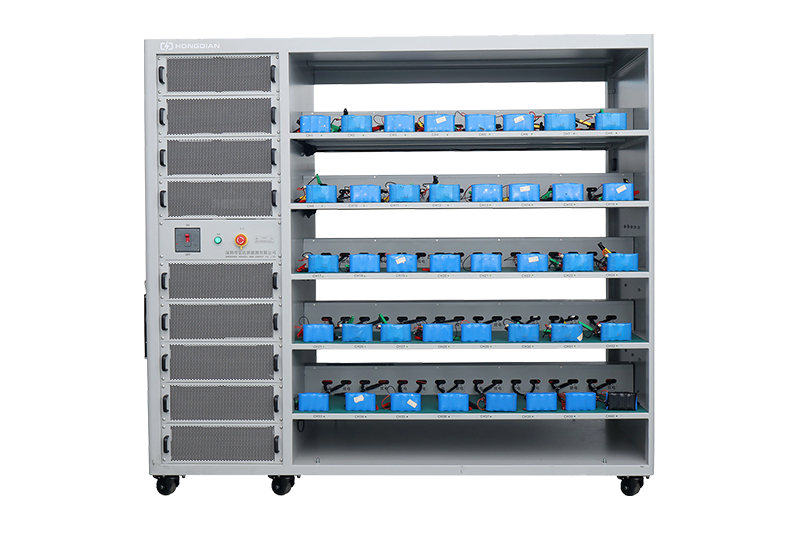 80 channel battery charging and discharging test integrated battery cabinet
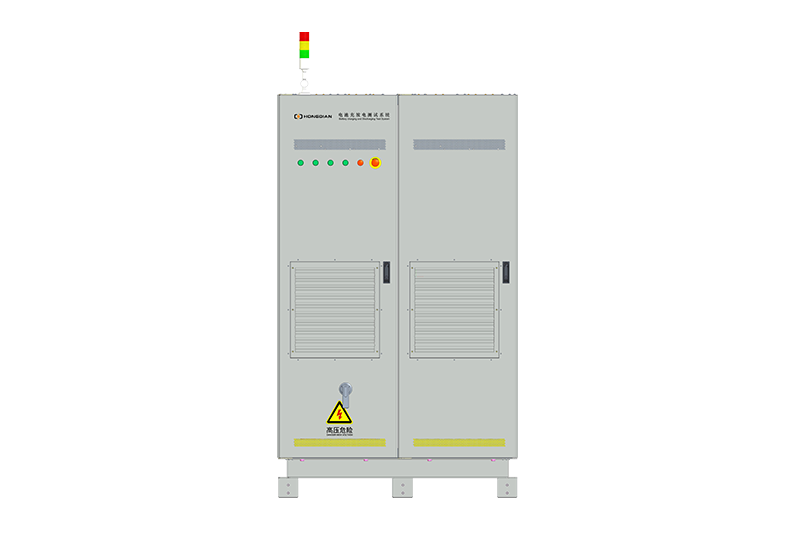 1000V-1500V High Voltage High Current Battery Testing System
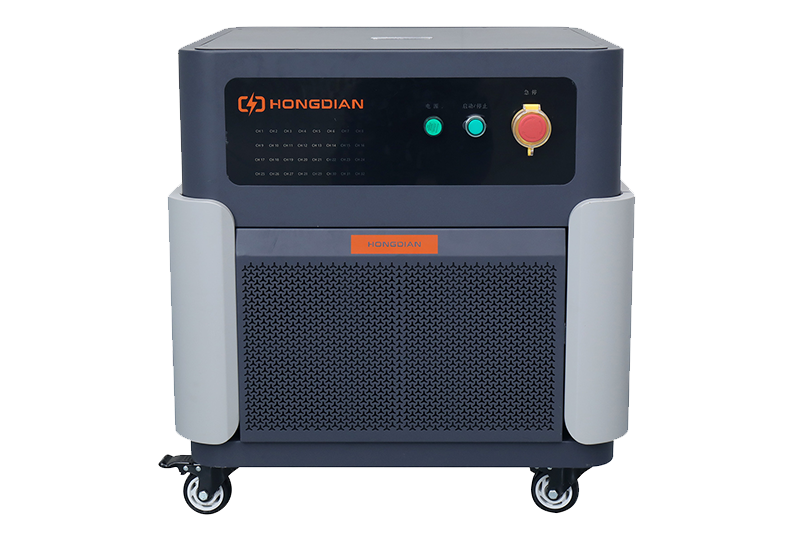 High-Precision Battery Testing System for Enhanced Performance Monitoring 30V/60V/100V/120V
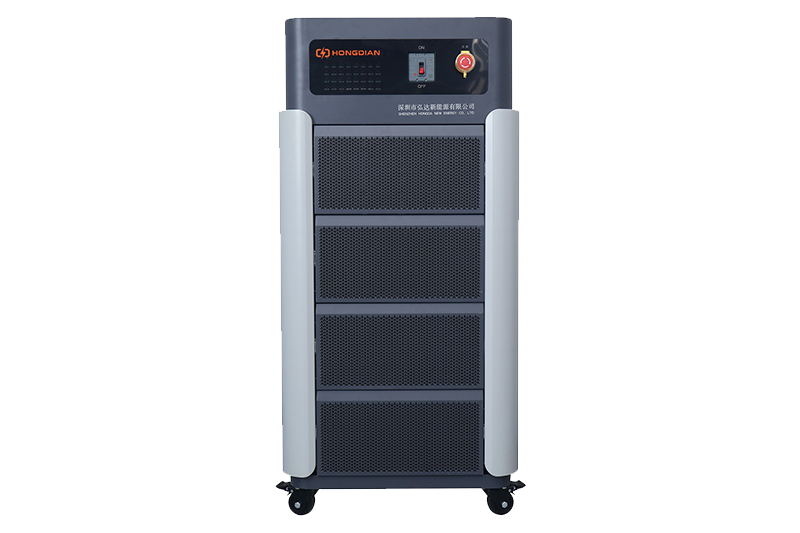 High-Precision Battery Charge Discharge Test Systems for EV Manufacturers
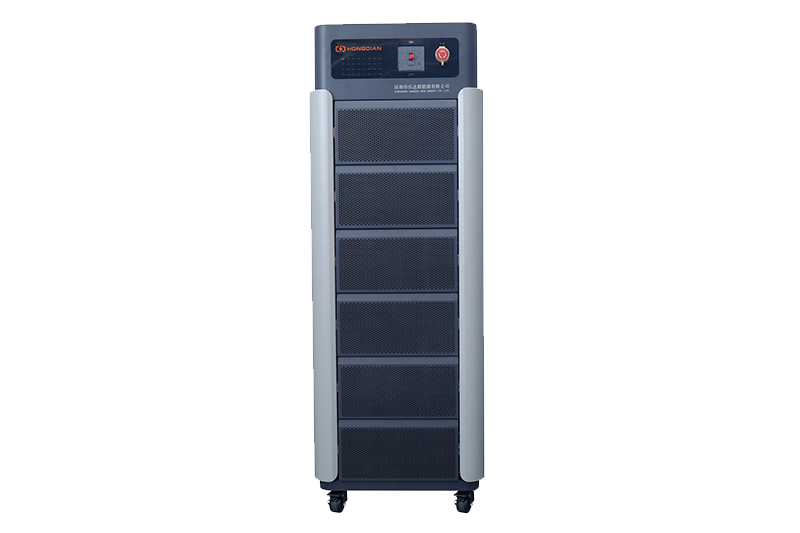 Precision Battery Test Racks for Cell Capacity & Internal Resistance Measurement
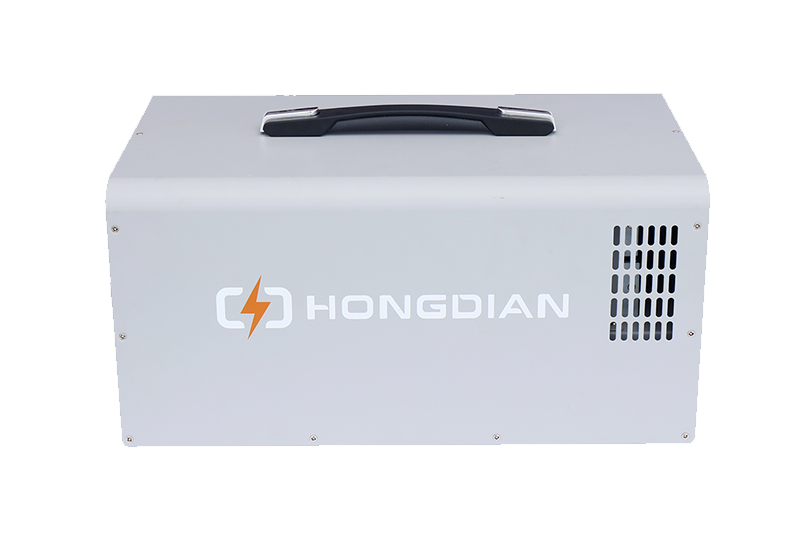 Multi-Channel Battery Testing Equipment for Parallel Performance Analysis