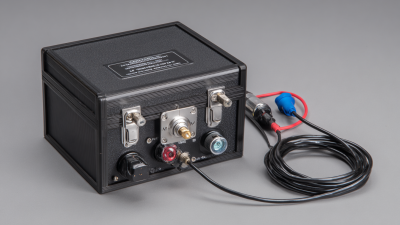
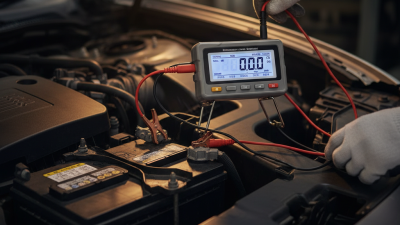
Top Tips for Choosing a Battery Tester for Lithium Batteries?
As the demand for lithium batteries rises, selecting the right Battery Tester for Lithium Batteries becomes crucial. Industry reports indicate that the global lithium-ion battery market is expected to grow at a CAGR of 19.2% from 2020 to 2027. This growth emphasizes the need for precise assessment tools to ensure battery longevity and performance.
Dr. Emily Carter, a leading expert in battery technologies, states, "A reliable battery tester is essential for maintaining the efficiency of lithium batteries." Her insights underline the importance of understanding battery conditions accurately. Choosing the wrong tester could result in inaccurate readings and potentially hazardous outcomes.
It's essential to consider features like accuracy, battery compatibility, and user-friendliness when selecting a Battery Tester for Lithium Batteries. Many testers in the market fall short in these areas. Failing to identify the right specifications can lead to inefficient testing practices. Prioritizing quality over cost is vital in a market filled with subpar options.
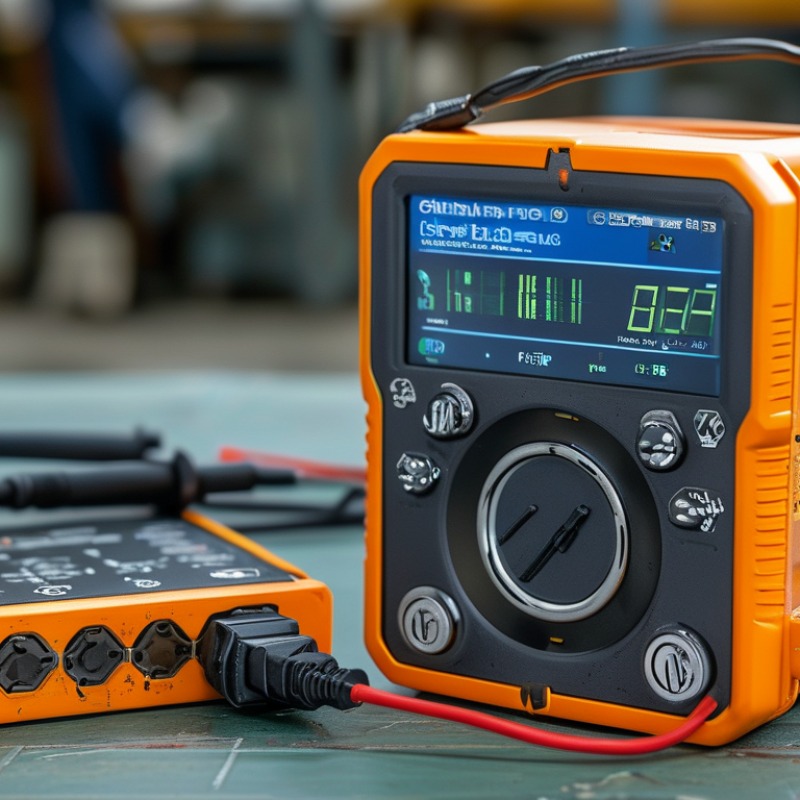
Understanding Lithium Battery Types and Their Testing Requirements
When choosing a battery tester for lithium batteries, it’s crucial to understand the types of lithium batteries available.
Lithium-ion (Li-ion) and lithium iron phosphate (LiFePO4) are two popular types.
Each has distinct characteristics and testing requirements.
For instance, Li-ion batteries typically have a higher energy density.
They can deliver more energy in a smaller size, making them ideal for portable electronics.
In contrast, LiFePO4 batteries offer better thermal stability and longevity.
They are often used in applications that require safety and reliability.
A report from the International Energy Agency indicates that lithium battery demand is projected to grow over 20% annually through 2030.
As the market expands, the need for accurate testing becomes more critical.
Different lithium batteries require specific methods to ensure their optimal performance.
For instance, a voltage test is suitable for Li-ion batteries, while a capacity test is vital for LiFePO4.
Selecting a tester that caters to these requirements can prevent potential issues.
Yet, not all battery testers can provide the reliability needed for lithium batteries.
Some may lack the necessary precision, leading to inaccurate readings.
This shortfall can result in premature battery failure or performance degradation.
Therefore, understanding the requirements and testing methods is essential when selecting a battery tester.
Ignoring these aspects may lead to poor choices and inefficient battery management.
Key Features to Look for in a Battery Tester for Lithium Batteries
When selecting a battery tester for lithium batteries, specific features are crucial. One major feature to consider is the compatibility with various lithium chemistries. Lithium batteries can differ in composition, leading to variations in voltage and capacity. A versatile tester should handle Li-ion, LiPo, and LiFePO4 batteries effectively. This ensures accurate readings and prevents potential damage.
Another important aspect is the display quality. Look for testers with clear and easy-to-read screens. A backlit display can be especially helpful in low-light situations. Large, intuitive buttons enhance usability. Some testers offer features like real-time voltage monitoring. This allows users to track battery health during usage, giving immediate insights into performance.
Lastly, consider the safety features included in the tester. Over-voltage protection and short-circuit safeguards are vital. Lithium batteries can be sensitive and pose risks if mishandled. Even with safe handling practices, sometimes issues arise unexpectedly. A reliable tester minimizes hazards and inspires confidence in your testing process. Remember, even the most advanced equipment may have limitations, so understanding your tester is essential for accuracy and safety.
Different Testing Methods: Choosing the Right One for Your Needs
When selecting a battery tester for lithium batteries, understanding different testing methods is crucial. Common techniques include load testing and capacity testing. Load testing measures the battery's performance under heavy usage conditions. Capacity testing evaluates how much energy a battery can store and deliver. Each method serves unique needs and applications.
Accurate results depend on choosing the right method for your specific situation. For instance, a load tester is ideal for devices requiring instant power, like power tools. In contrast, capacity testers provide insights for long-term use, such as electric vehicles. Industry reports show that over 70% of battery failures could be prevented with proper testing before usage.
While these methods offer useful insights, they come with limitations. Load testing can't measure longevity, while capacity testing may fail to simulate real-world conditions. Understanding these nuances helps in making informed decisions. Opting for the wrong testing method can lead to poor performance and unhappy users. Thus, thoughtful consideration of each method is essential to maximize battery efficiency.
Top Tips for Choosing a Battery Tester for Lithium Batteries
| Testing Method |
Accuracy |
Price Range |
Best For |
| Load Testing |
High |
$30 - $100 |
Heavy Usage Batteries |
| Capacity Testing |
Moderate |
$25 - $80 |
General Purpose |
| Internal Resistance Testing |
High |
$50 - $150 |
Battery Health Monitoring |
| Smart Battery Testers |
Very High |
$70 - $300 |
Advanced Users |
| Digital Voltage Testers |
Moderate |
$15 - $50 |
Basic Checks |
Assessing Battery Tester Accuracy and Calibration Standards
Choosing a battery tester for lithium batteries requires careful consideration. One key aspect is the accuracy of the tester. Accurate readings ensure that you understand the true state of the battery. A tester can claim to be accurate, but how is this measured? Checking calibration standards is crucial. Calibration determines if the tester provides reliable results.
Many testers may not meet international standards, which can lead to misleading information. This is problematic for lithium batteries, where precision is vital. Look for testers that provide calibration certificates from recognized bodies. These certificates confirm that the device has undergone rigorous testing. Always ask about the last time the tester was calibrated. An uncalibrated tester can yield incorrect readings, influencing decisions.
Additionally, be wary of testers that do not provide clear guidelines on their accuracy. Sometimes, manufacturers downplay this important detail. Testing a battery with an inaccurate device can give a false sense of security. Regularly re-evaluating the performance of your tester helps maintain reliability. Thus, understanding calibration standards is integral to optimal battery maintenance.
Battery Tester Accuracy Rating Comparison
User Reviews and Brand Reputation: Making an Informed Choice
When selecting a battery tester for lithium batteries, user reviews and brand reputation play a crucial role. According to a recent industry report, over 70% of consumers trust peer reviews more than advertising. This statistic highlights the importance of feedback from other users. Reading these reviews can provide insights into the tester's accuracy and reliability. Many users have shared their experiences regarding specific models. These accounts often highlight practical usage, like ease of understanding the readings.
Brand reputation is equally significant. A company’s years in the industry and its commitment to quality can affect your decision. A survey indicated that brands with established reputations have lower return rates and higher user satisfaction. Consumers may favor brands known for their reliability, even if newer brands offer cutting-edge features. Research shows that it’s not just the technology but also customer service that matters. Brands with positive customer interactions tend to build trust, leading to long-term loyalty.
When considering reviews, it’s essential to remain critical. Not all reviews are genuine or reflective of the product's true performance. Some exaggerate experiences, while others may be overly pessimistic due to personal bias. Balance these opinions against professional assessments to form a clearer picture. Data from market research suggests that a comprehensive approach to evaluating user experiences can lead to a more informed purchase.

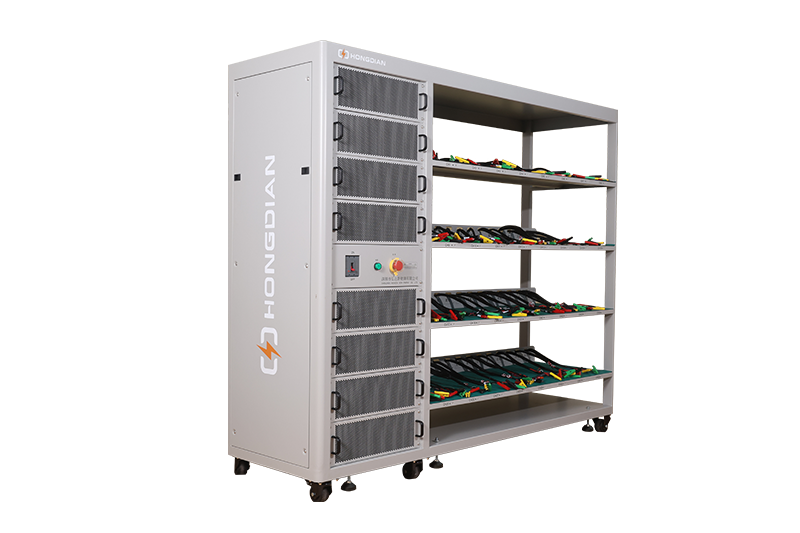 32/48 channel battery charging and discharging test integrated battery cabinet
 40 channel battery charging and discharging test integrated battery cabinet
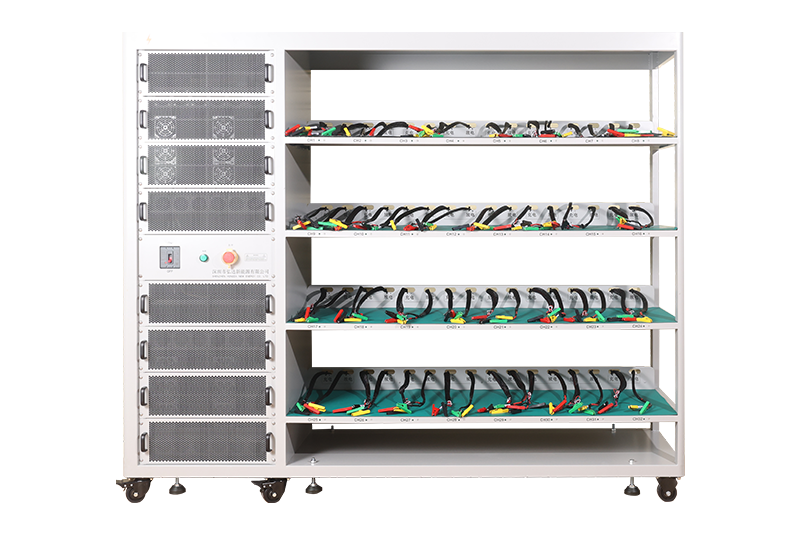 64 channel battery charging and discharging test integrated battery cabinet
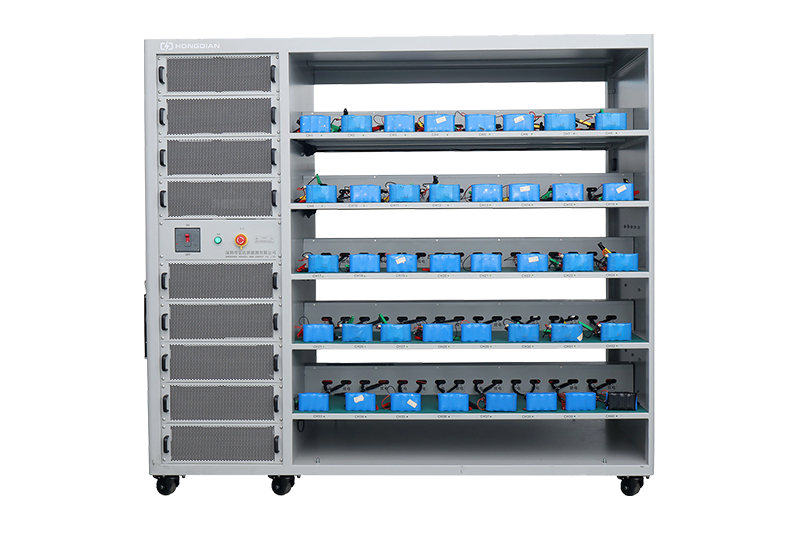 80 channel battery charging and discharging test integrated battery cabinet
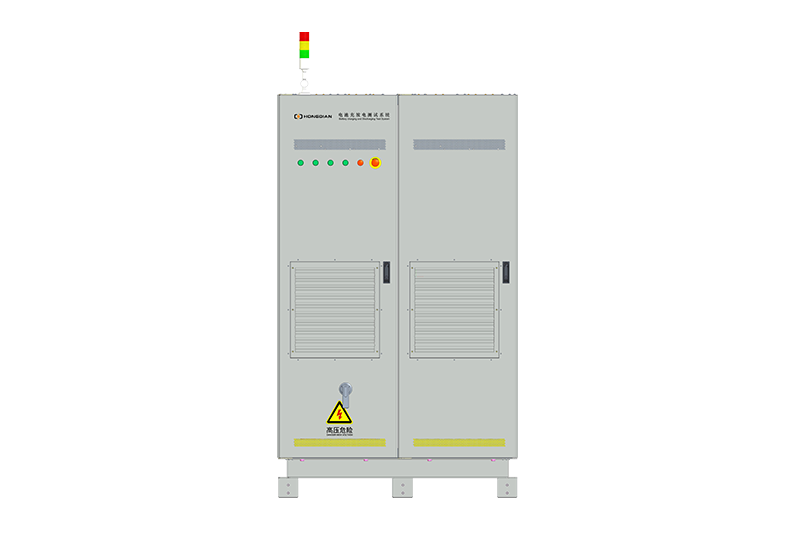 1000V-1500V High Voltage High Current Battery Testing System
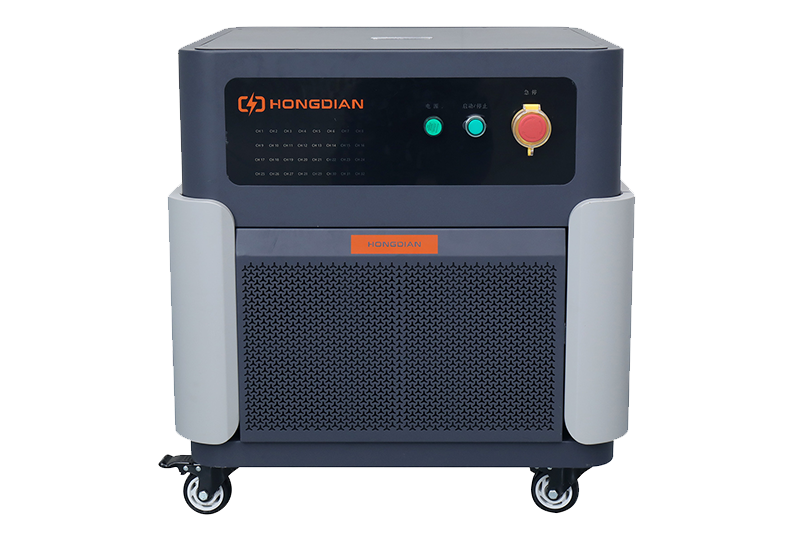 High-Precision Battery Testing System for Enhanced Performance Monitoring 30V/60V/100V/120V
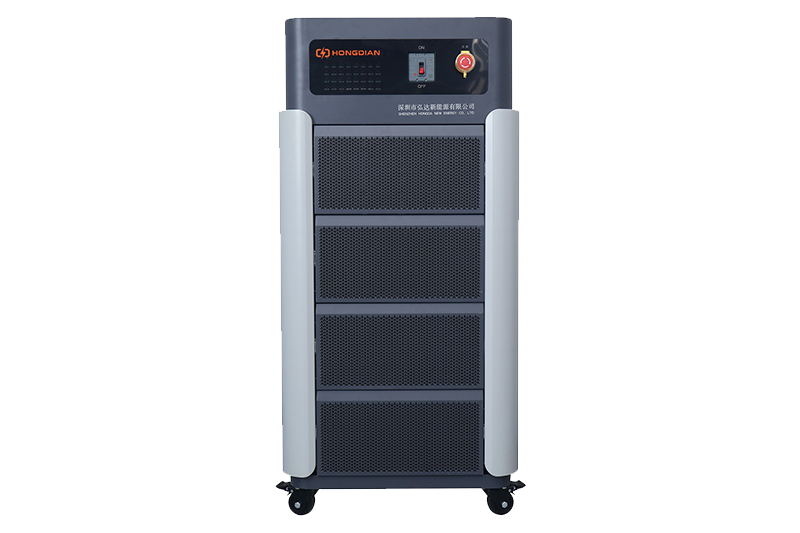 High-Precision Battery Charge Discharge Test Systems for EV Manufacturers
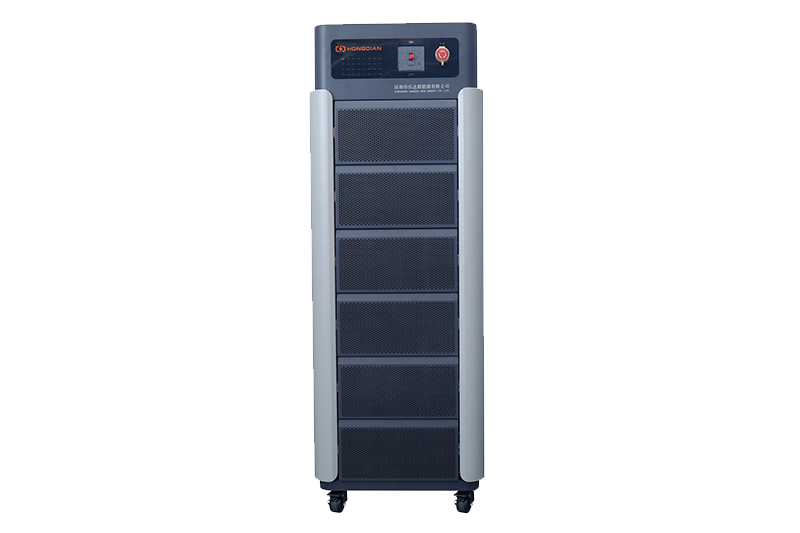 Precision Battery Test Racks for Cell Capacity & Internal Resistance Measurement
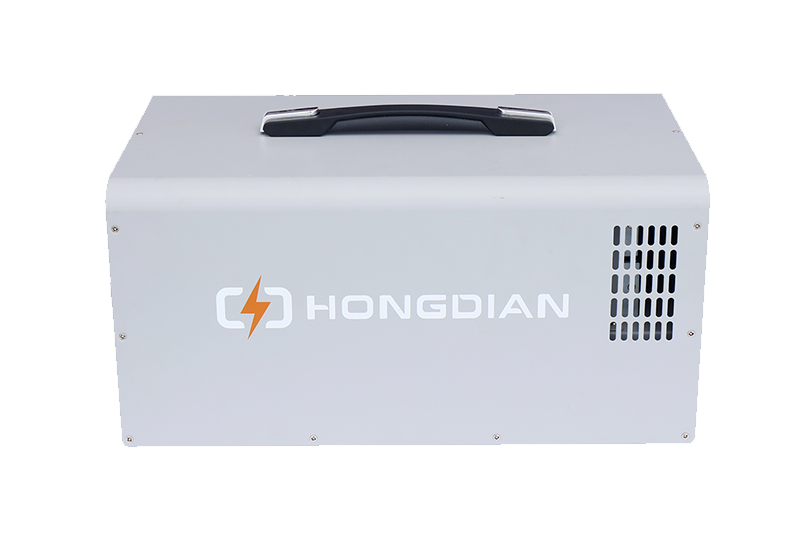 Multi-Channel Battery Testing Equipment for Parallel Performance Analysis