Top 10 Battery Testing Equipment Suppliers in China?
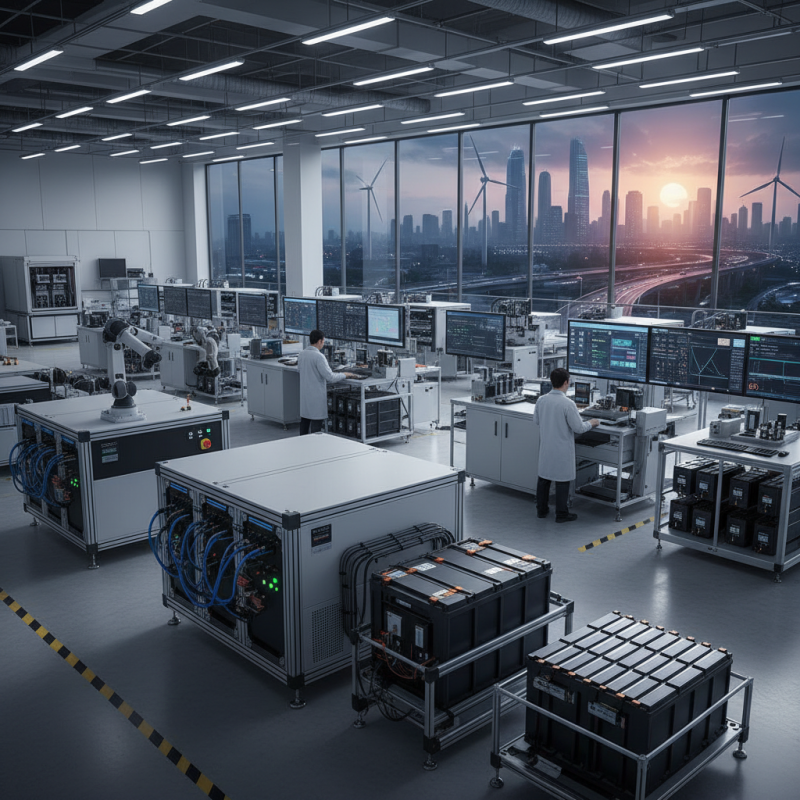
In recent years, the demand for Battery Testing Equipment has surged. As electric vehicles and renewable energy sources gain traction, accurate testing is essential. Manufacturers require reliable tools to ensure battery safety and efficiency.
China stands out as a major supplier in this field. The country houses numerous companies specializing in advanced Battery Testing Equipment. These suppliers cater to various industries, including automotive and energy. Identifying the top suppliers can significantly impact manufacturing processes and product quality.
However, not all suppliers are equal. Some may lack the necessary expertise or provide subpar products. It's crucial to research and assess their reliability and reputation in the market. Investing time in this process can lead to better partnerships and superior testing solutions.
Overview of Battery Testing Equipment and Its Importance
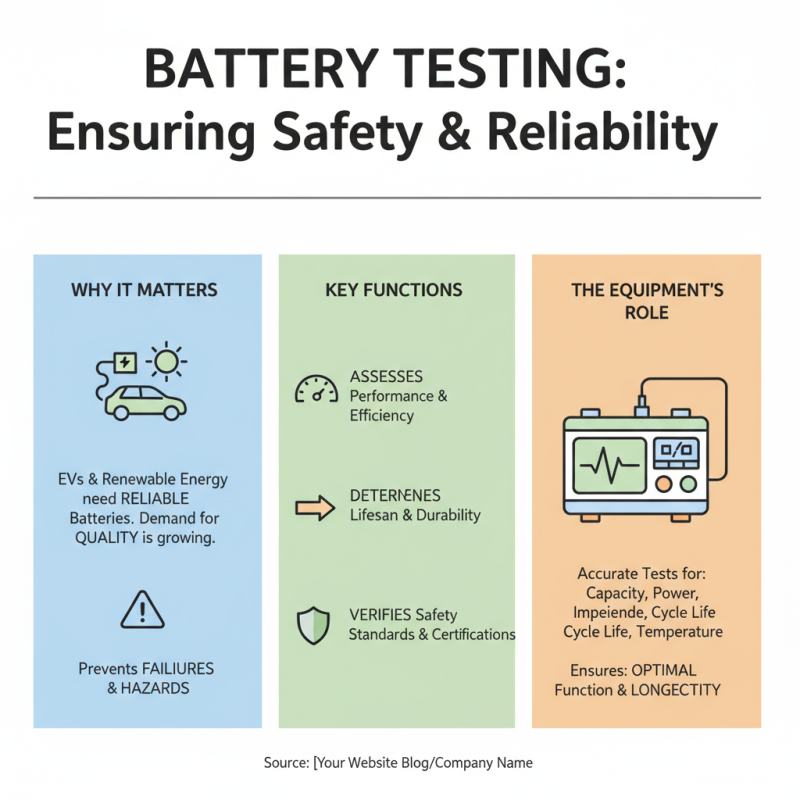
Battery testing equipment plays a crucial role in ensuring the safety and reliability of battery technologies. As electric vehicles and renewable energy solutions become more prevalent, the demand for high-quality batteries rises. Testing equipment helps assess battery performance, lifespan, and safety standards. Accurate tests prevent potential failures, which could result in dangerous situations.
Different types of battery testing equipment are available. These tools measure parameters like voltage, current, and capacity. Each device plays a specific role in the testing process. However, the calibration of testing equipment can often be inconsistent. This inconsistency may lead to varying results during evaluations. Users must be vigilant about maintaining their equipment for reliable readings.
Moreover, the importance of skilled technicians cannot be overstated. Proper training ensures accurate testing and interpretation of results. Yet, misinformation about battery testing can spread easily. Addressing this issue requires continuous education and updates on best practices. Overall, the ability to test batteries accurately shapes the industry’s growth and reliability.
Key Factors to Consider When Choosing Battery Testing Equipment Suppliers
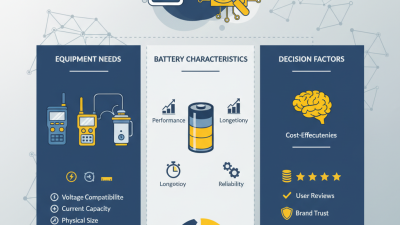
When selecting battery testing equipment suppliers, several key factors play a crucial role. First, assess their experience in the industry. A supplier with years of expertise is likely to understand the unique challenges of battery testing. Look for suppliers who have a strong track record in delivering reliable and accurate testing solutions.
Quality assurance is another essential consideration. Suppliers should provide certifications and validation for their equipment. This ensures that products meet industry standards and are reliable for your specific needs. Don't hesitate to request detailed specifications and test results.
Tip: Always ask for references from past clients. This can provide insight into their reliability and customer service.
Price also matters, but it should not be the only deciding factor. Balance cost with quality and service. A cheaper option may lead to compromises in quality, which could be detrimental in testing. Evaluate the overall package rather than just the upfront cost.
Tip: Consider long-term support and warranty options. A robust warranty can be a sign of a supplier's confidence in their product.
Finally, look at technological advancements. Suppliers who invest in the latest technology can offer you more precise and efficient testing methods. This feature can save time and reduce errors in your testing process. Always stay informed about the latest trends to make the best choice.
Top Suppliers of Battery Testing Equipment in China
The battery testing equipment market in China is rapidly evolving. With the rise of electric vehicles and renewable energy sources, demand for reliable testing equipment is higher than ever. According to a recent industry report, the battery testing equipment market is projected to grow by 15% annually through 2025. This trend drives innovation and competition among suppliers.
Top suppliers offer various testing solutions, including capacity, cycle life, and safety tests. Equipment varies from small-scale testers to large automated systems. Many suppliers emphasize the importance of precision. Accurate testing is crucial to ensure battery longevity and safety. However, some equipment may lack built-in safety features, which raises concerns.
Additionally, the industry faces challenges like fluctuating material costs and regulatory compliance. Suppliers must adapt to these dynamics. Some companies struggle to meet the rising standards of quality and safety. Continuous improvement and investment in research are essential. The reliable testing of batteries will shape the future of electric mobility and energy storage in the coming years.
Battery Testing Equipment Market in China
This bar chart illustrates the demand for various types of battery testing equipment in China. Each type of test represents a critical aspect of battery performance and quality assurance.
Comparative Analysis of Battery Testing Equipment Features
When it comes to battery testing equipment, choosing the right supplier is crucial. The features of these devices can vary significantly. A recent market report highlighted that around 70% of battery manufacturers prioritize accuracy and reliability in their testing tools. The demand for comprehensive testing solutions is growing, driven by the booming electric vehicle sector.
Most testing equipment focuses on voltage, capacity, and impedance analysis. Accurate impedance measurements can detect potential failures early. This capability is vital, as a significant number of battery failures stem from internal resistance issues. Moreover, expedited testing processes are now expected. Some suppliers offer automation that reduces testing time by up to 50%.
Energy density testing is another critical feature. A report from the International Battery Association states that over 40% of battery innovations depend on effective energy density assessments. However, many testing devices still struggle with consistency across varying temperatures. This inconsistency can lead to misleading results, highlighting a gap in current technology. Addressing these shortcomings will be essential for advancing battery safety and performance.
Top 10 Battery Testing Equipment Suppliers in China - Comparative Analysis of Battery Testing Equipment Features
| Supplier Rank |
Equipment Type |
Max Voltage (V) |
Max Current (A) |
Measurement Accuracy |
Key Features |
| 1 |
Battery Capacity Tester |
100 |
50 |
±0.5% |
High precision, user-friendly interface |
| 2 |
Battery Cycle Tester |
120 |
100 |
±1% |
Automated cycling, data logging capabilities |
| 3 |
Battery Discharge Tester |
60 |
80 |
±0.2% |
Supports various battery types, real-time monitoring |
| 4 |
Battery Impedance Tester |
40 |
30 |
±1.5% |
Fast measurement, portable design |
| 5 |
Battery Analyzer |
80 |
60 |
±0.5% |
Comprehensive data analysis, intuitive software |
| 6 |
EV Battery Tester |
200 |
150 |
±1% |
Dedicated for electric vehicles, high load capabilities |
| 7 |
Battery Load Tester |
75 |
40 |
±3% |
User-friendly, rugged design for field use |
| 8 |
Battery Safety Tester |
120 |
50 |
±2% |
Compliance testing, multiple safety tests |
| 9 |
Battery Charger Tester |
90 |
60 |
±1% |
Smart charging functions, energy-efficient |
| 10 |
Battery Simulation Tester |
150 |
100 |
±0.5% |
Simulation of various battery conditions, advanced analytics |
Future Trends in Battery Testing Equipment Supply in China
Battery testing equipment in China is evolving rapidly.
The push for electric vehicles and renewable energy is driving this transformation. Companies are investing heavily in research and development. This is leading to innovative testing solutions that enhance efficiency.
Future trends indicate a shift towards automation and integration. Smart testing equipment will dominate the market. It allows for real-time data collection and analysis. This can improve quality control processes significantly. However, challenges remain in adapting existing technology. Many companies are still reliant on outdated equipment.
Sustainability is another crucial factor. Battery testing equipment must comply with stricter environmental regulations. This requires manufacturers to rethink their materials and processes. While progress is being made, achieving sustainability is complex. There are still many questions to address.
Overall, the landscape of battery testing equipment in China is dynamic and will continue to evolve in response to these trends.

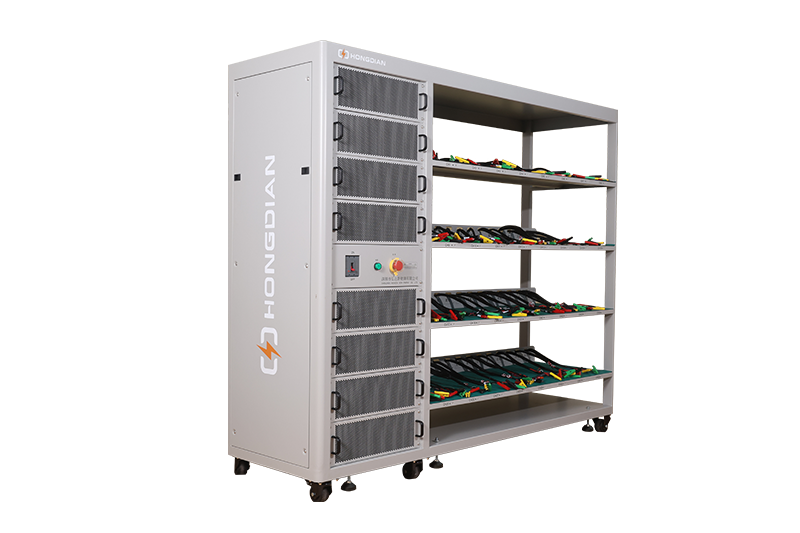 32/48 channel battery charging and discharging test integrated battery cabinet
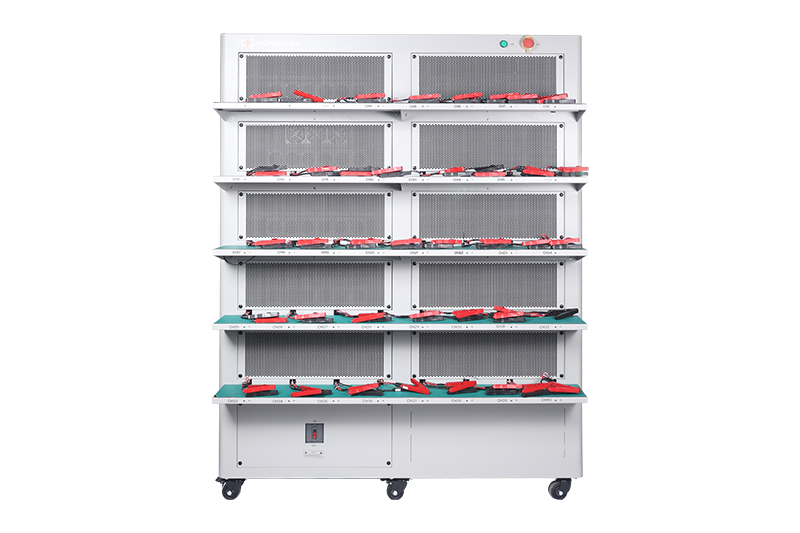 40 channel battery charging and discharging test integrated battery cabinet
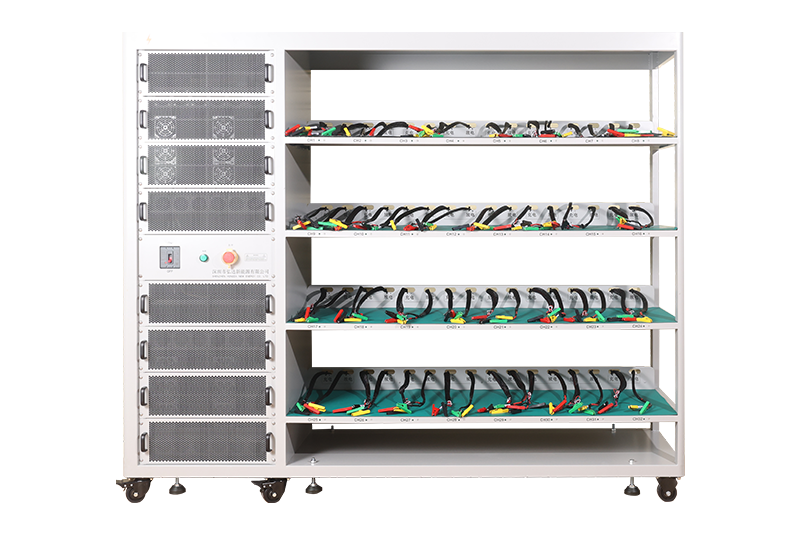 64 channel battery charging and discharging test integrated battery cabinet
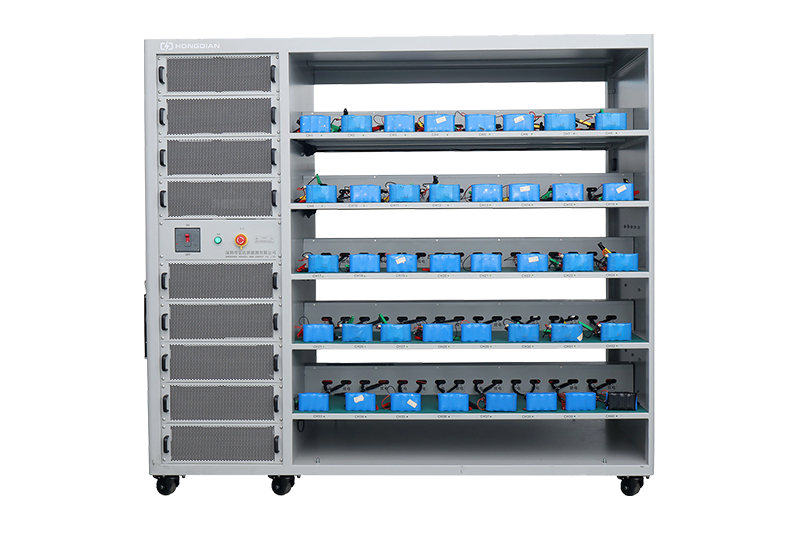 80 channel battery charging and discharging test integrated battery cabinet
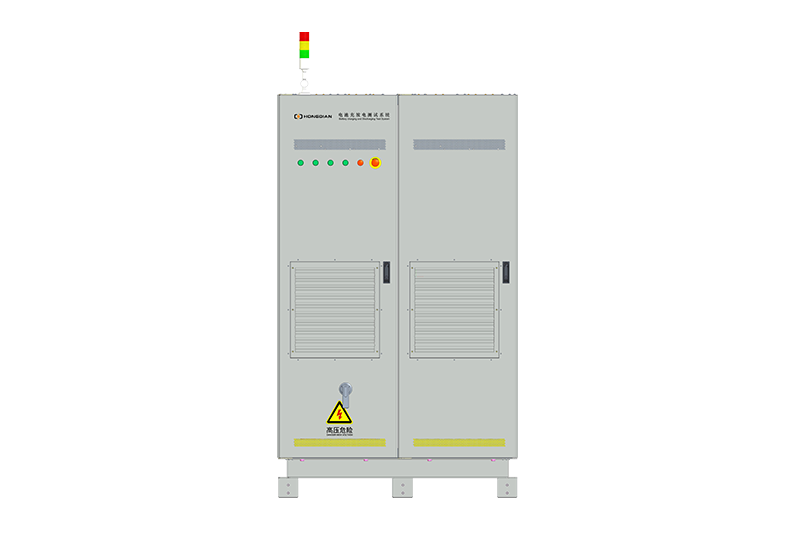 1000V-1500V High Voltage High Current Battery Testing System
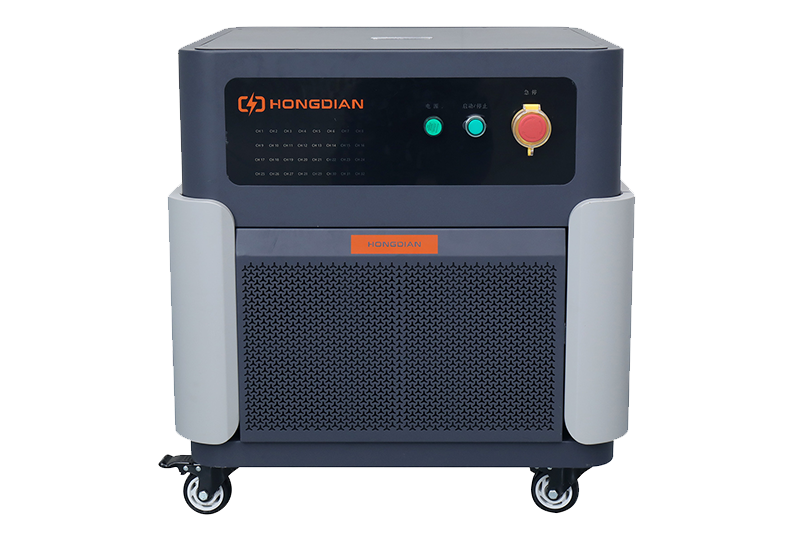 High-Precision Battery Testing System for Enhanced Performance Monitoring 30V/60V/100V/120V
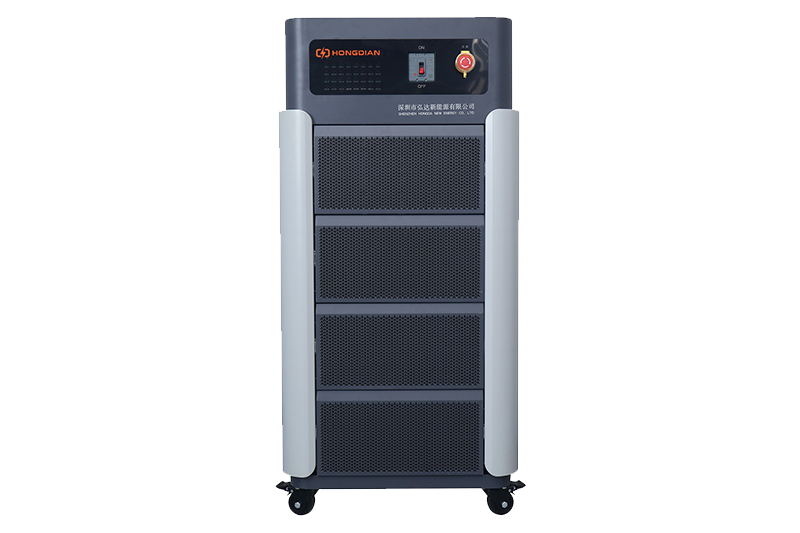 High-Precision Battery Charge Discharge Test Systems for EV Manufacturers
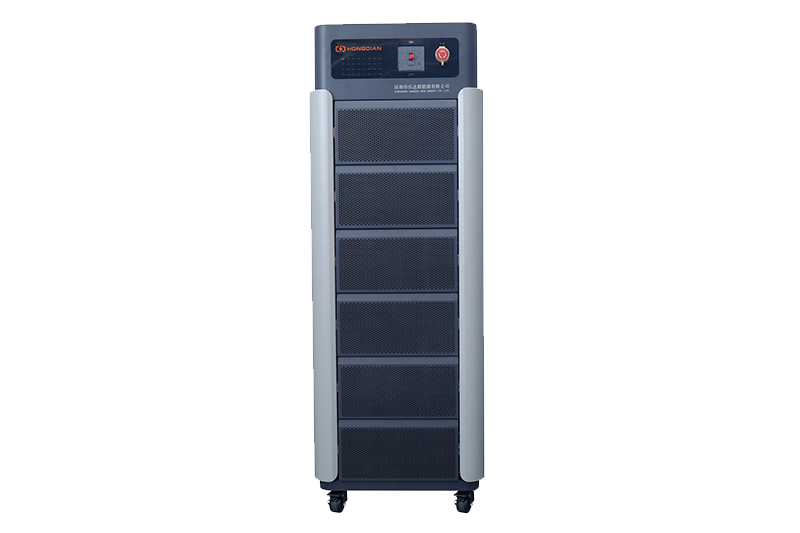 Precision Battery Test Racks for Cell Capacity & Internal Resistance Measurement
 Multi-Channel Battery Testing Equipment for Parallel Performance Analysis