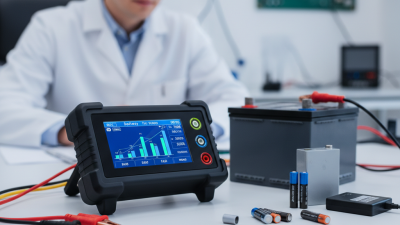
Top 10 Battery Testing Machine Manufacturers You Should Know?
In today's world, energy storage solutions are essential. Battery Testing Machines play a crucial role in this sector. They ensure reliability and performance in batteries used across various industries. The demand for these machines is growing rapidly.
Choosing the right manufacturer can be daunting. Many companies offer diverse solutions, but not all guarantee quality and consistency. Understanding their capabilities is vital. A trustworthy Battery Testing Machine manufacturer should have a solid track record. They must provide accurate testing for lithium-ion, lead-acid, and other types of batteries. Relying on established brands can save time and resources.
As we explore the top ten manufacturers, we should also consider our unique needs. Some might excel in innovation but lag in service. Others could have a strong reputation but limited product ranges. Balancing these factors will lead to better decisions. Finding the perfect Battery Testing Machine is not just about brand names. It’s about matching the right technology with specific requirements.
Overview of Battery Testing Machines and Their Importance
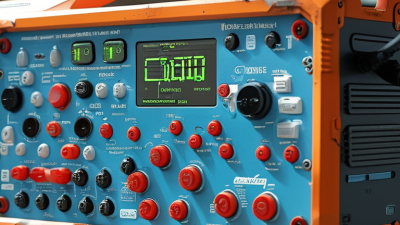
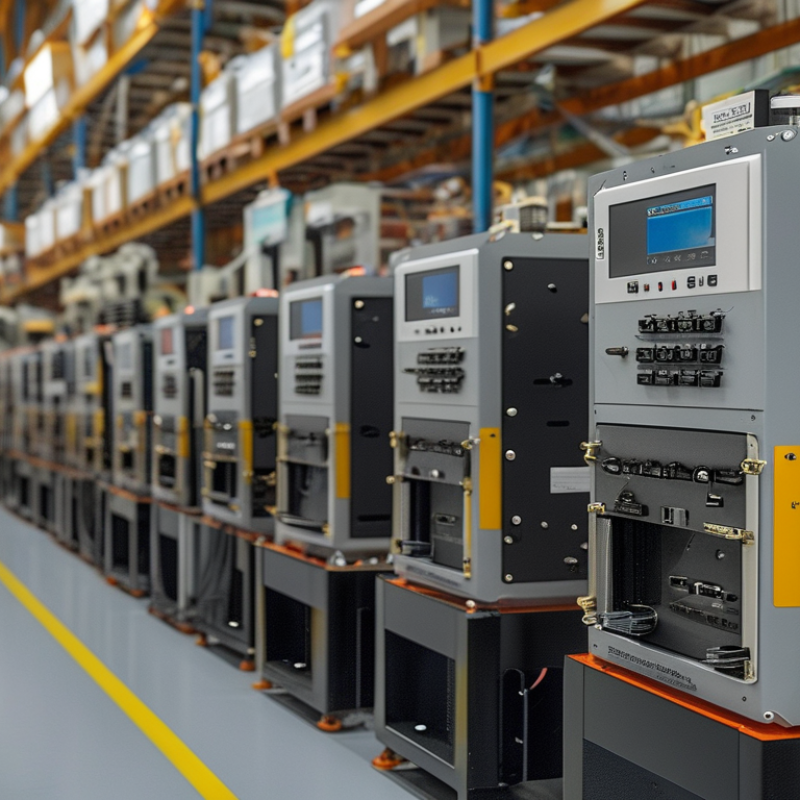
Battery testing machines are crucial tools in the manufacturing and quality assurance of batteries. They help assess the performance, reliability, and safety of batteries, ensuring they meet standards. After all, batteries are essential in powering many devices, from smartphones to electric vehicles. Reliable testing is vital to guarantee safety and longevity.
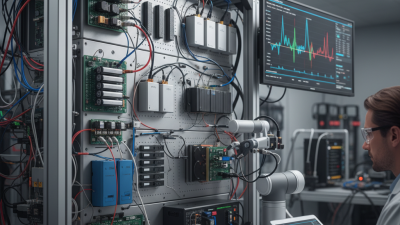
These machines simulate various conditions to monitor battery behavior. This includes stress tests, temperature variations, and cycling tests. Understanding how batteries react under these conditions can reveal potential issues. However, not all testing machines provide accurate results. Some may have limitations that manufacturers need to recognize.
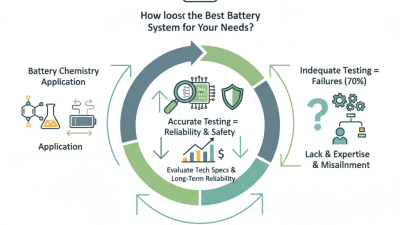
In an ever-evolving market, the importance of high-quality testing can't be understated. Poor testing might lead to battery failures and safety hazards. It impacts customer trust and brand reputation. A deep understanding of battery testing processes is essential for manufacturers to choose the right equipment. As technology progresses, so too must the methods of testing. Manufacturers need to adapt and innovate within this field.
Battery Testing Machines Overview
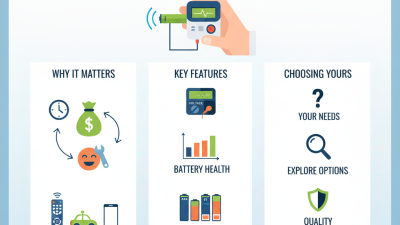
Key Features to Consider When Selecting a Battery Testing Machine
When selecting a battery testing machine, several key features are critical. Accuracy is paramount. A good testing machine should provide precise measurements of voltage, current, and capacity. This ensures reliable results in evaluating battery performance. Speed is another factor to consider. A fast testing process can significantly enhance productivity, especially in high-volume applications.
User interface plays a crucial role as well. Look for machines with intuitive controls and clear displays. This can simplify operation and reduce errors. Consider data management capabilities too. Advanced machines offer connectivity options for data transfer, analysis, and storage. This can provide valuable insights into battery lifecycle and performance trends.
Cost should not overshadow reliability. A lower price might mean sacrificing quality. Assess the durability of the device. A robust construction ensures longevity and less downtime. Reflect on service support. Check if the manufacturer offers training and maintenance. This can be a key aspect in ensuring smooth operations over time.
Top 10 Battery Testing Machine Manufacturers You Should Know
| Manufacturer |
Key Features |
Testing Range |
Technology Used |
Support & Warranty |
| Manufacturer A |
Precision testing, automated cycle testing |
0 - 100 Ah |
Electrochemical Impedance Spectroscopy (EIS) |
2 years warranty, online support |
| Manufacturer B |
Fast charge/discharge testing, data logging |
1 - 200 Ah |
Constant Current/Constant Voltage (CC/CV) |
1 year warranty, phone support |
| Manufacturer C |
Multichannel testing, safety features |
5 - 500 Ah |
Programmable Testing Algorithms |
3 years warranty, 24/7 support |
| Manufacturer D |
Compact design, mobile app integration |
0 - 50 Ah |
Smart Measurement Technology |
1.5 years warranty, email support |
| Manufacturer E |
High accuracy, modular hardware |
10 - 1000 Ah |
Digital Signal Processing (DSP) |
2 years warranty, chat support |
Top 10 Battery Testing Machine Manufacturers Worldwide
Battery testing machines play a crucial role in ensuring the quality and performance of batteries, especially in the rapidly evolving energy sector. According to recent market analysis, the global battery testing equipment industry is expected to grow at a compound annual growth rate (CAGR) of 8.4% from 2021 to 2026. This growth is largely driven by the increasing demand for electric vehicles and renewable energy storage solutions. Manufacturers are tasked with creating more efficient machines that can handle various battery types, including lithium-ion and lead-acid.
One of the key challenges in battery testing is achieving accuracy and reliability in measurements. Industry reports indicate that even minor errors in testing can lead to significant safety issues, regulatory penalties, and financial losses. Additionally, advances in technology are pushing the need for machines that not only test but also provide detailed analytics. As manufacturers strive for innovation, they often face the dilemma of balancing cost-effectiveness with advanced features.
Furthermore, the landscape of battery testing is not without its hurdles. Some machines may lack the versatility required to accommodate new battery chemistries. This highlights the necessity for continuous improvement and adaptation within the manufacturing sector. As the industry evolves, staying ahead of varying testing standards and compliance requirements will be essential for manufacturers aiming to maintain their competitive edge.
Comparative Analysis of Leading Battery Testing Machine Brands
In the rapidly evolving world of battery technology, choosing the right testing machine is crucial. These machines play a vital role in ensuring the performance and safety of batteries. Understanding the key features of various brands is essential for making informed decisions. Leading manufacturers often offer unique capabilities, which can influence outcomes in battery testing.
When evaluating battery testing machines, consider accuracy, speed, and user-friendly interfaces. Accuracy ensures reliable data, while speed increases testing efficiency. A machine that is straightforward to operate can reduce training time for technicians. Performance consistency should also be a key factor. Machines may display varying results under similar conditions.
Tips: Check for calibration options. Regular maintenance improves longevity. It’s also wise to read user reviews and analyze operator experiences. Some features may work well in theory but fall short in real-world applications. Assessing long-term service support is crucial for uninterrupted operations. Gathering detailed specifications before making a purchase can mitigate potential issues later.
Future Trends in Battery Testing Technology and Manufacturer Innovations
The future of battery testing technology is rapidly evolving. As electric vehicles and renewable energy grow, manufacturers face increasing demands for precision and efficiency. An industry report noted that the global battery testing market is projected to reach USD 1.2 billion by 2025. This surge indicates a need for advanced testing machines that can assess battery performance accurately.
Innovations in automation and artificial intelligence are shaping the testing landscape. Recent developments allow for real-time monitoring of battery conditions. Additionally, technologies like machine learning enable predictive analysis for battery life and efficiency. These advancements can ultimately reduce costs and improve the reliability of batteries.
However, challenges persist. There are still gaps in standardization across different testing methods. This lack of consistency can lead to discrepancies in performance data. As manufacturers strive for innovation, addressing these issues remains critical. Continuous feedback from testing processes will enhance battery reliability in the long run. This reflects the importance of integration between technology and manufacturing practices.

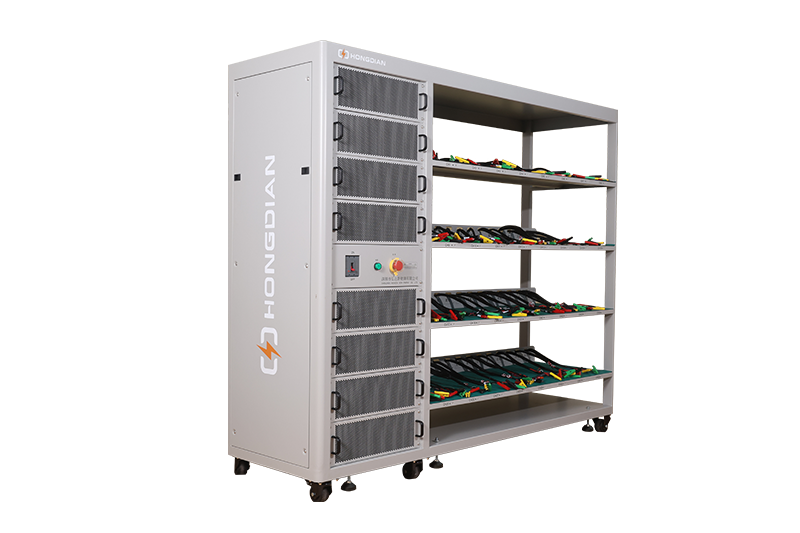 32/48 channel battery charging and discharging test integrated battery cabinet
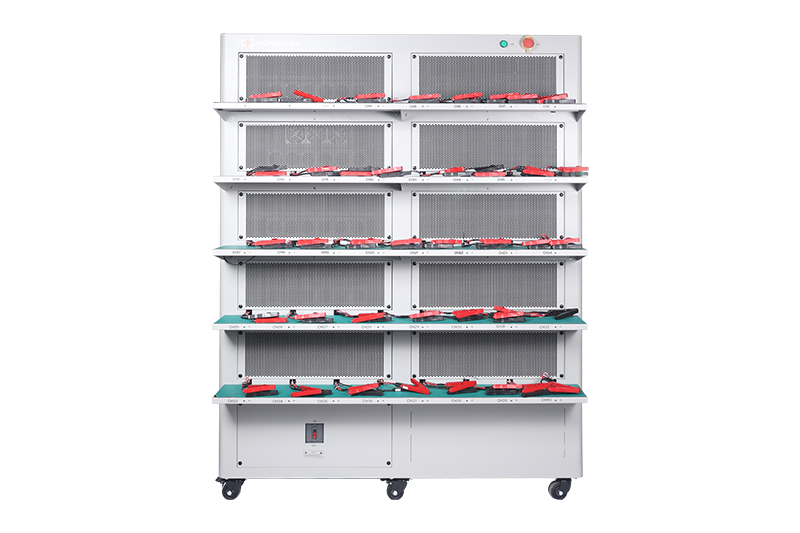 40 channel battery charging and discharging test integrated battery cabinet
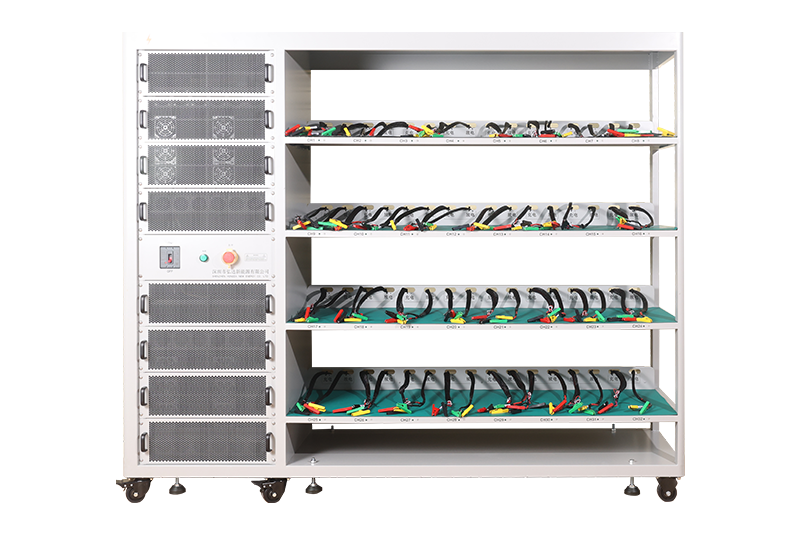 64 channel battery charging and discharging test integrated battery cabinet
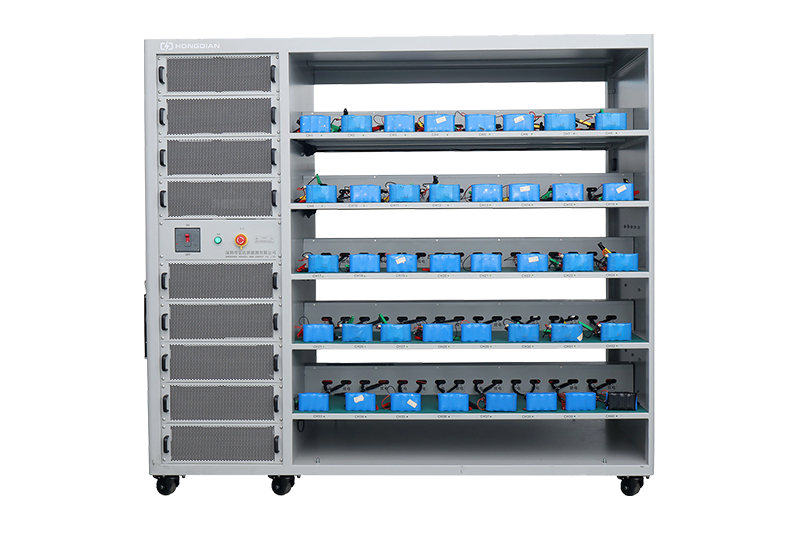 80 channel battery charging and discharging test integrated battery cabinet
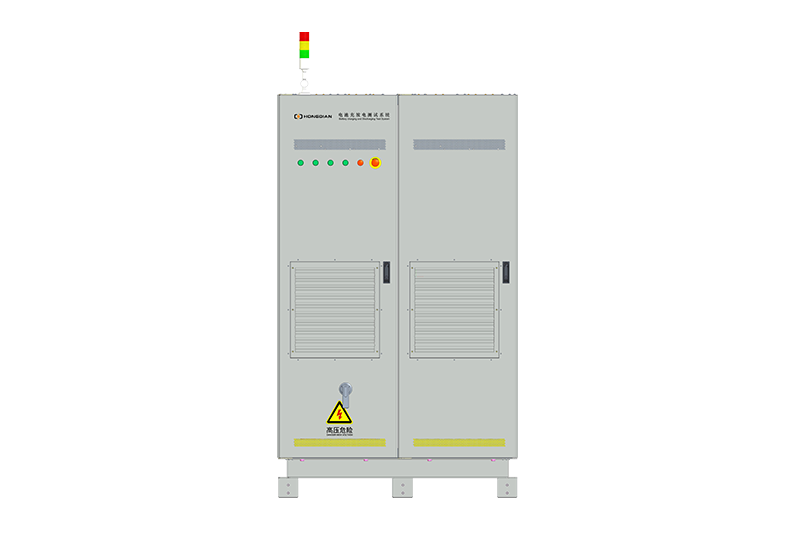 1000V-1500V High Voltage High Current Battery Testing System
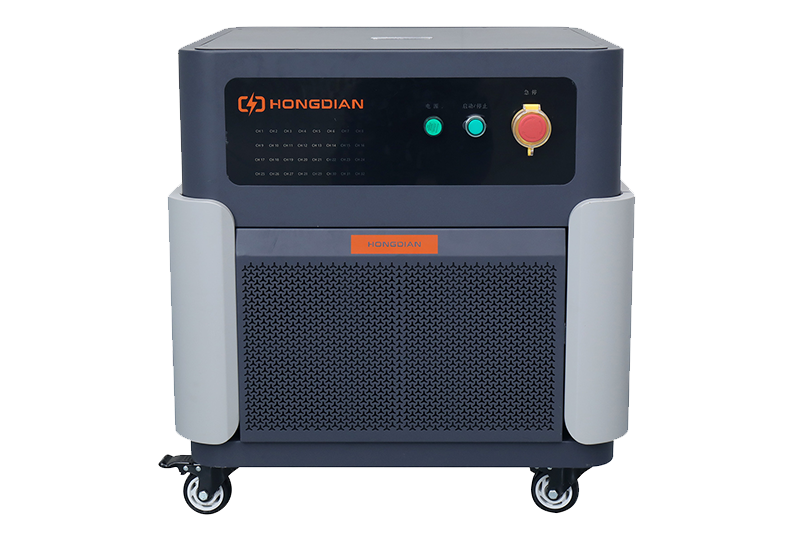 High-Precision Battery Testing System for Enhanced Performance Monitoring 30V/60V/100V/120V
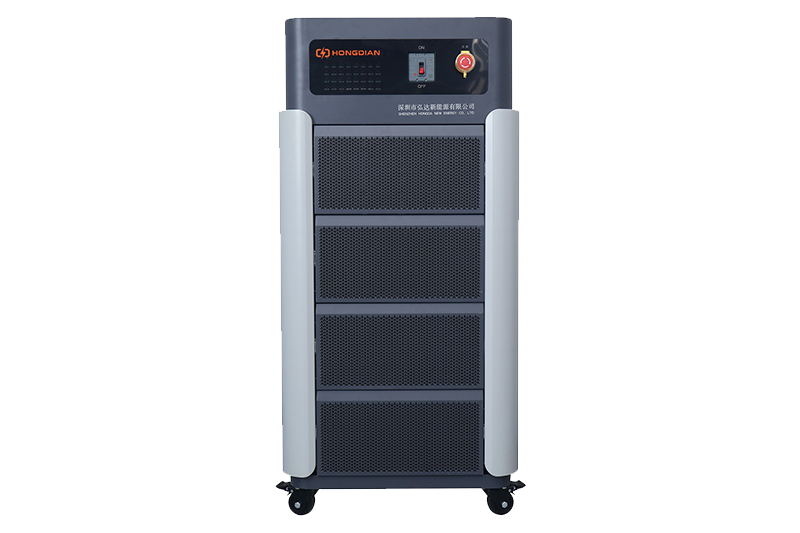 High-Precision Battery Charge Discharge Test Systems for EV Manufacturers
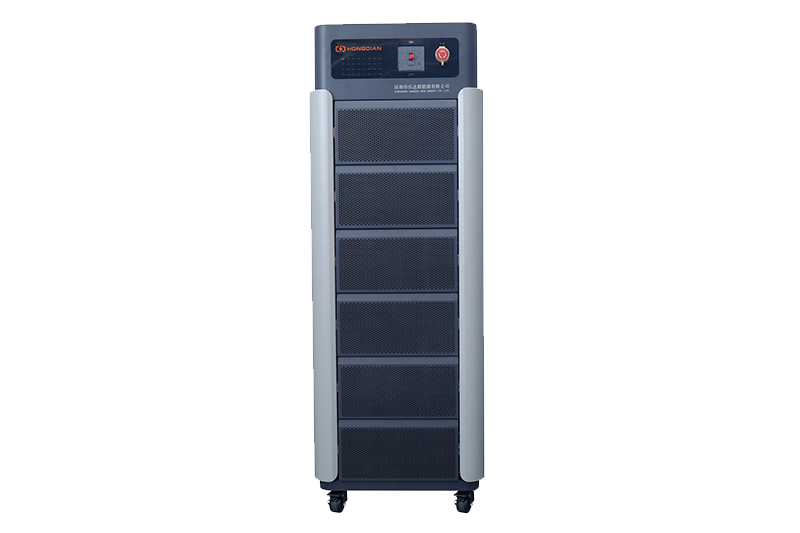 Precision Battery Test Racks for Cell Capacity & Internal Resistance Measurement
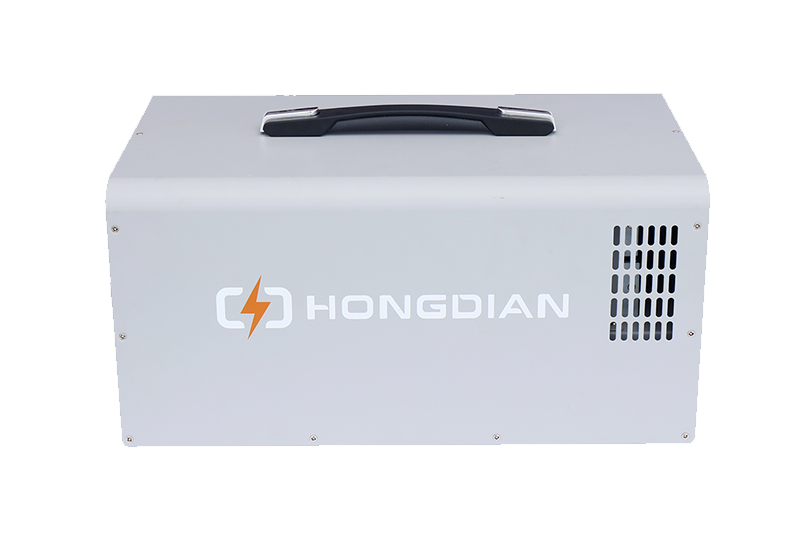 Multi-Channel Battery Testing Equipment for Parallel Performance Analysis