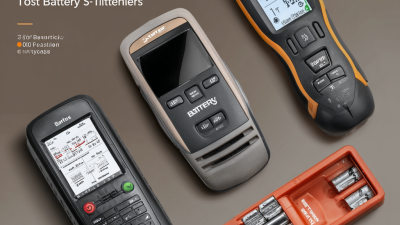
Top 5 Tips for Using High Rate Discharge Tester Effectively?
In the realm of battery testing, the "High Rate Discharge Tester" is a vital tool. Experts emphasize its importance for accurate evaluations. Dr. Emily Carter, a leading authority in battery technology, stated, "The effectiveness of a High Rate Discharge Tester can significantly impact performance assessments." Her insight underscores why mastering this tool is essential.
Using the High Rate Discharge Tester requires knowledge and precision. It is not merely about connecting cables and pressing buttons. For reliable results, consider environmental factors, such as temperature and humidity. These elements can influence discharge rates, leading to skewed data.
Furthermore, calibration is crucial. An improperly calibrated tester can yield misleading information. Users must regularly verify their equipment to ensure accuracy. Understanding common pitfalls can enhance testing outcomes. Engaging with experienced colleagues can help mitigate errors. Ultimately, using the High Rate Discharge Tester effectively is a blend of skill and understanding, ensuring dependable results in battery evaluation.
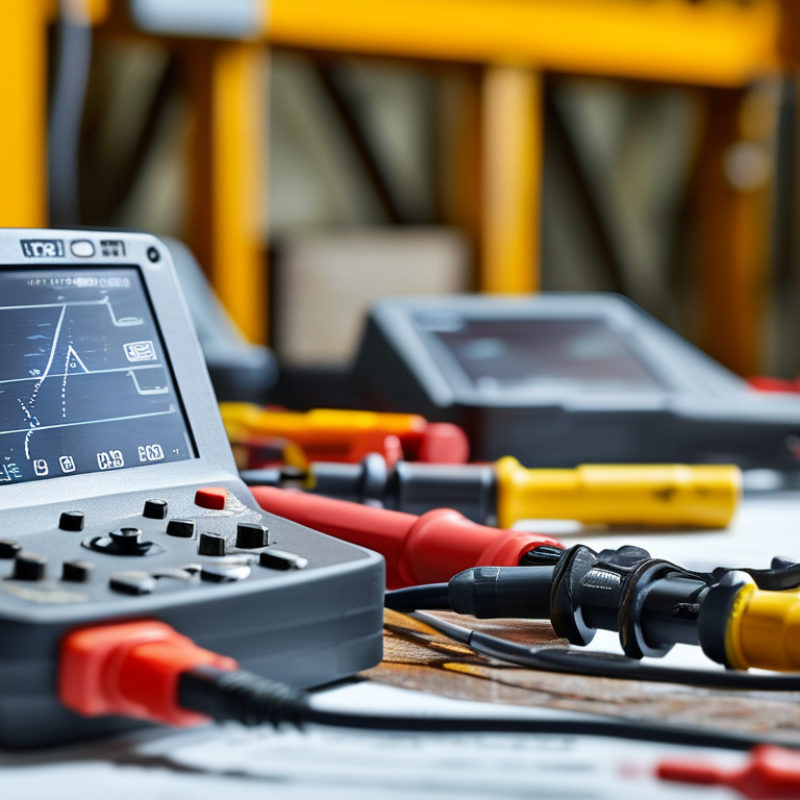
Understanding High Rate Discharge Testers: Purpose and Applications
High rate discharge testers play a crucial role in evaluating battery performance. They measure how well a battery can deliver energy under rapid discharge conditions. Such testing is vital for applications in electric vehicles, renewable energy storage, and consumer electronics.
According to a report by the International Battery Association, high-rate discharge tests can reveal insights into the battery's thermal stability and lifespan. For example, a battery that performs well in high-rate discharge tests often indicates better efficiency and reliability in practical scenarios. However, not all batteries are created equal, and some may struggle under these conditions.
Testing procedures may vary widely. Operators often face challenges, such as inconsistent results due to temperature fluctuations. Additionally, the tester's calibration must be precise. Selecting the right testing parameters is essential. Finding a balance between discharge rate and testing time can greatly impact the accuracy of results. Proper interpretation of these results is equally important. Only with a comprehensive understanding can one assess a battery's viability for demanding applications effectively.
Top 5 Tips for Using High Rate Discharge Tester Effectively
| Tip |
Description |
Application |
| 1. Select Proper Load |
Ensure the load matches the battery specifications to prevent damage. |
Used in testing battery discharge rates in electric vehicles. |
| 2. Monitor Temperature |
Keep the battery at a stable temperature to ensure accurate readings. |
Critical in aerospace battery testing. |
| 3. Regular Calibration |
Calibrate the tester regularly to maintain measurement accuracy. |
Applicable in laboratory settings for research and development. |
| 4. Understand Discharge Profiles |
Know the discharge curve of the battery for better analysis. |
Useful in energy storage systems analysis. |
| 5. Document Test Results |
Keep records of all tests for trends and performance monitoring. |
Essential in industrial applications for quality assurance. |
Key Specifications to Consider When Selecting a High Rate Discharge Tester
When selecting a high rate discharge tester, several key specifications demand attention. The discharge rate is vital; it influences the accuracy of data obtained during testing. A rate of up to 20C is common for many applications, allowing for realistic simulation of real-world battery use. Industry reports indicate that proper rate selection can enhance overall performance and battery lifespan by up to 30%.
Another important specification is voltage range. The tester should cover your battery's operating voltage. For lithium-ion batteries, this typically ranges from 3.0V to 4.2V. Precision at both high and low voltage levels ensures reliable results. Additionally, capacity measurement is crucial. A tester must accurately measure capacity in mAh to establish battery health. Discrepancies here can lead to misinterpretations and poor investment decisions.
Temperature management also plays a role in effective testing. Operating outside the recommended temperature range can yield inaccurate results. Reports suggest that temperature fluctuations above 25°C can impact discharge characteristics by up to 15%. Pay attention to the cooling mechanism of the tester. This ensures consistent performance, especially during extended testing periods.
Best Practices for Preparing Test Samples for Accurate Results
When preparing test samples for high rate discharge testing, attention to detail is essential. Start by selecting the right materials. Ensure they are of high quality and suitable for your specific application. This selection impacts the accuracy of results. Additionally, samples should be uniform in size and weight. Small variations can lead to discrepancies, affecting reliability.
Next, consider environmental factors. Temperature and humidity can influence test outcomes. It's wise to perform tests in a controlled environment. This minimizes external influences, providing more consistent results. Moreover, handling samples with care is crucial. Use gloves to prevent contamination. Even small oils from your hands can skew results significantly.
Finally, record everything meticulously. Document each step taken during sample preparation. This transparency helps in evaluating the results later. Reflecting on past tests can also highlight areas for improvement. There’s always room to refine processes, ensuring even more reliable outcomes next time.
Interpreting Test Data: Metrics for Evaluating Battery Performance
To effectively interpret test data from high rate discharge testers, understanding key metrics is crucial. Metrics such as voltage drop, capacity fade, and internal resistance give insights into battery performance. Analyzing these figures helps identify trends and anomalies. For example, if voltage drops sharply under load, it may indicate issues with battery health.
When using a high rate discharge tester, pay attention to the discharge rate. A higher discharge rate reveals how well a battery can perform under stress. Testing at multiple rates provides a broader perspective. Ensure your testing conditions are consistent. Variations can lead to misleading results. Furthermore, documenting environmental factors during tests can enhance data reliability.
Remember that reading data requires a critical eye. Not all results may tell a positive story. Look for discrepancies and patterns over time. Identify when capacity fades significantly. Addressing these issues early can prevent larger failures. Keep in mind that battery performance can be unpredictable. Regular testing and evaluation are necessary for long-term reliability.
Safety Protocols and Maintenance Tips for High Rate Discharge Testers
When using high rate discharge testers, safety protocols are paramount. Always wear appropriate personal protective equipment. This includes safety goggles and gloves to protect against accidental splashes or sparks. Never bypass safety features on the equipment. A moment of carelessness can lead to serious injuries or damage.
Regular maintenance is crucial for optimal performance. Schedule routine inspections of cables and connectors. Look for any signs of wear or damage. Over time, connectors may get loose or frayed, impacting their effectiveness. Use a multimeter to check for proper voltage readings. This helps in identifying potential issues before they escalate.
Proper storage of testers is also important. Store them in a cool, dry place to avoid moisture damage. Ensure that the device is clean and free of dust. Regular cleaning can prevent malfunctions during operation. Be mindful of the user manual for specific maintenance tips. Following these guidelines can enhance reliability and longevity of the equipment. Always remember that careful handling truly makes a difference.

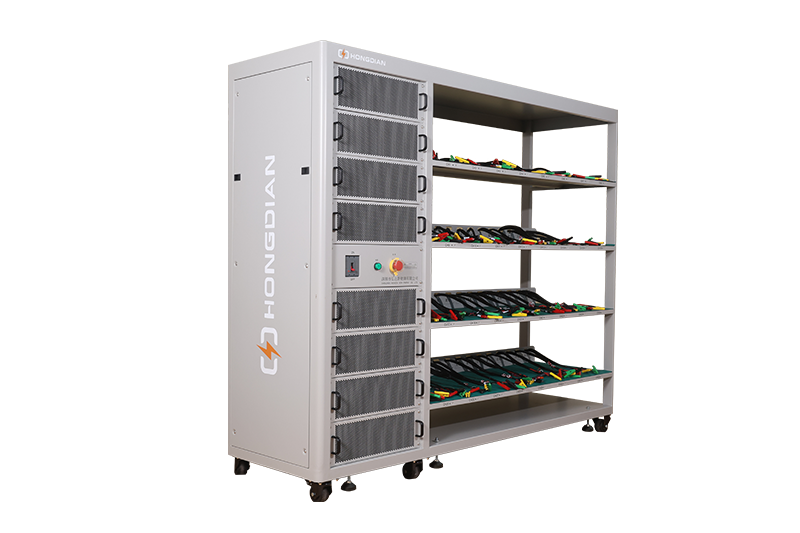 32/48 channel battery charging and discharging test integrated battery cabinet
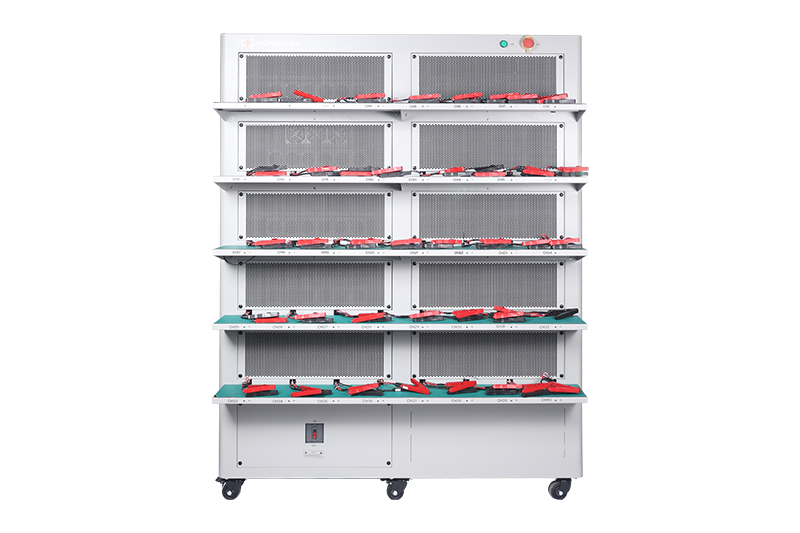 40 channel battery charging and discharging test integrated battery cabinet
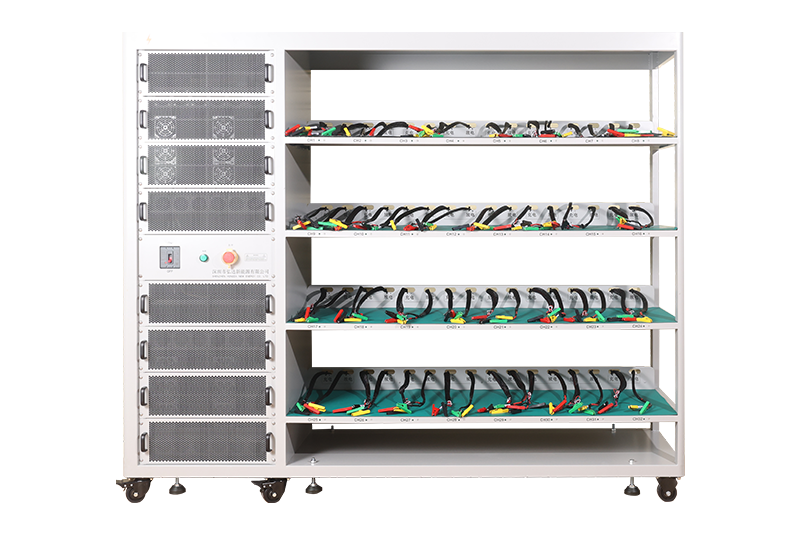 64 channel battery charging and discharging test integrated battery cabinet
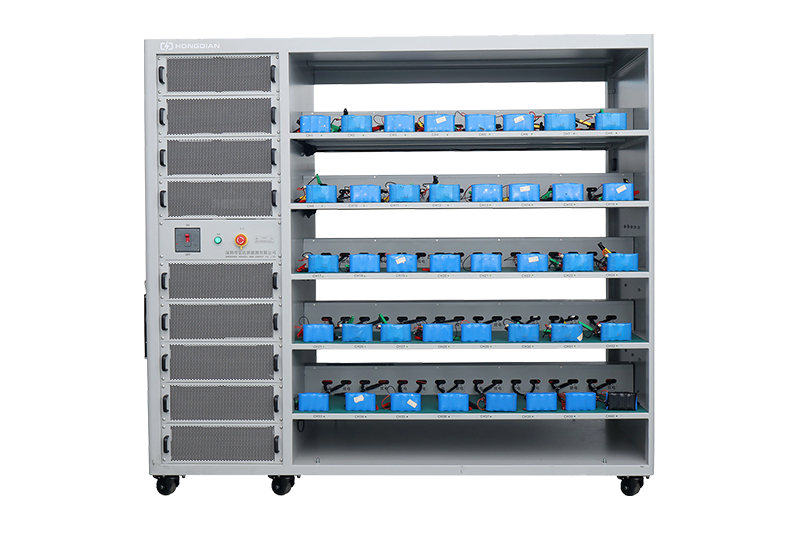 80 channel battery charging and discharging test integrated battery cabinet
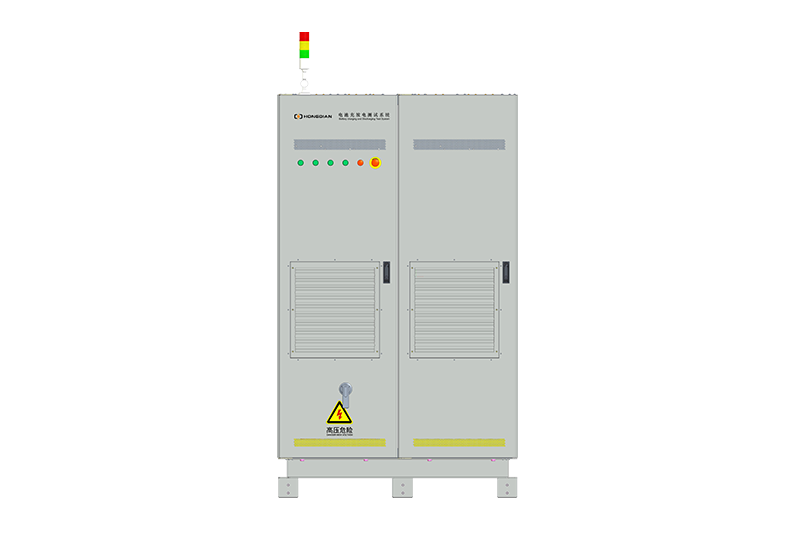 1000V-1500V High Voltage High Current Battery Testing System
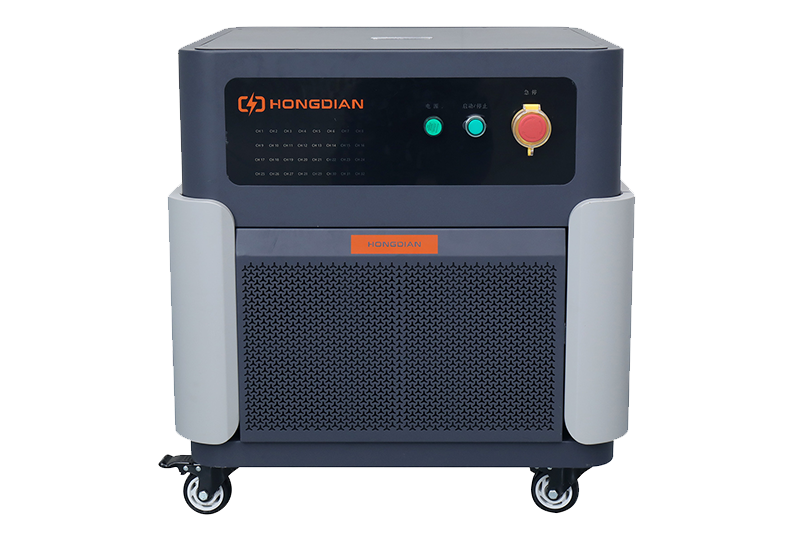 High-Precision Battery Testing System for Enhanced Performance Monitoring 30V/60V/100V/120V
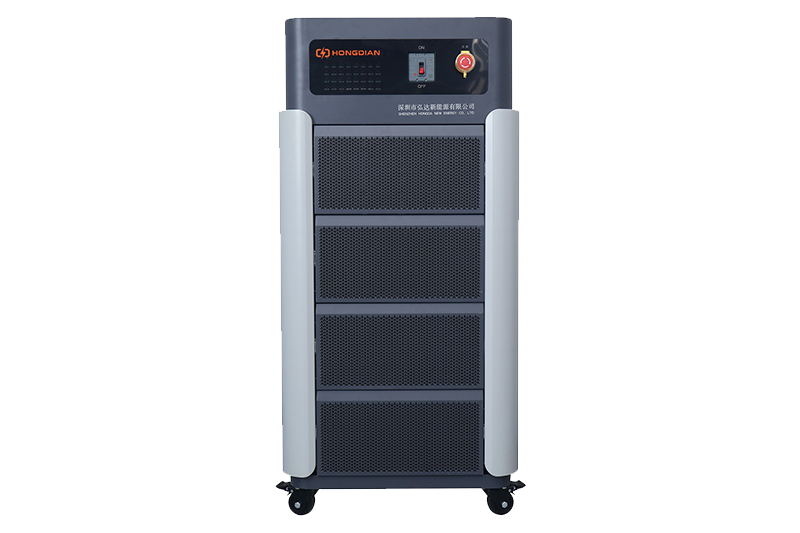 High-Precision Battery Charge Discharge Test Systems for EV Manufacturers
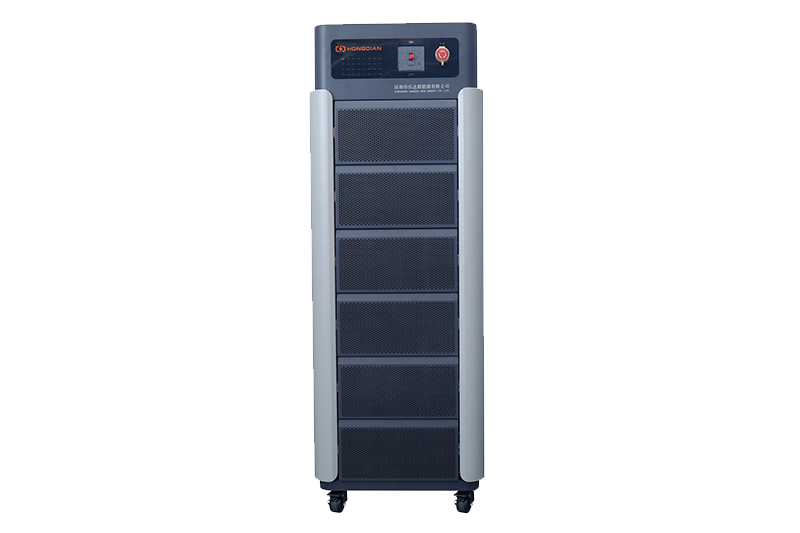 Precision Battery Test Racks for Cell Capacity & Internal Resistance Measurement
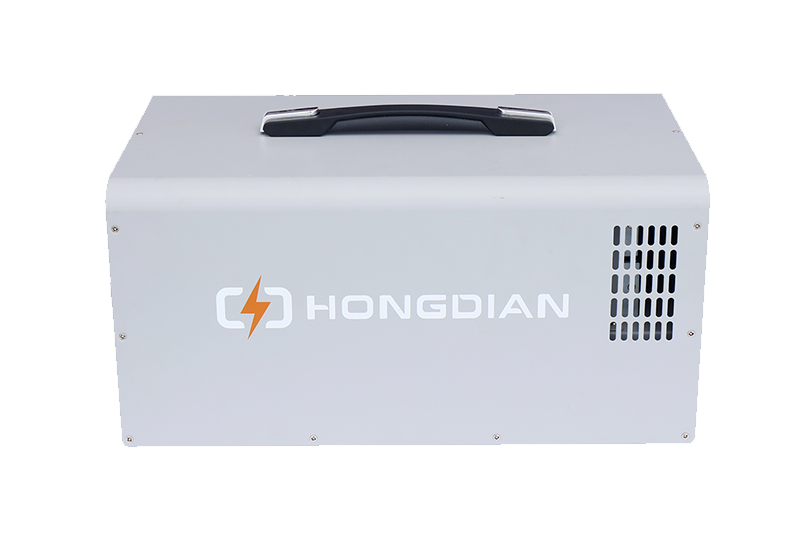 Multi-Channel Battery Testing Equipment for Parallel Performance Analysis