What is a Battery Performance Tester and How Does It Work?
In the evolving tech landscape, understanding a Battery Performance Tester has become crucial. John Smith, a leading expert in battery technologies, states, "The accuracy of battery performance testing can significantly impact efficiency." This reflects the importance of reliable testing in enhancing battery life and performance.
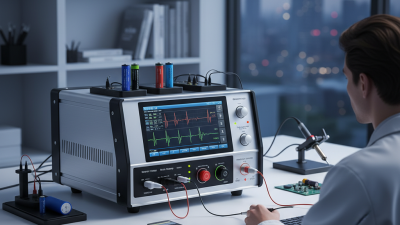
A Battery Performance Tester evaluates a battery's capability under various conditions. It assesses capacity, charge cycles, and discharge rates. Accurate tests provide invaluable insights, enabling manufacturers to improve their products. However, many users overlook subtle variations in their testing methods. This can lead to misleading results and poor battery management.
Moreover, the sophistication of these testers varies greatly. Some are user-friendly, while others require a deep understanding of battery chemistry. This complexity can sometimes discourage new users. Reflecting on your experience with battery testing tools might reveal gaps in knowledge. Fostering a culture of learning about Battery Performance Testers is essential for industry advancement.
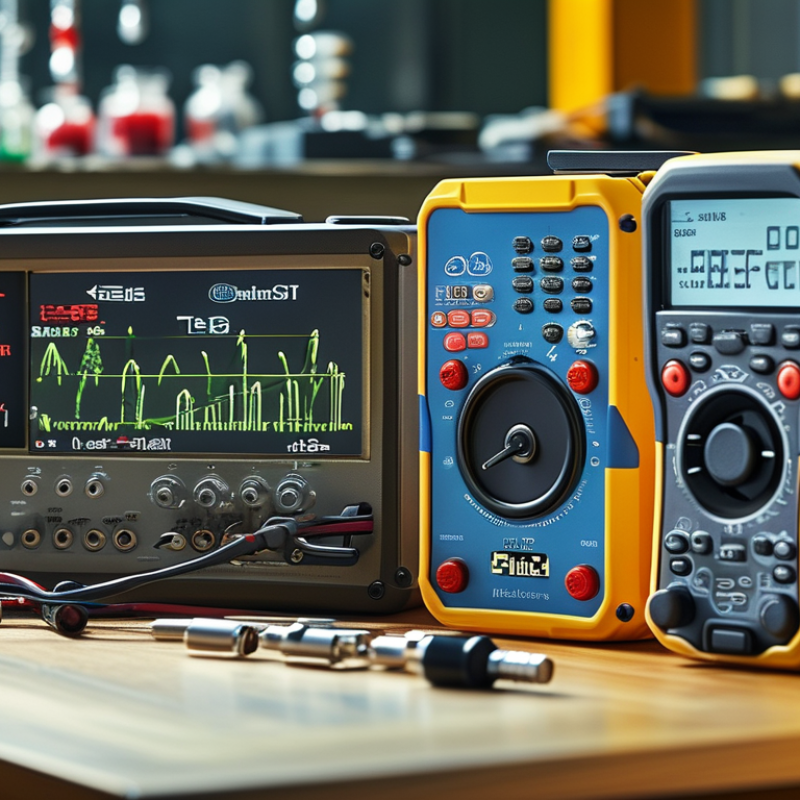
What is a Battery Performance Tester?
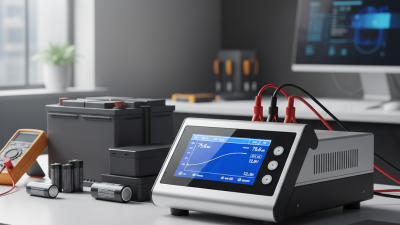
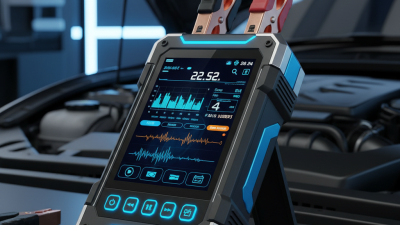
A battery performance tester is a crucial tool for assessing the health and efficiency of batteries. It evaluates parameters like voltage, current, and internal resistance. This device helps determine if a battery can hold its charge effectively under load. Users can diagnose issues early and avoid unexpected failures.
The operation of a battery performance tester is straightforward. Technicians connect the device to the battery terminals. Once connected, it sends a controlled load to the battery. During this process, it measures how the battery reacts under stress. The results indicate the battery's condition—good, weak, or requiring replacement. Proper testing can save time and money by preventing premature battery purchases.
Despite its usefulness, battery testers are not foolproof. They require proper calibration and user knowledge. A poorly conducted test can lead to incorrect conclusions. Users should verify the tester's accuracy regularly. Being aware of potential pitfalls promotes more reliable results, ensuring a thorough understanding of battery performance.
Key Components of a Battery Performance Tester
A battery performance tester is essential for evaluating battery health. Key components of these testers include load testers, multimeters, and conductance testers. Each provides critical data on battery capacity, voltage, and internal resistance. According to industry reports, around 30% of batteries fail due to improper maintenance. This highlights the importance of regular testing.
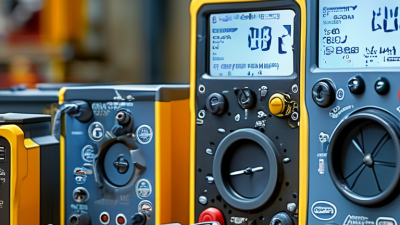
Load testers apply a specific load to gauge how batteries perform under stress. They measure voltage drop during the test, which indicates battery condition. Multimeters, on the other hand, help assess voltage and current. Using a multimeter can reveal discrepancies in battery performance. Conductance testers analyze the battery’s ability to conduct electricity, offering valuable insights into its overall health.
While these components are effective, there are challenges to consider. For instance, misuse can lead to inaccurate results. Ensuring that the tester is compatible with the battery type is crucial. Data from professionals suggest that over 25% of users do not follow operational guidelines thoroughly. This negligence can result in misleading assessments, ultimately affecting battery lifespan and reliability. Understanding the strengths and limitations of each component is vital for accurate testing.
Battery Performance Tester Specifications
| Component |
Description |
Function |
Typical Measurement Range |
| Battery Load |
Simulates actual load conditions on the battery. |
Determines how the battery performs under load. |
10A - 1200A |
| Voltage Meter |
Measures the voltage output of the battery. |
Assesses battery state of charge. |
0V - 12V / 0V - 24V |
| Ohmmeter |
Tests the internal resistance of the battery. |
Indicates battery health and efficiency. |
0.1mΩ - 100mΩ |
| Temperature Sensor |
Measures battery temperature during tests. |
Helps prevent overheating during testing. |
-20°C - 80°C |
| Display Unit |
Shows the results of various measurements. |
User interface for analyzing battery data. |
N/A |
Understanding the Testing Methods Used in Battery Testing
Battery testing is crucial for assessing the performance and longevity of batteries. Various methods exist, each with specific purposes and outcomes. One common technique is the capacity test. This method determines how much energy a battery can store and deliver. It involves discharging the battery at a constant current until it reaches a predetermined cutoff voltage. The results can vary based on temperature and discharge rate, which means care must be taken during testing.
Another important method is the impedance test. This assesses the internal resistance of a battery. A low resistance indicates good health, while a high resistance can signal deterioration. Impedance testing is valuable because it provides quick insights without fully discharging the battery. However, the results may be influenced by factors such as battery age and temperature, which complicates the interpretation of findings.
Conducting these tests requires expertise to ensure accuracy. Misinterpretation can lead to incorrect assessments. It's essential to consider environmental conditions and the previous history of the battery. Different batteries may respond uniquely to the same test. Understanding these nuances can improve testing efficacy and reliability. Employing a combination of these methods often yields the best results, ensuring batteries operate efficiently and safely.
Battery Performance Testing Methods
This chart represents various battery performance testing methods and their respective results. The data includes capacity, internal resistance, cycle life, temperature tolerance, and load performance metrics.
Interpreting the Results from Battery Performance Testing
Battery performance testing is crucial for assessing the health and efficiency of batteries. When conducting tests, interpreting results accurately helps in understanding battery lifespan and performance levels.
Key metrics include capacity, internal resistance, and voltage levels. High internal resistance may indicate wear, while voltage drop under load showcases real-world use scenarios.
Analyzing specific results can point out potential issues. For example, if a battery shows a significant voltage drop during testing, this might highlight a weak cell. This should prompt further investigation. Not every reading tells the entire story. External factors, like temperature changes, can impact results significantly.
Consider regularly scheduling battery performance tests. Minimizing surprise failures is essential, especially for high-stakes applications. Collect and compare data over time. Noticing trends in performance can be more enlightening than one-off results. Remember, a battery’s performance might fluctuate due to various influences. Always ask why a result differs from expectations. Reflecting on these differences can lead to better battery management strategies.
Applications and Importance of Battery Performance Testers
Battery performance testers play a crucial role in various industries, ensuring that batteries function efficiently and reliably. These devices evaluate the capacity, voltage, and overall health of batteries. Reports suggest that about 30% of batteries fail to meet expected performance standards. Regular testing helps identify these weak batteries early, preventing potential failures in applications such as electric vehicles, renewable energy storage, and consumer electronics.
The importance of battery performance testers lies in their ability to enhance safety and reliability. In energy storage systems, for example, a faulty battery can lead to significant downtime. According to industry studies, preventing battery-related failures can save companies up to 20% in operational costs. Moreover, accurate testing can extend the life of batteries, contributing to sustainability efforts. Batteries that are tested and maintained properly can deliver optimum performance, resulting in fewer replacements and reduced waste.
Despite the advantages of battery performance testers, some users struggle with understanding the data produced. Proper interpretation requires experience and knowledge of battery technology. Furthermore, not all testers provide consistent results; variability in testing methods can lead to discrepancies. As the technology evolves, investing in reliable testing solutions is essential for effective battery management.

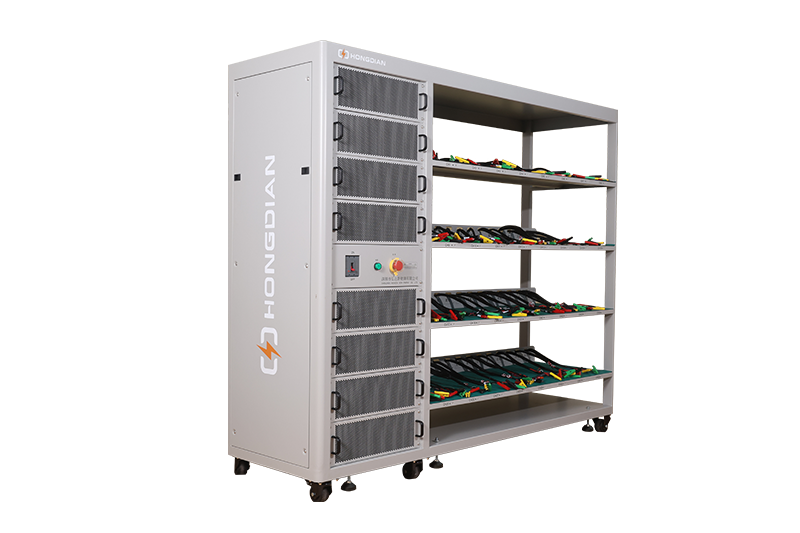 32/48 channel battery charging and discharging test integrated battery cabinet
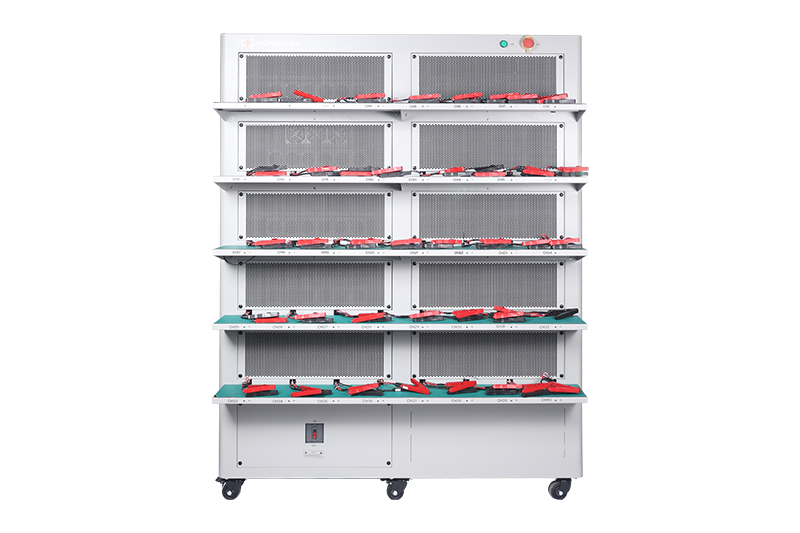 40 channel battery charging and discharging test integrated battery cabinet
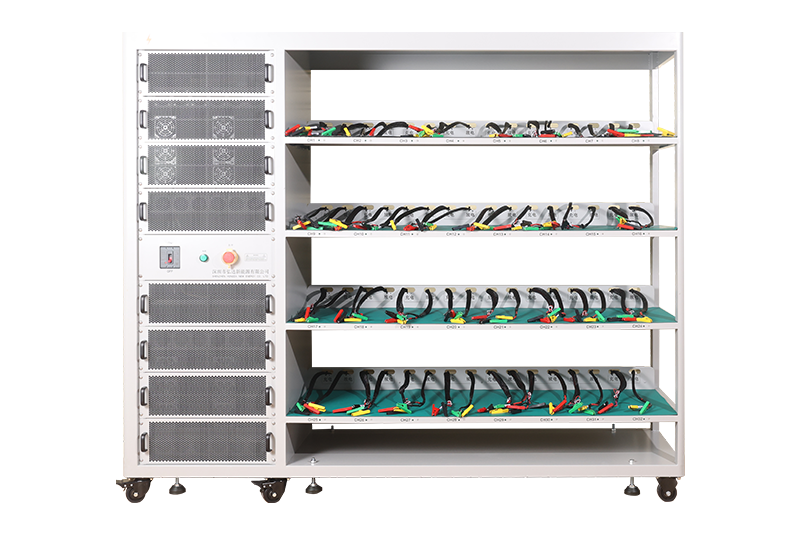 64 channel battery charging and discharging test integrated battery cabinet
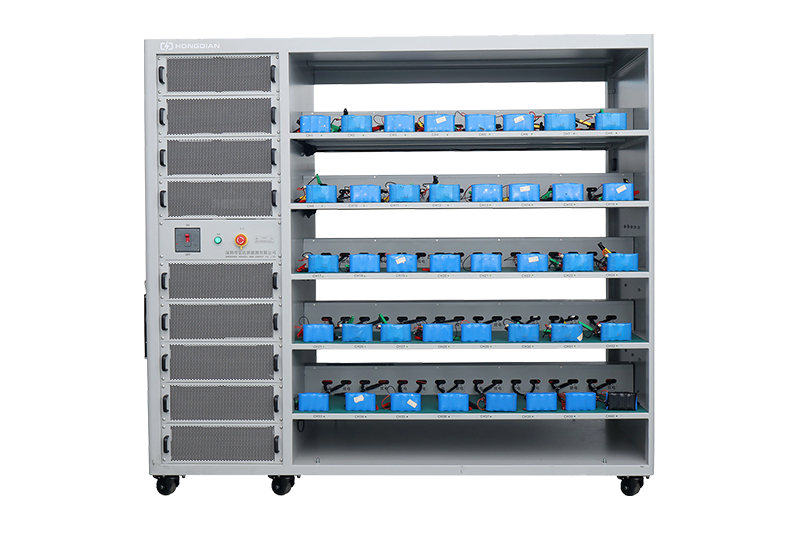 80 channel battery charging and discharging test integrated battery cabinet
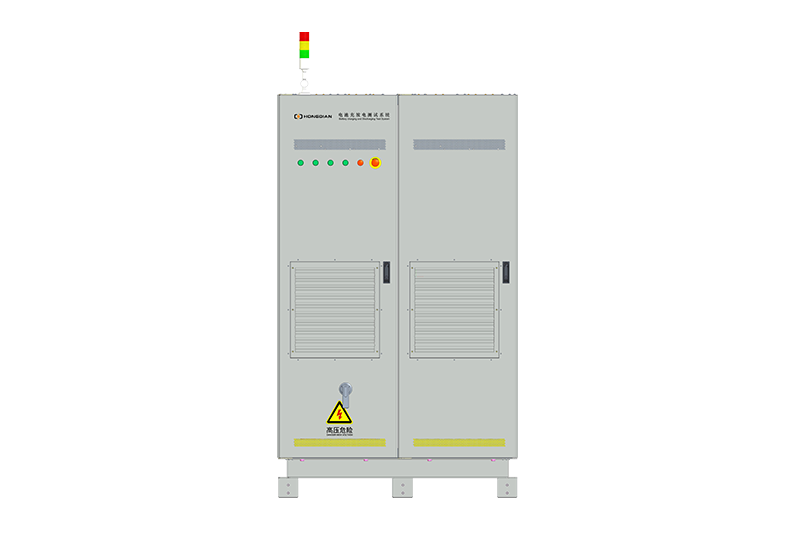 1000V-1500V High Voltage High Current Battery Testing System
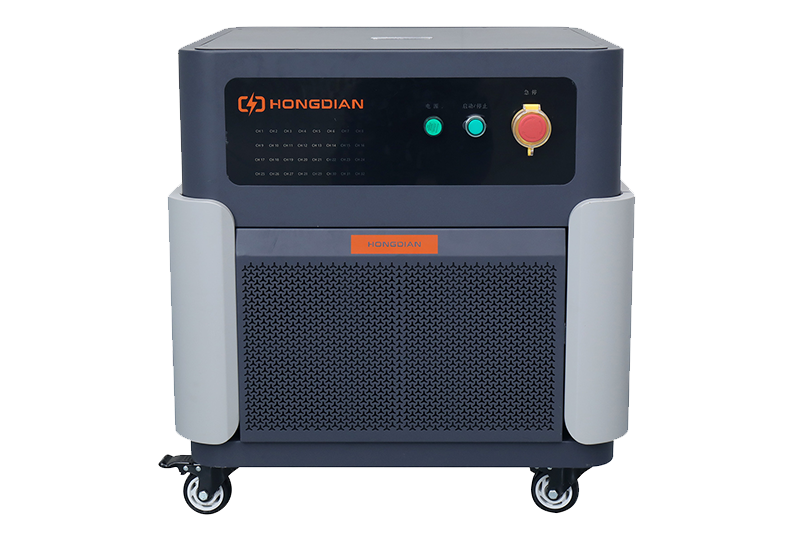 High-Precision Battery Testing System for Enhanced Performance Monitoring 30V/60V/100V/120V
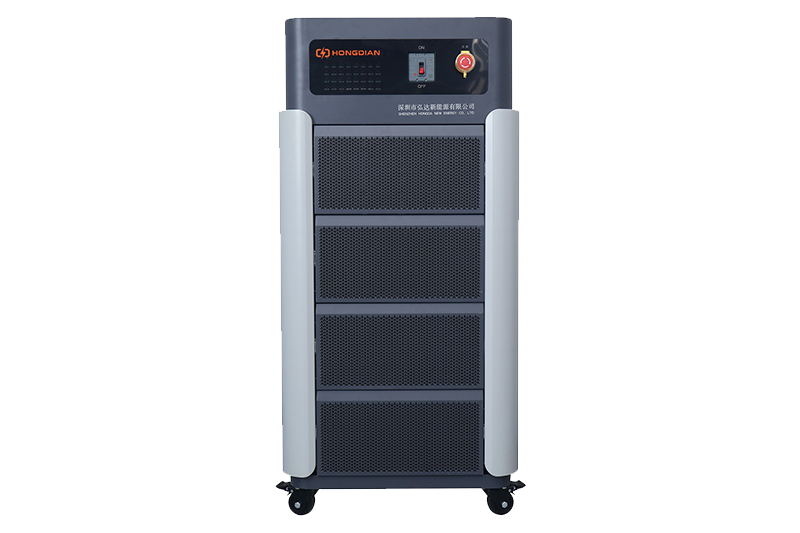 High-Precision Battery Charge Discharge Test Systems for EV Manufacturers
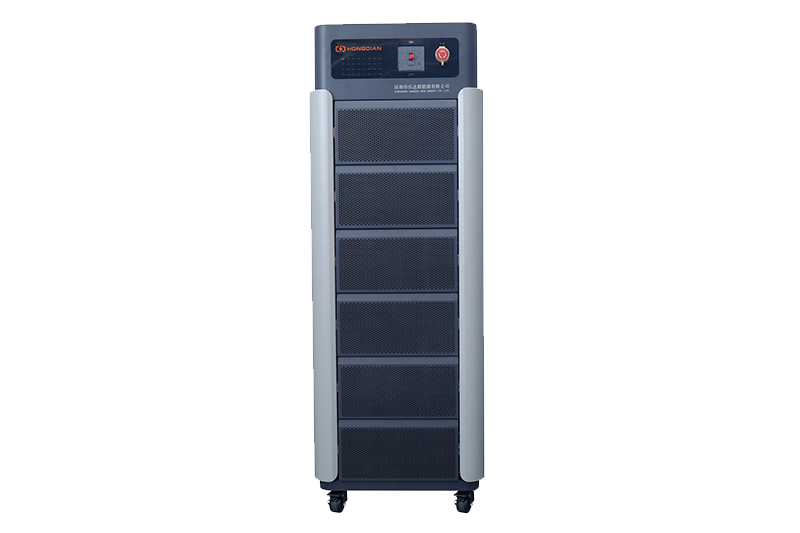 Precision Battery Test Racks for Cell Capacity & Internal Resistance Measurement
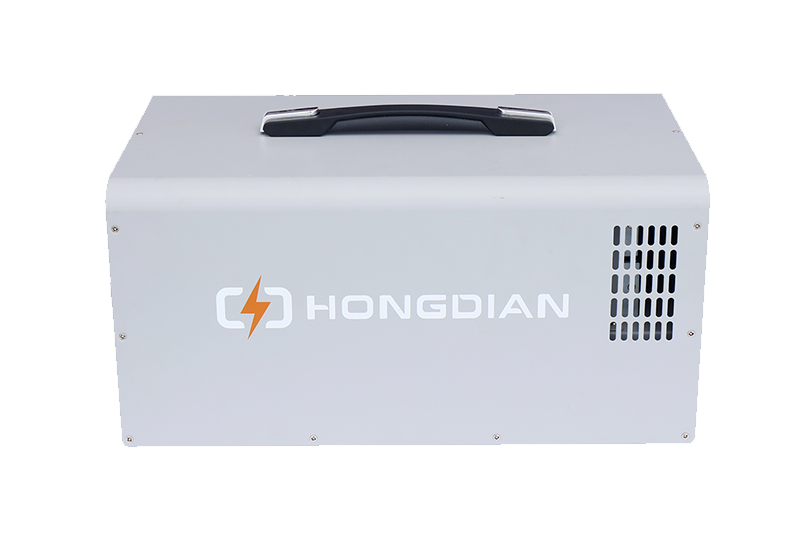 Multi-Channel Battery Testing Equipment for Parallel Performance Analysis