What is the Best Battery Internal Resistance Tester for You?
Choosing the right Battery Internal Resistance Tester is crucial for ensuring optimal battery performance. Expert James Thompson, an industry veteran, once stated, “The efficiency of your battery largely depends on accurate resistance measurements.” His insights underline the importance of selecting a quality tester.
In the ever-evolving world of battery technology, understanding internal resistance can significantly impact lifecycle and reliability. Different testers offer varying degrees of measurement accuracy, ease of use, and pricing. However, not all brands deliver the expected results.
When making your decision, consider what features truly matter. Look for testers that provide clear readings. Avoid those that complicate simple tests. Remember, even established brands can sometimes disappoint. Investing in a reliable Battery Internal Resistance Tester can mean the difference between a functional battery and one that fails prematurely.
Understanding Battery Internal Resistance: Importance and Impact
Battery internal resistance is a critical parameter for assessing the health and performance of batteries. It directly impacts efficiency, power output, and overall lifespan. Research from the Electric Power Research Institute reveals that as internal resistance increases, the battery's performance deteriorates. This impacts not just individual batteries but entire systems, especially in electric vehicles and renewable energy applications.
Measuring internal resistance helps identify potential issues before they become severe. A study published by the National Renewable Energy Laboratory indicated that early detection of rising resistance can lead to a 20% increase in battery lifespan when addressed promptly. However, users often overlook this important diagnostic tool. Many batteries fail because users wait too long, ignoring the subtle signs of declining performance.
In practice, a finished test might reveal resistance levels that exceed acceptable thresholds. This creates a dilemma for users: should they replace the battery now or wait? Deciding can be tricky, as the balance between cost and performance is delicate. A deeper understanding of internal resistance allows users to make informed decisions, potentially avoiding costly replacements and improving operational efficiency.
Battery Internal Resistance Measurement Comparison
This chart compares the internal resistance of various types of batteries measured in milliohms (mΩ). Understanding these values is crucial for battery performance and efficiency in different applications.
Key Features to Look for in a Battery Internal Resistance Tester
Choosing the right battery internal resistance tester is crucial. A good tester helps you gauge battery health effectively. Look for models that provide both AC and DC resistance measurement. This feature ensures comprehensive analysis across different types of batteries. A clear digital display is beneficial too. It allows for easy reading of results, even in dim light.
Accuracy is paramount. Choose testers that have calibration options or come pre-calibrated from the manufacturer. This reliability impacts the data you receive. A user-friendly interface can enhance efficiency, especially for those who are new to such devices. Compact designs allow for portability. This can be essential for testing batteries in various locations.
Some testers may lack advanced features. For instance, limited data storage can hinder long-term tracking. It’s important to reflect on your needs. Will you require historical data for comparison? In such cases, opt for models with memory functions. Consider the scope of your projects carefully. Understanding your requirements can guide you toward making the right decision.
Comparative Analysis of Top Battery Internal Resistance Testers
When selecting a battery internal resistance tester, performance metrics are crucial. A critical aspect to consider is measuring accuracy. Reports indicate that high-quality testers exhibit accuracy levels of up to 0.1 mΩ. This precision is vital when diagnosing battery health and optimizing performance.
Many testers utilize different measurement methods, including AC and DC load testing. AC methods provide real-time impedance data, while DC testing highlights the battery's voltage drop during load. Each method has its merits and shortcomings. For example, AC testing can sometimes introduce uncertainty due to external electrical noise, which affects reliability.
The ease of use also plays a significant role. Some testers feature intuitive interfaces, enabling quick assessments without extensive training. However, several models still possess complex functions that might overwhelm new users. As the industry evolves, it's vital to find a balance between advanced features and user-friendliness. Ensuring durability and long-term reliability can also pose challenges, especially in varying environmental conditions. Users need to consider these factors seriously, as they impact long-term investments in equipment.
What is the Best Battery Internal Resistance Tester for You?
| Model |
Measurement Range |
Accuracy |
Display Type |
Weight |
Price Range |
| Model A |
0.1 mΩ - 10 Ω |
±1% |
LCD |
250 g |
$50 - $70 |
| Model B |
0.01 mΩ - 5 Ω |
±0.5% |
OLED |
300 g |
$80 - $120 |
| Model C |
0.1 mΩ - 1 Ω |
±2% |
LED |
200 g |
$30 - $50 |
| Model D |
0.01 mΩ - 2 Ω |
±0.2% |
Touchscreen |
500 g |
$150 - $200 |
Interpreting Resistance Readings: What Do the Numbers Mean?
When assessing battery performance, interpreting internal resistance readings is crucial. Resistance is measured in ohms. A lower resistance suggests that the battery can deliver a higher current efficiently. In contrast, high resistance indicates potential issues, including aging or damage. A 2021 report from a leading battery research group stated that optimal internal resistance for lead-acid batteries typically ranges between 0.01 to 0.05 ohms. Readings beyond this can signal limitations in performance.
Variability in readings can stem from several factors. Temperature, for instance, can dramatically influence resistance. At higher temperatures, resistance decreases, improving performance. Conversely, cold conditions can inflate resistance readings. According to a 2022 study, cold weather can double the resistance in some battery types. Such fluctuations make it essential to use an internal resistance tester under controlled conditions for accurate results.
Understanding the numerical data requires context. A reading of 0.1 ohms may be acceptable for certain batteries but problematic for others. Regular testing is vital. Some users may find their batteries perform well despite high readings, while others face failures. Take these variances seriously. Monitor changes in resistance over time to anticipate performance dips. This proactive approach can help maintain optimal battery health.
Industry Standards and Best Practices for Battery Testing Techniques
When evaluating battery performance, internal resistance testing is crucial. The industry standard for acceptable internal resistance often falls below 10 milliohms for most batteries. However, as battery technology evolves, these figures can vary significantly based on chemistry and design. For example, lithium-ion batteries generally have lower internal resistance compared to lead-acid types. Understanding these differences is vital for accurate testing.
Effective battery testing requires adherence to best practices. Utilizing a compatible tester plays a significant role in obtaining reliable readings. Some studies indicate that improper methods can lead to up to 30% inaccuracies in resistance measurements. This highlights the need for thorough training and experience in battery testing techniques. Regular calibration of testing equipment is equally important to maintain standards and ensure trustworthiness in results.
A report from the Battery Testing Consortium emphasizes that real-time monitoring of battery conditions can significantly extend their lifespan. Despite advancements, many still overlook how environmental factors can impact resistance levels. Temperature fluctuations, for instance, can alter results. Recognizing these nuances allows technicians to acquire a more accurate understanding of battery health and make informed maintenance decisions.

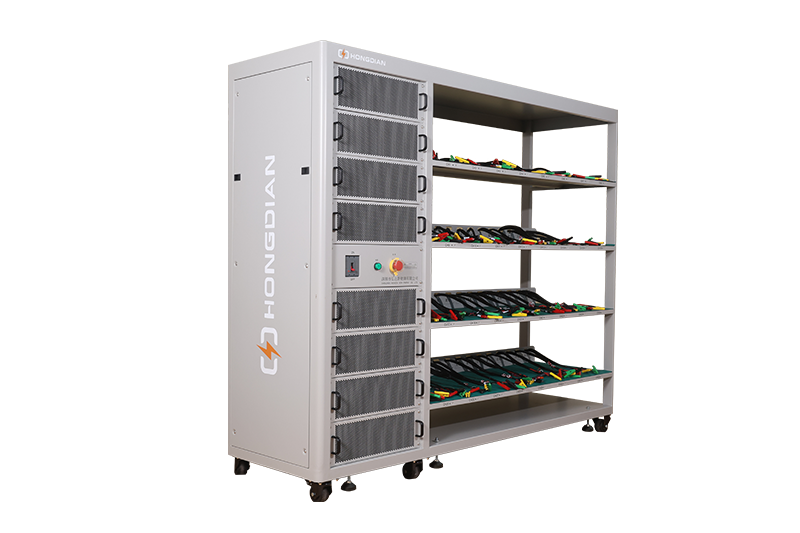 32/48 channel battery charging and discharging test integrated battery cabinet
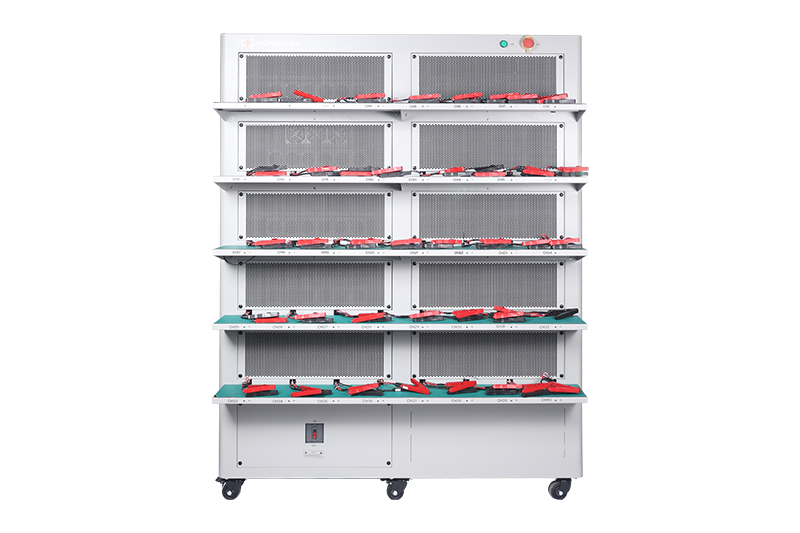 40 channel battery charging and discharging test integrated battery cabinet
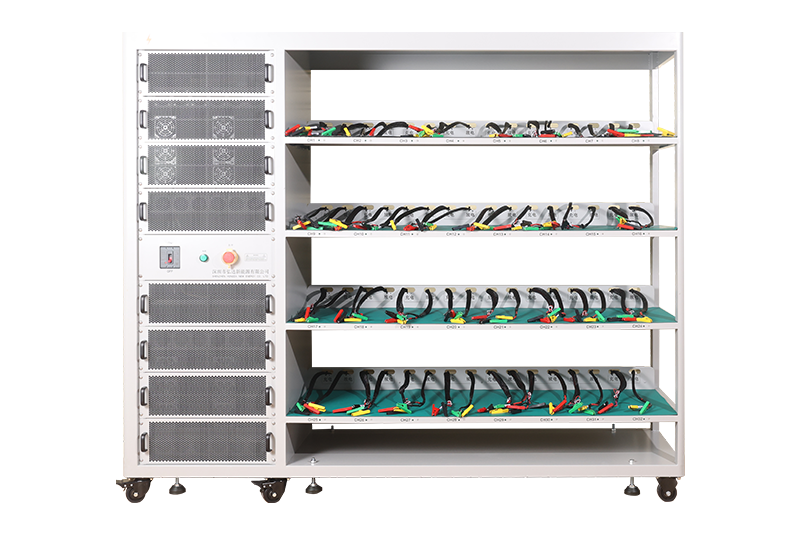 64 channel battery charging and discharging test integrated battery cabinet
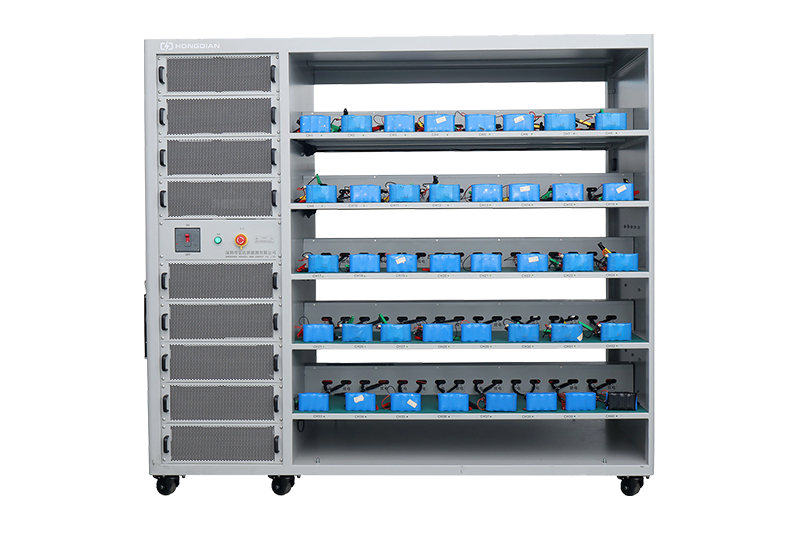 80 channel battery charging and discharging test integrated battery cabinet
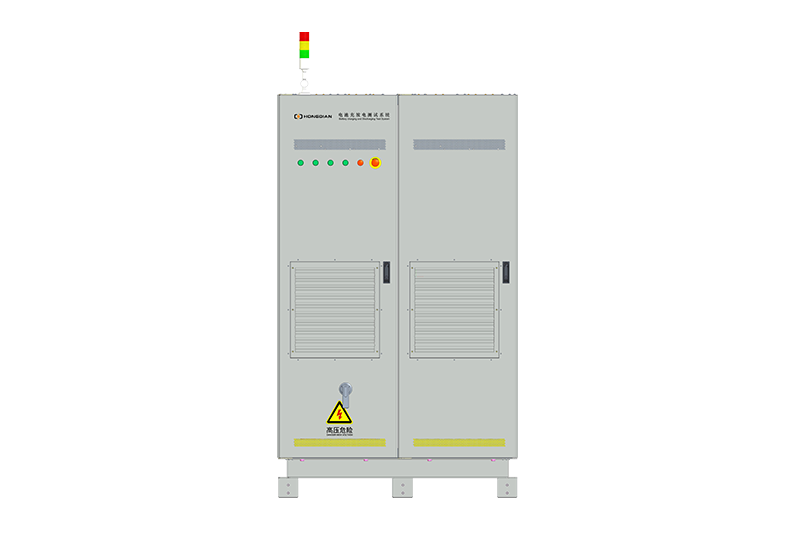 1000V-1500V High Voltage High Current Battery Testing System
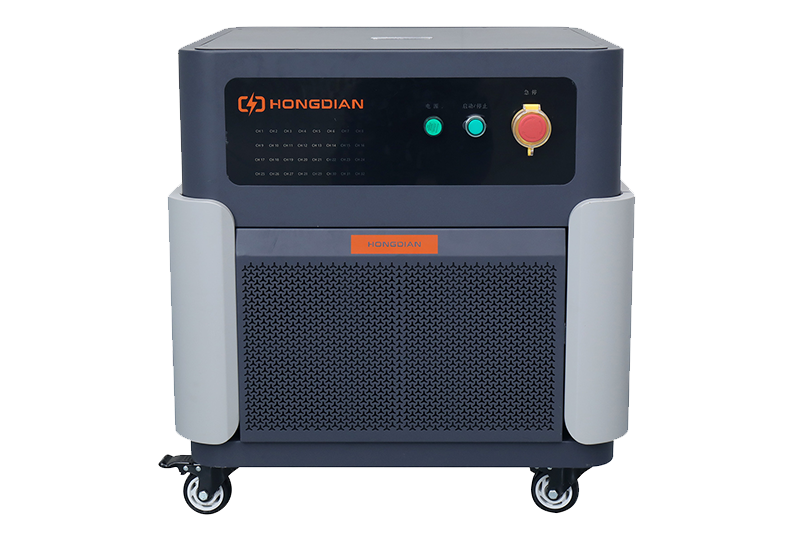 High-Precision Battery Testing System for Enhanced Performance Monitoring 30V/60V/100V/120V
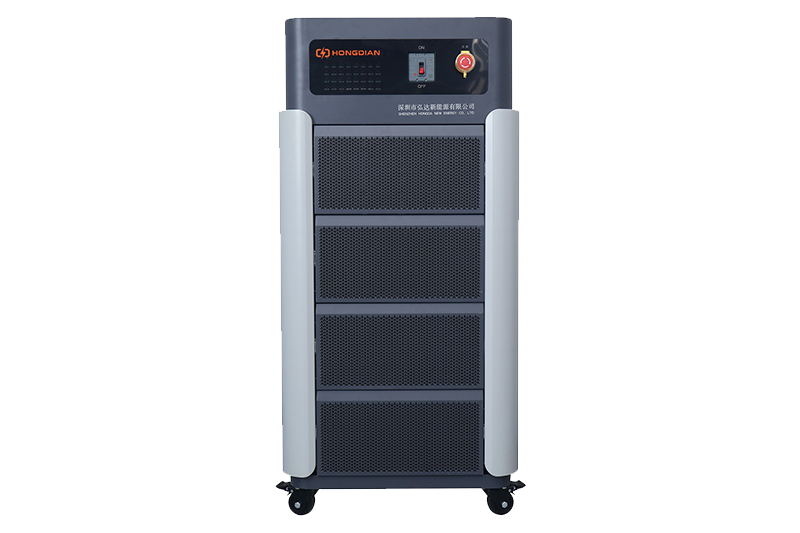 High-Precision Battery Charge Discharge Test Systems for EV Manufacturers
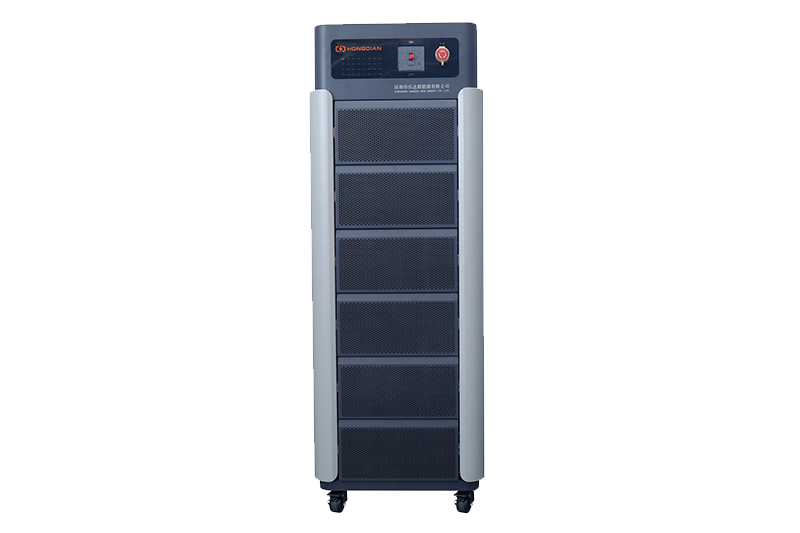 Precision Battery Test Racks for Cell Capacity & Internal Resistance Measurement
 Multi-Channel Battery Testing Equipment for Parallel Performance Analysis