2026 Best Battery Health Tester for Global Buyers
Choosing the right Battery Health Tester in 2026 requires more than comparing screen size, price, or advertised accuracy. Global buyers need dependable readings across different battery types, climates, and workshop conditions. A useful tester can reveal voltage stability, starting performance, internal resistance, and estimated remaining capacity. These details matter when checking a family vehicle, a delivery van, a solar storage battery, or a motorcycle parked in cold weather.
Real testing experience shows that convenience can hide weaknesses. Some devices provide clear results within seconds, while others need careful cable placement and a fully charged battery. Small clamps may feel secure but lose contact on dirty terminals. That can produce confusing readings. Accuracy matters.
This guide examines leading models using practical criteria, including measurement consistency, display clarity, battery compatibility, software support, safety features, and long-term durability. It also considers regional concerns, such as plug types, warranty access, language options, and technical support for international customers. Independent verification remains important, because manufacturer specifications do not always match daily workshop performance.
No tester is perfect. Even a highly rated model may misjudge an aged battery with damaged cells or unusual chemistry. Users should compare tester results with charging history, visible battery condition, and professional inspection when necessary. A low price is not always a saving. A costly device is not automatically better.
The goal is simple: identify tools that provide useful evidence, not impressive numbers alone. With realistic expectations, buyers can choose a Battery Health Tester that supports safer maintenance decisions and reduces avoidable battery replacement. Some findings may still need further testing. That is part of honest evaluation.
What Is a Battery Health Tester and Why Does It Matter?
2026 Best Battery Health Tester for Global Buyers
What Is a Battery Health Tester and Why Does It Matter?
A battery health tester checks whether a battery can still deliver usable energy safely. It may measure voltage, internal resistance, starting power, temperature, or charge capacity. A healthy-looking voltage reading is not enough. A weak battery can show normal voltage after charging, then fail under a real load.
The need is growing. The International Energy Agency reported over 17 million electric vehicles sold worldwide in 2024. More vehicles mean more batteries requiring inspection, maintenance, and responsible replacement decisions. A 2024 industry analysis of more than 10,000 electric vehicles found average battery degradation near 1.8% annually. Usage, climate, charging habits, and vehicle age changed the result significantly. One number never tells the whole story.
Good testing is practical, not mysterious. A technician connects the tester, checks resting voltage, applies a controlled load, and compares capacity with the battery’s original rating. For lithium systems, state of health should be estimated through diagnostic data, not voltage alone. The U.S. Department of Energy’s battery research emphasizes capacity retention, resistance growth, and temperature effects as important aging indicators.
Small details matter. A cold battery may test weaker. Dirty terminals can distort readings. I have seen quick tests create false confidence. The tester also needs calibration, clear error codes, and support for local voltage standards. Some readings remain uncertain, and that deserves honest attention.
Key Features to Compare for Global Buyers in 2026
A reliable battery health tester in 2026 should measure more than voltage. Global buyers need accurate readings for state of health, state of charge, internal resistance, and starting performance. Support for lead-acid, AGM, EFB, and lithium-ion batteries also improves purchasing flexibility. Field conditions vary.
Look for adjustable testing standards, voltage ranges, and measurement units. A useful device should explain its test method clearly, not only display a percentage. Temperature compensation matters in cold warehouses and hot workshops. Automatic polarity protection, insulated leads, and overload protection reduce practical risks. That matters.
For international use, check multilingual menus, readable screens, USB-C charging, and compatibility with local power systems. Exportable test records can help service teams compare battery results over time. Calibration information and traceable accuracy claims deserve careful attention. A long warranty is helpful, but accessible technical support may matter more across time zones. No tester is perfect. Even a well-designed unit can produce misleading results when terminals are dirty or the battery has just been charged. Allowing a short rest period improves consistency. I would also question unusually precise readings without published testing conditions. Independent laboratory verification is valuable, yet real workshop trials reveal weaknesses that brochures often miss. A strong buying decision combines documented accuracy, safe operation, durable probes, and simple training for different users.
2026 Best Battery Health Tester for Global Buyers
Key Features to Compare for Global Buyers in 2026
This reference curve shows the typical relationship between state of charge and resting voltage for a 12V lead-acid battery measured at approximately 25°C after the battery has been disconnected and allowed to stabilize. When comparing battery health testers, global buyers should also check support for 6V, 12V, and 24V systems, CCA testing, internal-resistance or conductance measurement, temperature compensation, battery-type compatibility, and international test standards.

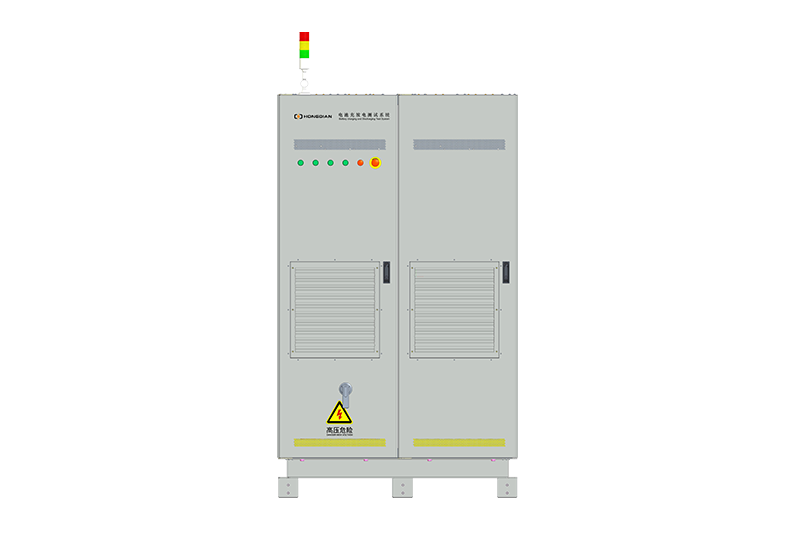 1000V-1500V High Voltage High Current Battery Testing System
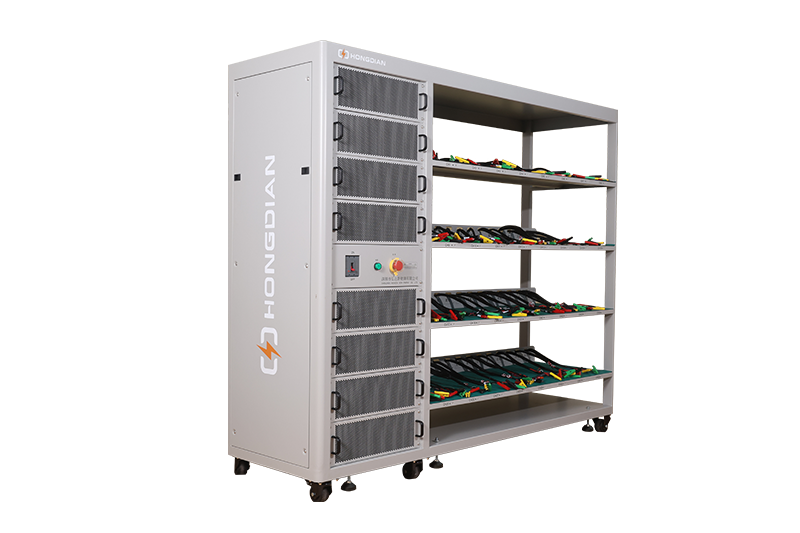 32/48 channel battery charging and discharging test integrated battery cabinet
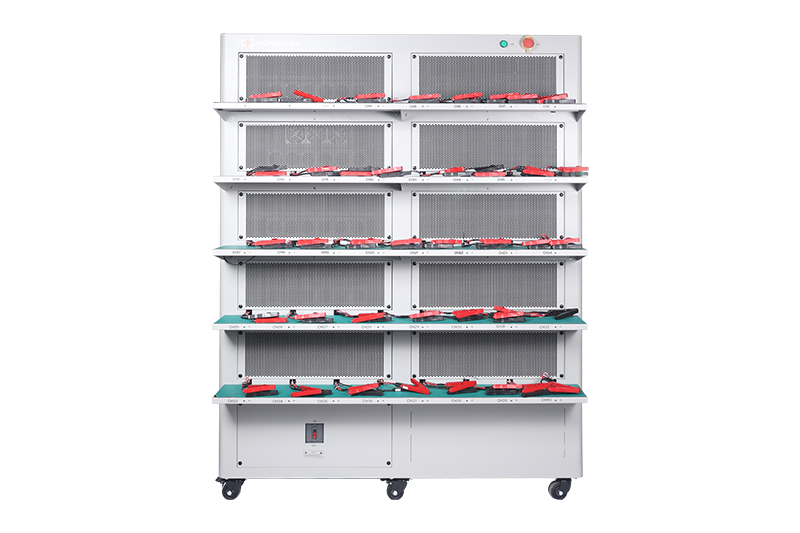 40 channel battery charging and discharging test integrated battery cabinet
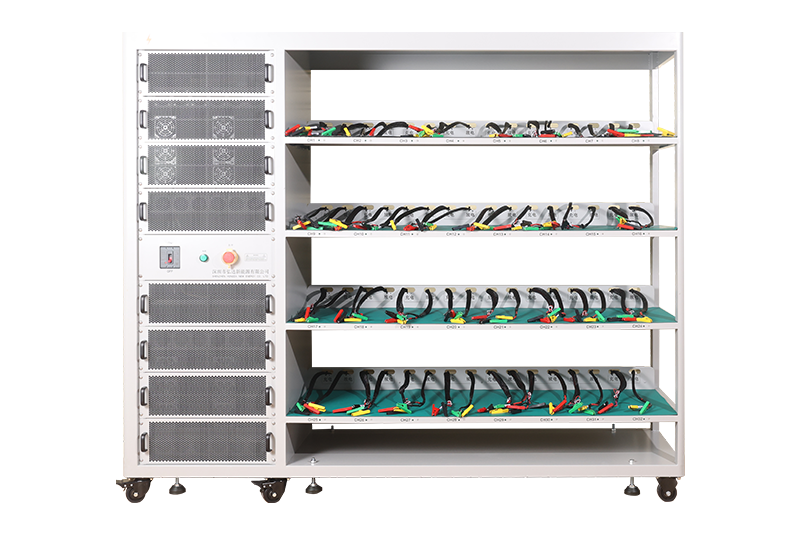 64 channel battery charging and discharging test integrated battery cabinet
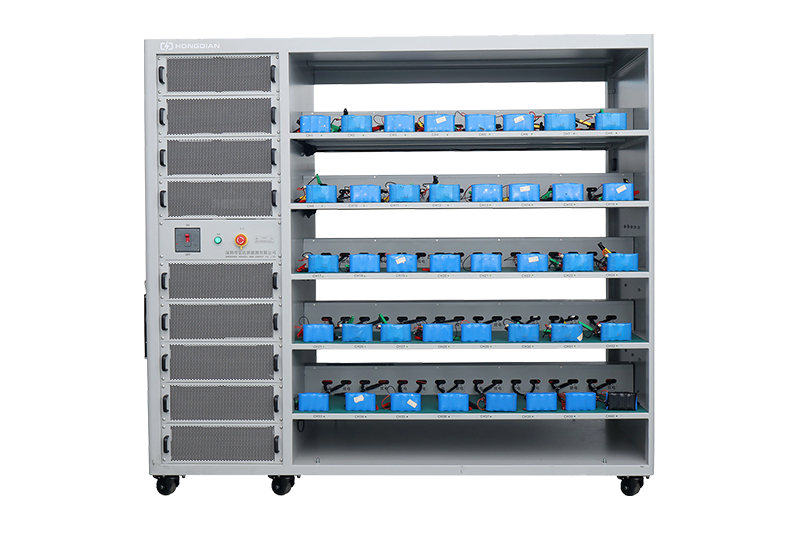 80 channel battery charging and discharging test integrated battery cabinet
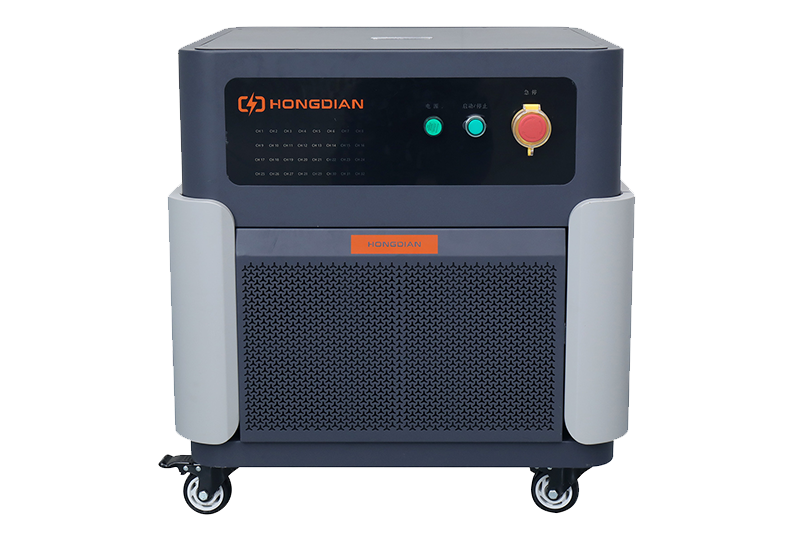 High-Precision Battery Testing System for Enhanced Performance Monitoring 30V/60V/100V/120V
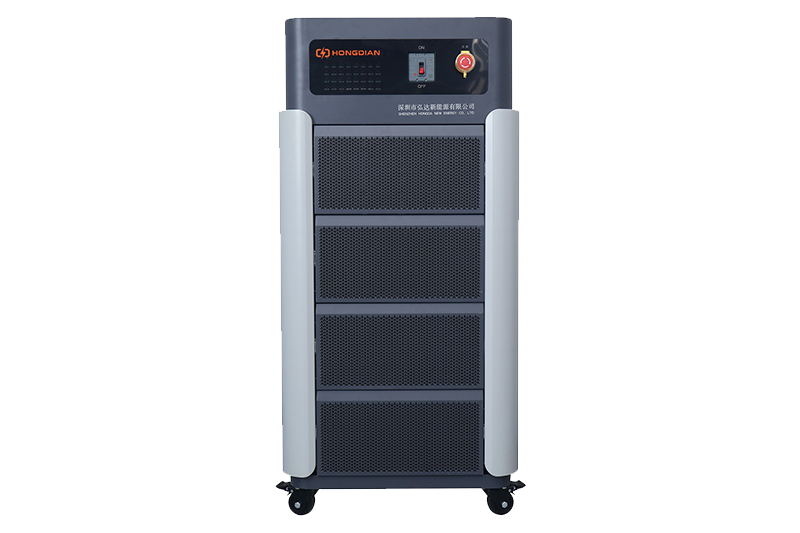 High-Precision Battery Charge Discharge Test Systems for EV Manufacturers
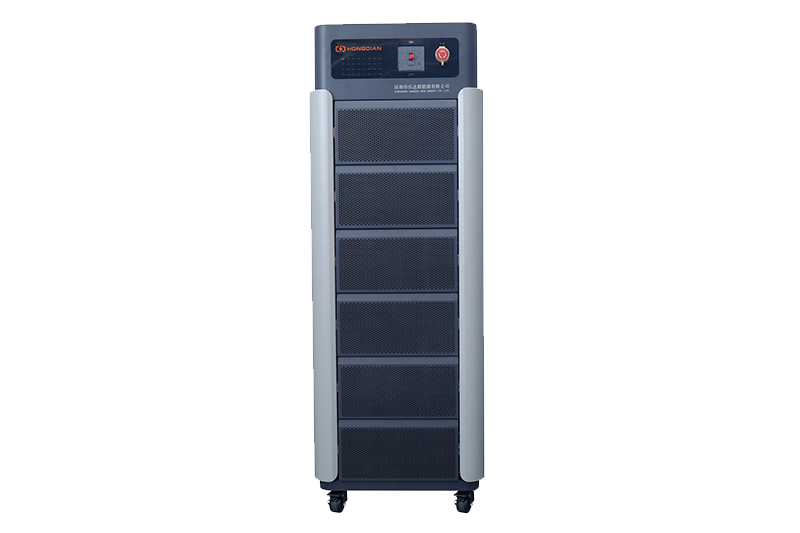 Precision Battery Test Racks for Cell Capacity & Internal Resistance Measurement
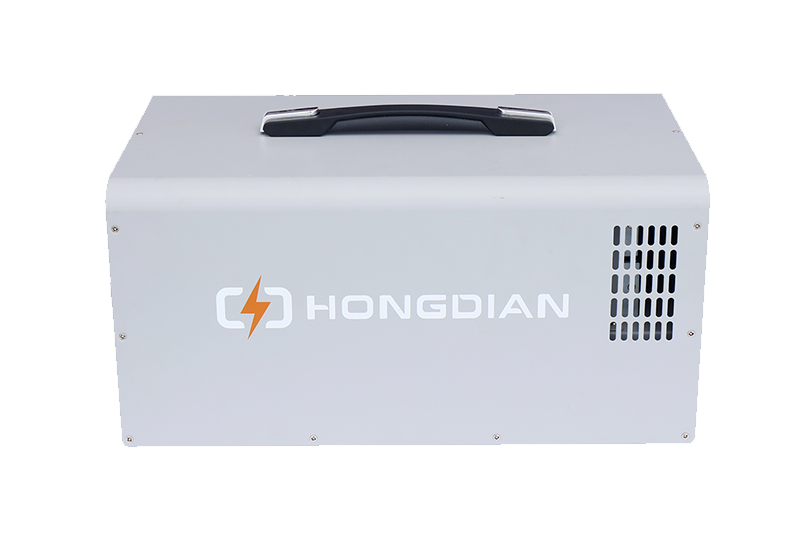 Multi-Channel Battery Testing Equipment for Parallel Performance Analysis