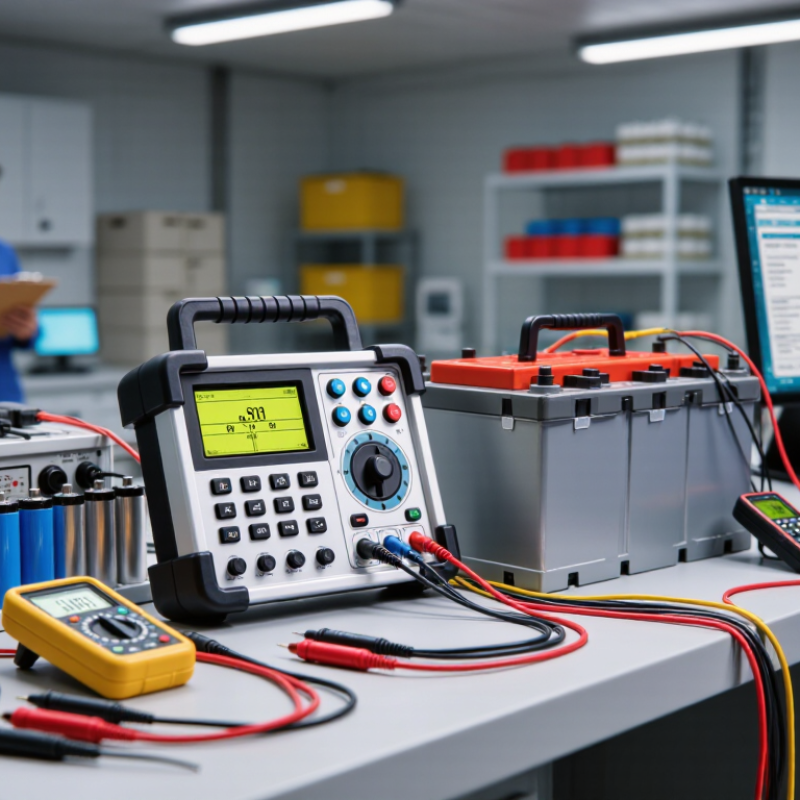
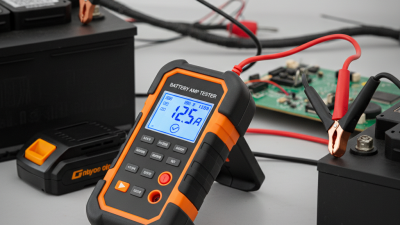
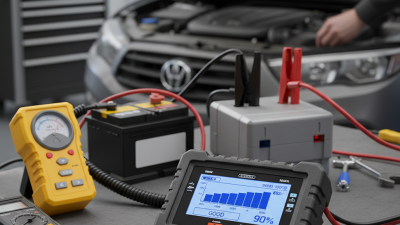
| Battery Tester Function and Load-Test Capability |
| Battery Chemistry Compatibility |
Supported battery types |
12 V lead-acid, AGM, GEL and EFB batteries; lithium-ion testing requires a separate validated operating profile. |
IEC 60095-1 for lead-acid starter batteries; IEC 61960-3 for portable lithium secondary cells. |
Verify that the tester uses chemistry-specific test algorithms rather than applying one profile to every battery type. |
| Voltage Measurement |
Nominal voltage coverage |
Typical global-use coverage: 6 V, 12 V and 24 V systems, depending on the model. |
Buyer-approved product specification. |
Check measurement range, polarity protection and accuracy at low, nominal and high input voltage. |
| Open-Circuit Voltage |
Resting-voltage measurement |
For a 12 V lead-acid battery, approximately 12.6–12.8 V generally indicates a fully charged battery at 25 °C; approximately 12.0 V indicates a deeply discharged condition. |
Battery manufacturer’s charging and state-of-charge data. |
Voltage must be measured after surface charge has dissipated; voltage alone does not prove available starting capacity. |
| Electronic Conductance Test |
Estimated CCA or internal conductance |
Tester compares measured conductance or dynamic resistance with the battery’s entered rated CCA. The result is an estimate, not a direct capacity measurement. |
SAE J537 and manufacturer-specific CCA data. |
Require repeatability testing on the same battery and correlation against a calibrated load or laboratory reference test. |
| Controlled Load Test |
Starting-current load |
For a 12 V automotive battery, a common SAE performance check applies the rated CCA current for 30 seconds at −18 °C, with a minimum terminal voltage of 7.2 V during the test. |
SAE J537; the exact procedure depends on battery design and rating system. |
The tester must control current, test duration and temperature conditions, and must record the minimum voltage reached. |
| Reserve-Capacity Load Test |
Constant-current discharge |
A common reserve-capacity procedure uses a 25 A discharge on a fully charged 12 V lead-acid battery until terminal voltage reaches 10.5 V at approximately 25 °C. |
SAE J537 reserve-capacity method. |
Confirm load-current stability, cutoff-voltage accuracy and thermal protection of the load bank. |
| Lithium Battery Load Test |
Specified-current discharge |
Typical buyer-defined profiles may use 0.5C or 1C for a specified time, with a cutoff voltage defined by the cell or battery manufacturer. |
IEC 61960-3, IEC 62620 and the battery manufacturer’s approved test profile. |
Do not use lead-acid thresholds for lithium batteries. Confirm BMS communication, over-current protection and cell-level safety limits. |
| Charging-System Test |
Alternator or charging voltage |
A typical 12 V vehicle charging system is often evaluated around 13.8–14.7 V, subject to vehicle design, temperature and charging strategy. |
Vehicle manufacturer’s service specification. |
Tester should distinguish battery condition from charging-system faults and display voltage during engine-off and engine-running states. |
| Measurement Accuracy and Electrical Safety |
| Voltage Accuracy |
DC voltage measurement |
Typical procurement target: ±0.5% of reading or better over the declared operating temperature range. |
Buyer-approved instrument specification. |
Verify accuracy using traceable reference sources at several voltage points, including the low-battery region. |
| Load-Current Accuracy |
Constant-current output |
Typical procurement target: ±2% of the programmed current or better, subject to the selected load range. |
Buyer-approved instrument specification. |
Use a calibrated shunt or current meter to confirm actual current, ripple and stability during a complete test cycle. |
| Temperature Compensation |
Ambient and battery-temperature input |
Temperature correction is important for cold-cranking evaluation because battery performance changes significantly with temperature. |
SAE J537 and the applicable battery test procedure. |
Check sensor accuracy, sensor placement instructions and whether the result records the actual test temperature. |
| Reverse-Polarity Protection |
Incorrect cable connection |
Tester should provide visual or audible warning and prevent damage when the battery leads are connected incorrectly. |
IEC 61010-1 safety principles; product-specific safety design. |
Test protection repeatedly at the maximum specified input voltage and with realistic connection durations. |
| Over-Temperature Protection |
Load-bank thermal protection |
Automatic load reduction or shutdown should occur when internal temperature exceeds the declared safe operating limit. |
IEC 61010-1 design and risk-control principles. |
Inspect thermal sensors, shutdown response, cooling design and recovery behavior after overheating. |
| Manufacturing and Quality-Control Evaluation |
| Incoming Material Control |
Electronic and mechanical components |
Incoming inspection should verify component identification, electrical ratings, connector quality, enclosure materials and traceability. |
ISO 9001 quality-management practices. |
Request inspection records, supplier-lot traceability and evidence that safety-critical components are controlled. |
| Calibration Management |
Voltage and current calibration |
Calibration equipment should have valid traceability to national or international measurement standards. |
ISO/IEC 17025 principles for calibration competence and traceability. |
Review calibration intervals, reference-instrument certificates, adjustment records and out-of-tolerance handling. |
| Production-Line Testing |
Functional end-of-line inspection |
Each finished tester should be checked for display, keypad, cable continuity, voltage measurement, load output, alarm and protective shutdown. |
Approved inspection plan and manufacturing work instructions. |
Require serial-number-linked test records rather than relying only on sample inspection. |
| Load Resistor and Cooling System |
Thermal and durability design |
Load components must withstand the declared current and duty cycle without exceeding safe temperature limits. |
IEC 61010-1 safety principles; product-specific engineering validation. |
Evaluate airflow, fan reliability, heat-sink design, thermal cycling and continuous-use derating. |
| Software and Firmware |
Test algorithm and result integrity |
Firmware should retain the selected battery type, rated value, test current, duration, minimum voltage and final result. |
Buyer-approved software and data-retention requirements. |
Check data consistency, error messages, update control, password protection and prevention of incorrect parameter entry. |
| Environmental Durability |
Operating conditions |
Typical industrial instruments are specified for approximately 0–40 °C operation and controlled humidity; the actual range must be declared by the manufacturer. |
IEC 60068 environmental-test methods; product specification. |
Confirm performance after temperature, humidity, vibration and transport simulation tests required by the buyer. |
| Global-Buyer Acceptance Criteria |
| Test Repeatability |
Repeated measurements |
Repeated tests on the same stabilized battery should remain within the tolerance defined in the purchase specification. |
Buyer-defined measurement-system analysis plan. |
Use multiple batteries at different states of charge and calculate repeatability and reproducibility before approval. |
| Documentation |
Technical file and user instructions |
Required documents normally include user manual, electrical specifications, wiring diagram, calibration procedure, safety warnings and inspection records. |
Destination-market regulatory and safety requirements. |
Documentation should state limitations clearly, especially that electronic conductance results are estimates and not full capacity tests. |
| Regulatory Compliance |
Market-entry documentation |
Depending on destination and product design, conformity evidence may include electrical-safety, electromagnetic-compatibility and restricted-substance documentation. |
Applicable destination-market legislation and harmonized standards. |
Verify that declarations, reports and product markings correspond to the exact model and revision being purchased. |
| Export Packaging |
Transport protection |
Packaging should protect the display, clamps, cables and load components against shock, moisture and compression during international transport. |
ISTA or buyer-defined transport-test procedure. |
Inspect drop-test results, moisture protection, spare-part packaging and serial-number traceability. |
| Recommended Buyer Decision |
Final selection method |
Select the tester that demonstrates verified load-current accuracy, repeatable voltage cutoff, effective thermal protection, traceable calibration and complete technical documentation. |
Buyer’s approved quality-assurance plan. |
Use a witnessed factory-acceptance test with calibrated reference instruments before mass production or shipment. |

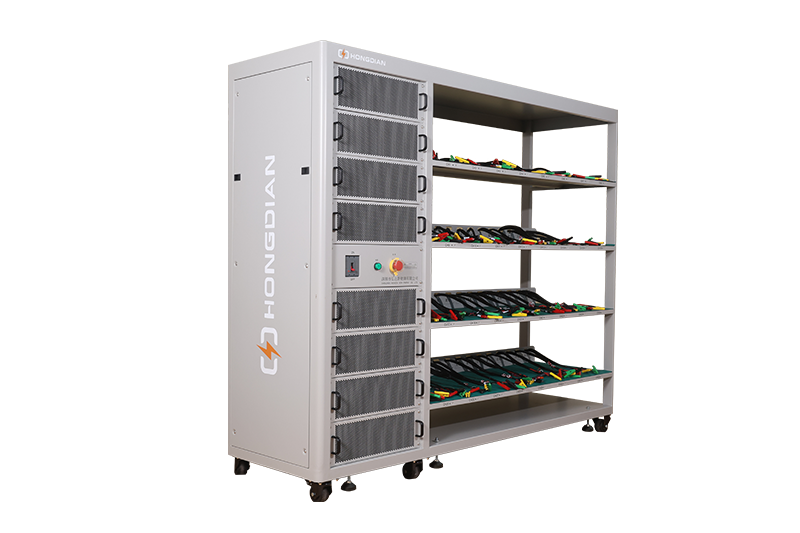 32/48 channel battery charging and discharging test integrated battery cabinet
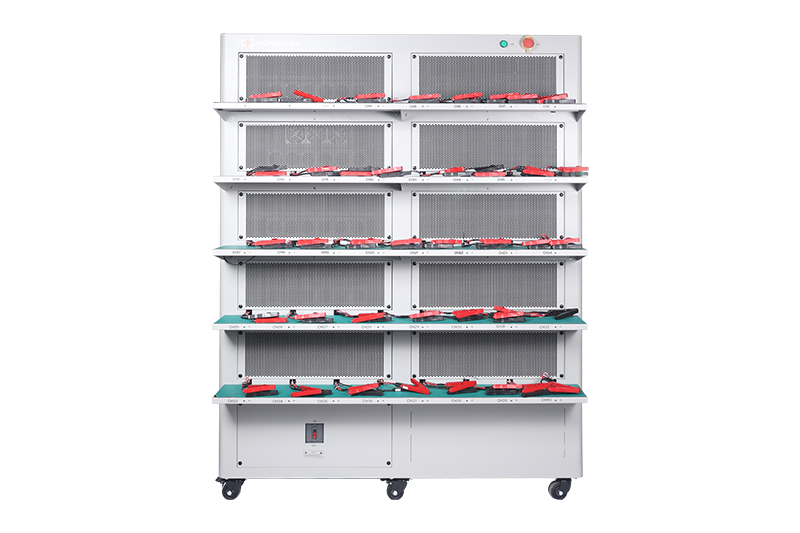 40 channel battery charging and discharging test integrated battery cabinet
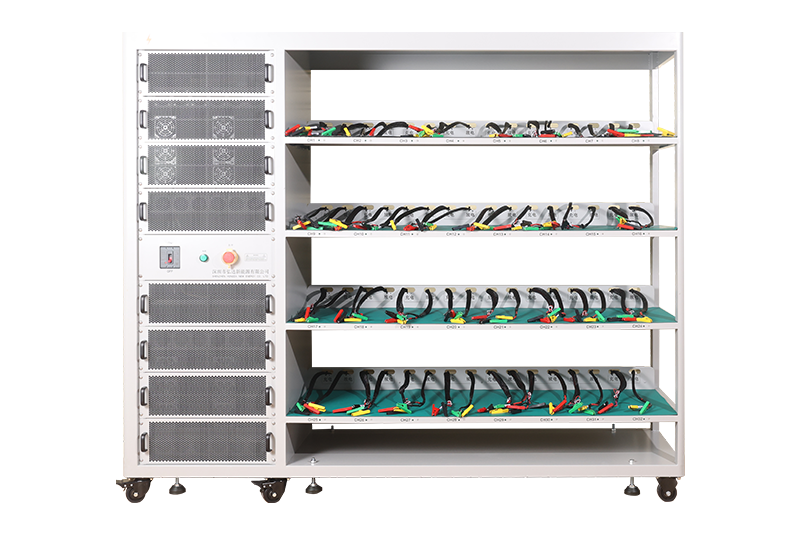 64 channel battery charging and discharging test integrated battery cabinet
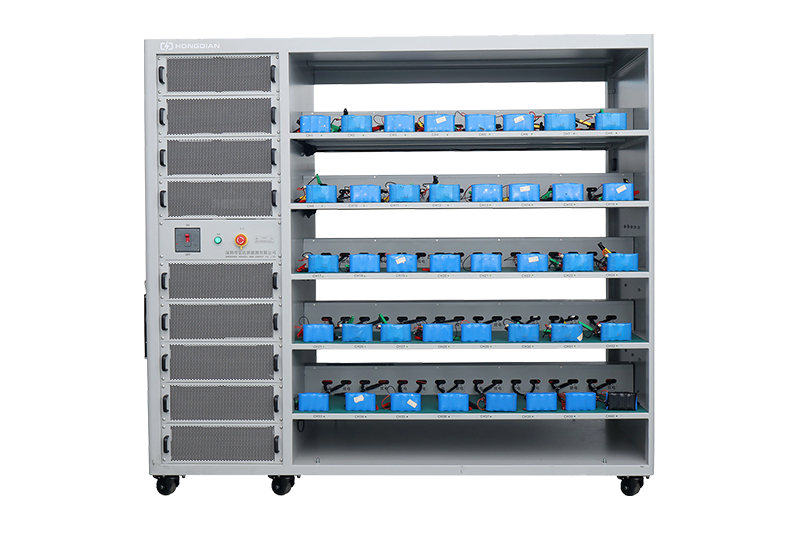 80 channel battery charging and discharging test integrated battery cabinet
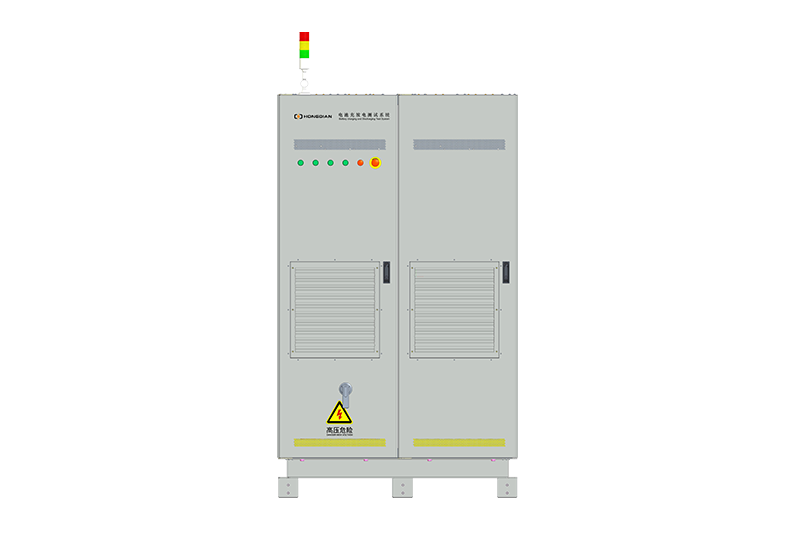 1000V-1500V High Voltage High Current Battery Testing System
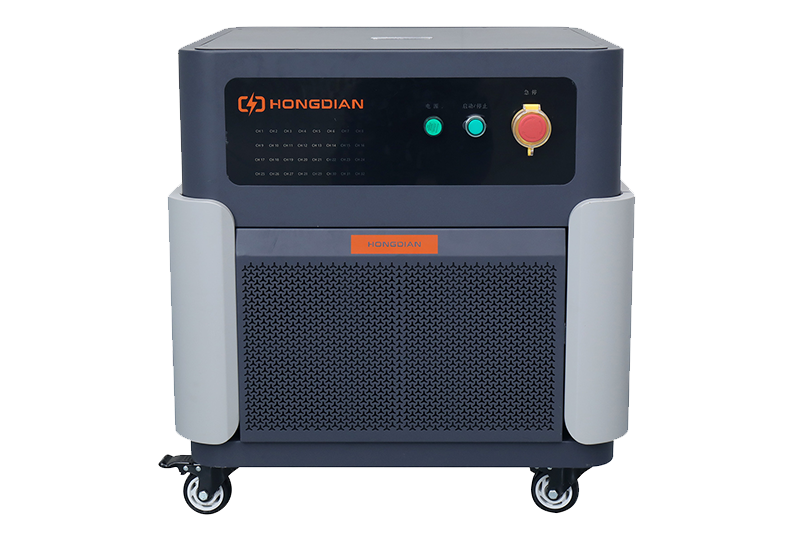 High-Precision Battery Testing System for Enhanced Performance Monitoring 30V/60V/100V/120V
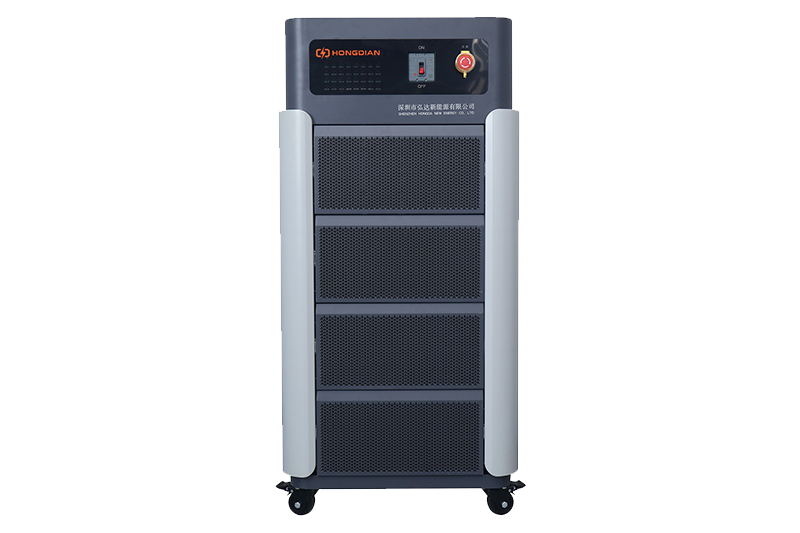 High-Precision Battery Charge Discharge Test Systems for EV Manufacturers
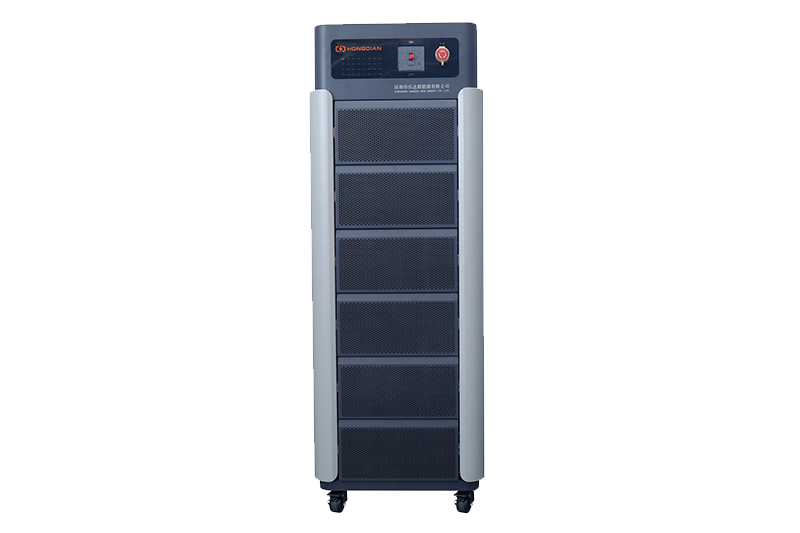 Precision Battery Test Racks for Cell Capacity & Internal Resistance Measurement
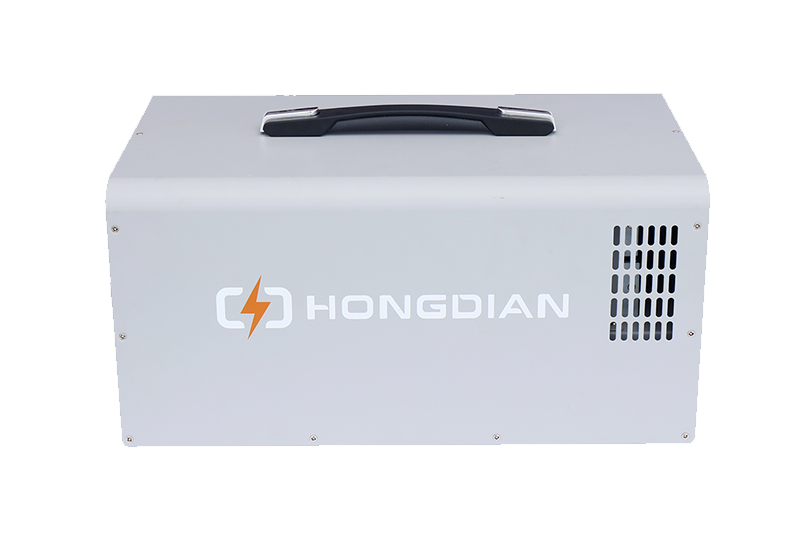 Multi-Channel Battery Testing Equipment for Parallel Performance Analysis