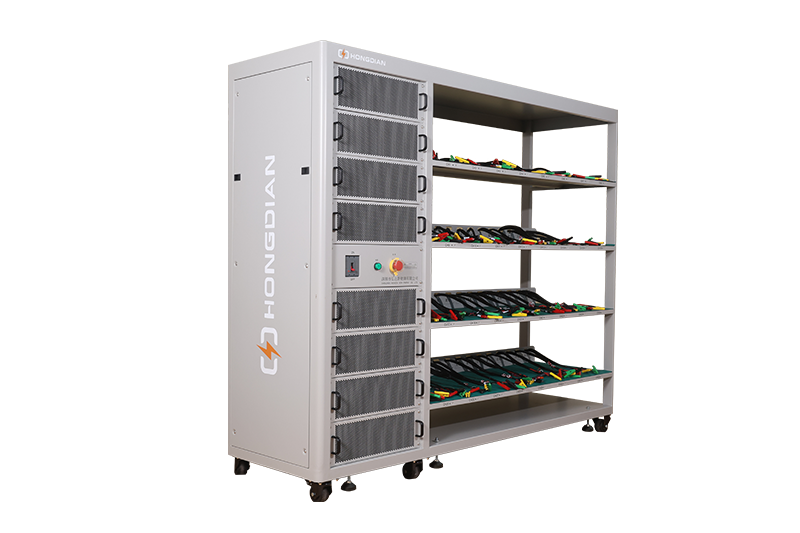
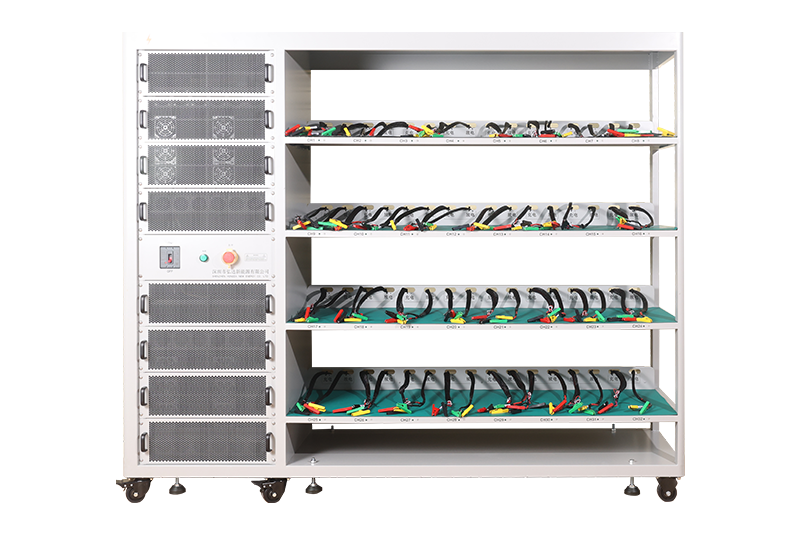
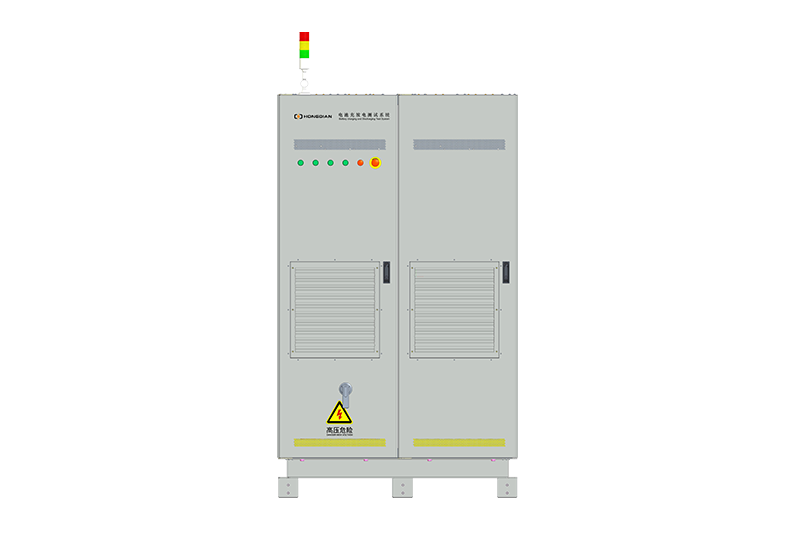
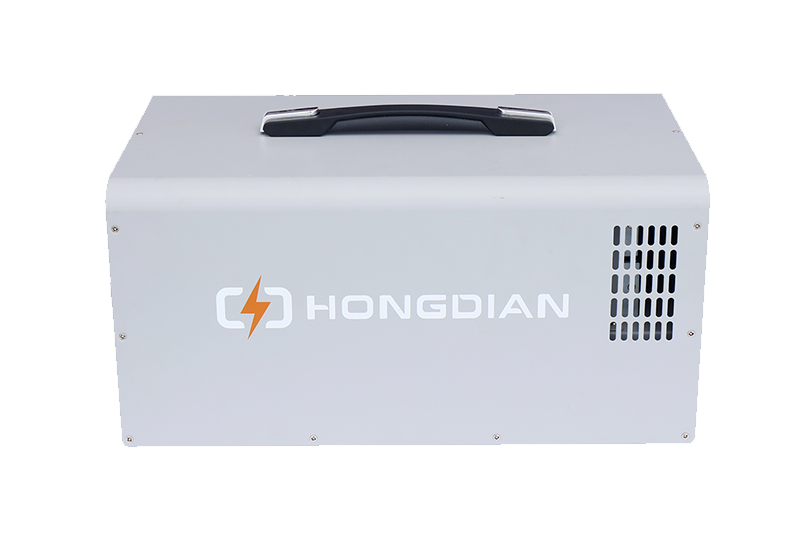
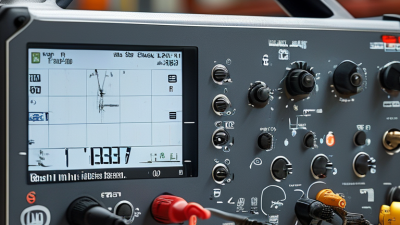
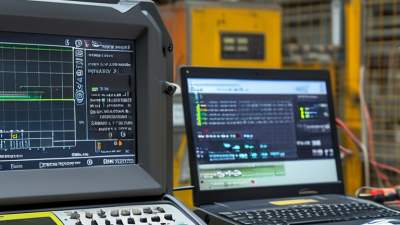
32/48 channel battery charging and discharging test integrated battery cabinet
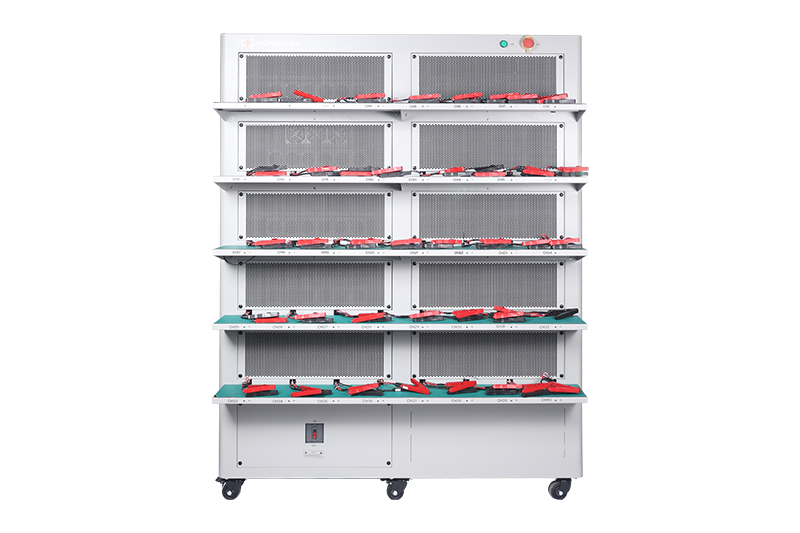
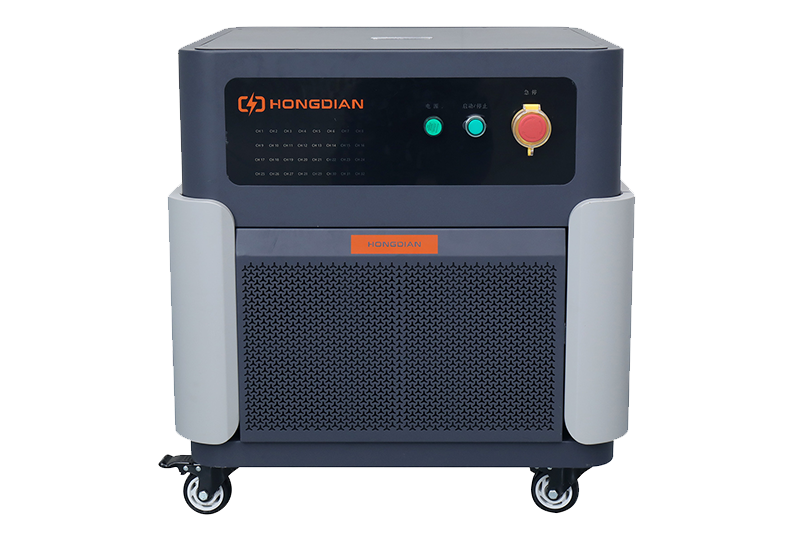
40 channel battery charging and discharging test integrated battery cabinet
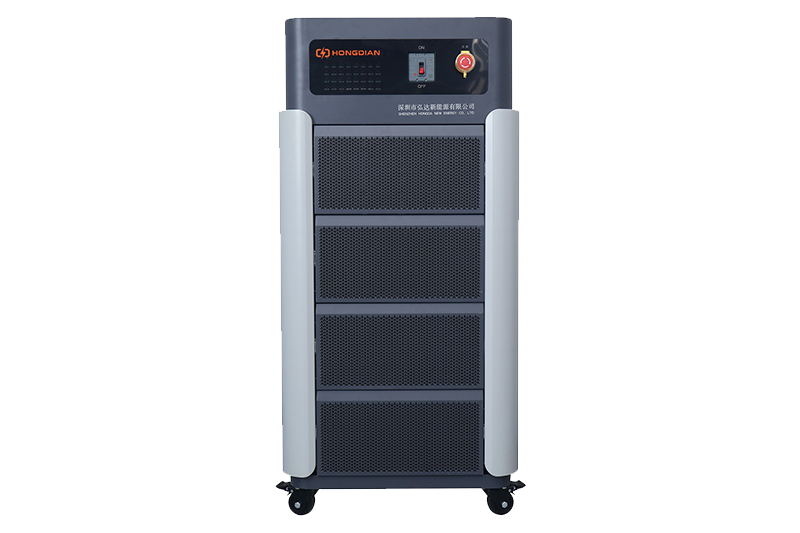
64 channel battery charging and discharging test integrated battery cabinet
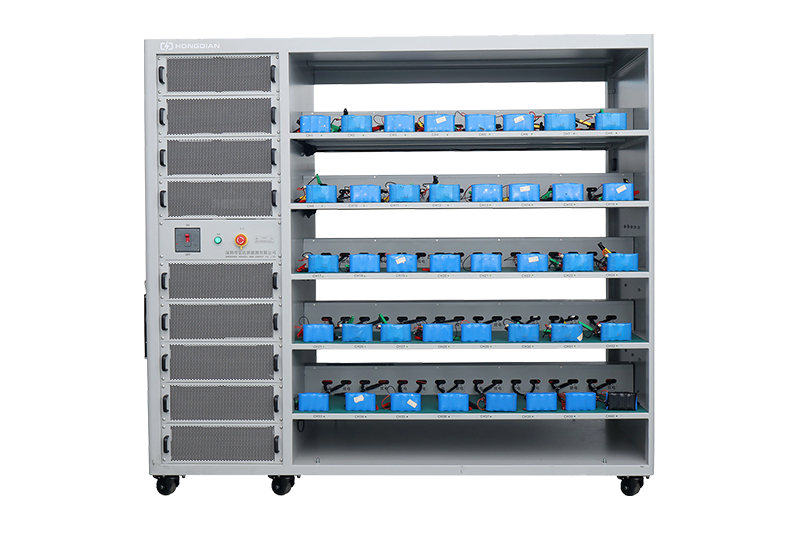
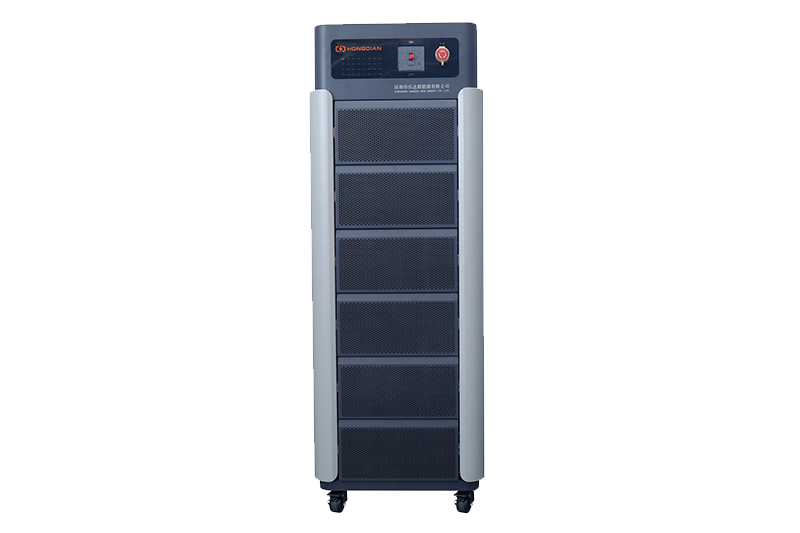
80 channel battery charging and discharging test integrated battery cabinet
Choosing the right Battery Capacity Tester is not a simple matter of comparing screen size or advertised accuracy. A reliable instrument must show how much energy a battery delivers under controlled conditions. It should also record voltage, current, discharge time, temperature, and test interruptions. These details matter on a workshop bench, where a warm battery, loose terminal, or aging cable can change the result.
Battery researcher Jeff Dahn has repeatedly emphasized the central role of measurement, noting, “The battery is the heart of the electric vehicle.” His point applies beyond electric cars. Capacity testing supports purchasing decisions for lithium-ion packs, lead-acid batteries, power stations, and backup systems. A practical tester should match the battery’s chemistry, voltage range, maximum current, and expected capacity. It should provide stable loads instead of relying on rough estimates.
Small errors become expensive.
This guide examines China’s Battery Capacity Tester market through performance, safety, calibration, software, and supplier reliability. Factory photographs can help, but they do not replace test records. Ask whether the manufacturer uses calibrated equipment, provides traceable reports, and tests samples before shipment. Request clear details about cooling, overload protection, data export, and warranty support.
Still, no buying guide can remove every uncertainty. Marketing claims may sound precise while hiding test conditions. Some lower-cost testers perform well, but consistency may weaken after repeated high-current cycles. That possibility deserves attention. A careful buyer compares specifications with real operating evidence, service responsiveness, and long-term measurement stability. The best choice is not always the cheapest or most powerful model. It is the tester that produces dependable results in your actual working environment.
A battery capacity tester measures how much charge a cell can deliver before reaching its cutoff voltage. The core result is ampere-hours, calculated by integrating current over time. Energy capacity adds voltage: Wh equals Ah multiplied by average voltage. A tester should control discharge current, voltage limits, temperature, and data logging. IEC 61960-3 defines important capacity-testing conditions for rechargeable cells, including controlled discharge procedures.
A practical test begins with a complete charge, followed by a rest period. The tester then applies a constant current, such as 0.2C, until the specified cutoff voltage. For a 2,500mAh cell, 0.2C equals 500mA. Temperature matters. The U.S. Department of Energy’s battery test guidance emphasizes repeatable conditions because heat, rest time, and discharge rate can change results. The IEA’s Global EV Outlook 2024 reported that global electric-vehicle battery demand exceeded 750GWh in 2023, growing by about 40%. Reliable testing is no longer a laboratory luxury.
Tips: Choose four-wire measurement for low-resistance cells. Check calibration with a traceable reference load. Record ambient temperature and cell temperature. Never trust one cycle. Three cycles reveal more. A neat number can still mislead. Some testers display capacity higher than expected when voltage sensing is poorly connected. Also, rated capacity is not always real-world capacity. Fast discharge, aging, and cold conditions may reduce it sharply. A buying decision should compare current accuracy, cutoff control, channel consistency, safety protection, and exportable test records.
| Data Dimension | Typical Tester or Test Range | What It Measures | Core Measurement Principle | Practical Buying Consideration |
|---|---|---|---|---|
| Battery Chemistry | Lead-acid, Ni-MH, Ni-Cd, Li-ion, LiFePO4 | The battery technologies that the instrument can test safely and accurately. | The tester applies a controlled load or charge-discharge profile according to the battery's nominal voltage, chemistry, and operating limits. | Choose a tester with selectable chemistry profiles and adjustable voltage, current, and cutoff settings. |
| Nominal Voltage | Approximately 1.2 V to 48 V DC for common laboratory and service testers | The stated operating voltage of the battery or battery pack. | The instrument measures terminal voltage using a voltage-sensing circuit and compares it with programmed test limits. | Confirm that the tester supports the complete voltage range of the battery pack, including the fully charged voltage. |
| Capacity Measurement | Typically 0.1 Ah to 1,000 Ah, depending on the model and test current | The amount of charge delivered during a controlled discharge. | Capacity is calculated by integrating discharge current over time: Capacity (Ah) = ∫ Current (A) × Time (h). | Select a current range that covers both small cells and high-capacity battery packs without exceeding the tester's duty rating. |
| Discharge Current | Approximately 10 mA to 100 A for common programmable systems | The current drawn from the battery during capacity testing. | A controlled electronic load maintains a constant-current, constant-power, or user-defined discharge profile. | Constant-current testing is generally easier to compare across samples; verify current accuracy at both low and high settings. |
| Charge Current | Approximately 10 mA to 100 A, depending on the charger channel rating | The current supplied to the battery during charging or cycling. | A regulated source follows a charging sequence such as constant-current/constant-voltage for lithium-ion batteries. | For rechargeable batteries, select independent charge and discharge control with chemistry-specific limits. |
| Voltage Accuracy | Commonly about ±0.05% to ±0.2% of reading or full scale | How closely the displayed voltage corresponds to the actual battery-terminal voltage. | A calibrated analog-to-digital converter samples the voltage through a precision sensing circuit. | Higher accuracy is important when the cutoff voltage is close to the battery's safe operating limit. |
| Current Accuracy | Commonly about ±0.1% to ±0.5% of reading or full scale | How closely the programmed or displayed current matches the actual current. | The tester measures current through a calibrated shunt resistor or an equivalent current-sensing circuit. | Current accuracy directly affects calculated ampere-hours, so check the specification at the intended test range. |
| Voltage Resolution | Typically 1 mV to 100 mV, depending on voltage range | The smallest voltage change that the tester can display or record. | Resolution is determined by the analog-to-digital converter, measurement range, and digital processing. | Use millivolt-level resolution for single-cell analysis and battery research; larger packs may require less resolution. |
| Current Resolution | Typically 1 mA to 100 mA, depending on the current range | The smallest current increment that can be measured or programmed. | The measurement circuit converts the voltage across the current shunt into a digital current value. | Low-current resolution is essential for button cells, small rechargeable cells, and standby-current tests. |
| Cutoff Voltage | Common examples: 0.9 V for Ni-MH, 1.75 V to 1.85 V for lead-acid, and about 2.5 V to 3.0 V for many Li-ion cells | The voltage at which discharge must stop to prevent inaccurate results or battery damage. | The tester continuously monitors terminal voltage and disconnects the load when the programmed threshold is reached. | Cutoff voltage must be adjustable and matched to the battery manufacturer's specification and chemistry. |
| Test Modes | Constant-current, constant-power, pulse, charge-discharge cycle, and resistance tests | The electrical operating conditions used to evaluate the battery. | Control software regulates current, power, voltage, or pulse duration while recording electrical responses over time. | For routine capacity comparison, prioritize programmable constant-current discharge and repeatable cycling. |
| Internal Resistance | Approximately 0.1 mΩ to several ohms, depending on the battery size and test method | The battery's opposition to current flow, which contributes to voltage drop and heat generation. | A current step or AC signal is applied, and resistance is estimated using R = ΔV / ΔI. | Specify whether the tester uses a DC pulse or AC impedance method because the results are not directly interchangeable. |
| Data Sampling Interval | Typically 100 ms to 60 seconds | How frequently voltage, current, temperature, and time data are recorded. | The data logger samples sensor signals at a programmed interval and stores the readings for analysis. | Short intervals capture voltage sag and pulse behavior; longer intervals reduce file size during extended capacity tests. |
| Temperature Measurement | Commonly 0 °C to 80 °C, with sensor-dependent accuracy | Battery temperature during charging, discharging, or cycling. | A thermistor, RTD, or digital temperature sensor monitors the battery surface or test fixture. | Choose temperature channels and automatic cutoff protection for high-current or long-duration testing. |
| Channel Configuration | 1 to 128 independent channels, depending on the system size | The number of batteries that can be tested simultaneously. | Each channel uses separate sensing and control paths so that batteries can be tested under independent conditions. | Independent channels improve sample-to-sample comparison and prevent one battery from affecting another. |
| Energy Measurement | Typically reported in Wh or kWh | The total electrical energy delivered or absorbed during a test. | Energy is calculated by integrating power over time: Energy (Wh) = ∫ Voltage (V) × Current (A) × Time (h). | Use energy data when comparing batteries with different voltage levels or evaluating power-system efficiency. |
| Safety Protections | Overvoltage, overcurrent, overtemperature, reverse polarity, short circuit, and timeout protection | Protection against abnormal operating conditions during testing. | Hardware and software limits interrupt the charge or discharge path when a measured value exceeds the programmed threshold. | Safety functions should operate independently of software where possible and should be easy to verify during maintenance. |
| Calibration Interval | Commonly every 12 months, or according to the laboratory quality system | The recommended period for verifying measurement accuracy. | Voltage and current readings are compared with traceable reference instruments and adjusted when necessary. | Request calibration procedures, uncertainty information, and accessible test points before purchasing. |
| Typical Test Duration | Several minutes to more than 20 hours, depending on capacity and discharge current | The time required to complete a full charge, discharge, or cycle. | Test duration is approximately related to capacity and current by Time (h) ≈ Capacity (Ah) / Current (A), subject to battery behavior and cutoff conditions. | Check continuous-load capability, cooling, data storage, and unattended-operation features for long tests. |

When comparing a battery capacity tester, start with measurement accuracy, not appearance. A reliable unit should state voltage and current tolerances clearly. Look for four-wire measurement support, especially when testing high-current cells. Cable resistance can otherwise distort results.
Small details matter.
Check the tester’s supported chemistry, voltage range, discharge current, and load control. Lithium-ion, lead-acid, and nickel-based batteries require different test settings. Adjustable current helps you simulate real equipment, such as a 2A portable device or a 20A backup system. A temperature sensor adds useful protection. Stop conditions should include low voltage, overheating, time, and capacity limits. Test data should be exportable in CSV format, with voltage, current, temperature, and elapsed time recorded.
Safety features deserve careful comparison. Choose independent overcurrent, reverse-polarity, and over-temperature protection. Confirm that the enclosure can manage heat during long discharge cycles. A clear screen is helpful, but screen brightness does not prove accuracy. It is easy to trust impressive specifications too quickly.
Ask for calibration records, sample reports, and a documented verification method. If possible, compare readings with a recently calibrated reference meter.
No tester is perfect.
Even a well-built unit may need periodic recalibration, and software settings can still cause operator errors. Support quality also matters, including spare leads, manuals, repair access, and realistic delivery terms.
China Best Battery Capacity Tester Buying Guide
Choosing a battery capacity tester starts with chemistry, not price. Lead-acid batteries need a controlled load tester with suitable discharge current and voltage protection. Lithium-ion cells require accurate cutoff control, temperature monitoring, and support for their specific voltage range. A tester designed for one lithium cell may not safely test a multi-cell pack. Nickel-metal hydride batteries need stable current measurement because their voltage curve can appear confusing during discharge.
Check the tester’s measuring range, accuracy, discharge mode, and data storage before buying. Capacity should be recorded in Ah or mAh over time, not estimated from voltage alone. For larger batteries, confirm that the tester can manage heat and continuous current safely. I once trusted a clear digital display too quickly. The result looked professional, but the load setting was unsuitable for the battery type. That mistake changed my buying checklist.
Tips: Match chemistry, voltage, and current first. Use a calibrated meter for comparison. Test in a ventilated area, and inspect cables for heat or looseness. Ask the supplier for test records, calibration details, and protection specifications. A short sample test can reveal unstable readings. Do not skip it. Even experienced users should review the manual, because similar-looking testers may use different cutoff rules. Reliable equipment is not always the most expensive, but its specifications must fit your real testing conditions.
Compare the typical per-cell voltage characteristics of common rechargeable battery chemistries before selecting a capacity tester.
Values shown are typical per-cell reference voltages. Actual limits vary by cell construction, manufacturer specification, temperature, and test method. Always follow the battery datasheet.
Accuracy should guide every battery tester purchase. Check its current range, voltage resolution, and stated measurement uncertainty. A clear calibration certificate is more valuable than impressive screen figures. Ask whether the certificate is traceable to an accredited laboratory. Test the same battery several times. Small errors matter. Differences between repeated results may reveal unstable wiring, poor temperature control, or weak software. For stronger confidence, compare one reading with an independent meter and record the test conditions.
Safety requires more than insulated leads. Choose a tester with reverse-polarity protection, overcurrent control, temperature monitoring, and an emergency stop. The enclosure should resist heat and keep terminals secure. During discharge testing, place the battery on a nonflammable surface and watch for swelling or unusual odor. Usability also affects reliability. A readable display, clear menus, automatic data logging, and simple export functions reduce operator mistakes. However, complicated software can still hide basic errors. Check the manual before purchase.
Tips: Request a sample test report from the supplier. Confirm the tester’s limits with your battery type. Keep records. Recheck calibration after heavy use. A cheaper unit may be enough for routine screening, but demanding laboratory work needs stronger verification and support.
China Best Battery Capacity Tester Buying Guide: Price, Supplier, and Quality Checks for China Battery Testers
Price alone rarely shows a battery capacity tester’s real value. Low-cost units may use unstable current control or limited data storage. Compare measurement accuracy, channel count, software access, calibration support, and warranty length. A cheaper tester can become expensive when repeated tests waste cells and technician time. Request a complete quotation, including packaging, training, replacement parts, and shipping. Hidden costs matter.
Supplier checks require practical evidence. Ask for recent calibration records, sample test reports, product specifications, and quality-control procedures. A reliable supplier should explain voltage accuracy, current tolerance, temperature monitoring, and overload protection clearly. Request a sample unit before placing a large order. Test it with batteries of different capacities. Good communication is important, but written technical answers are stronger.
Quality is visible in small details. Inspect cable connectors, channel labels, cooling fans, emergency controls, and software logs. Exported data should show current, voltage, time, temperature, and test status. Verify whether the tester supports your battery chemistry and local power standard. I would not trust impressive screenshots alone. One weakness remains: factory claims can change after delivery, so acceptance testing should be included in the purchase agreement. A short trial exposes problems early.