China Top Lithium Battery Checker Suppliers Buyers Guide
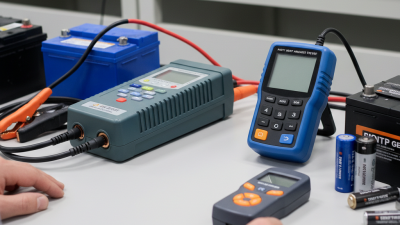
Choosing the right Lithium Battery Checker can shape testing accuracy, production efficiency, and long-term customer trust. This guide examines China-based suppliers for buyers seeking dependable inspection equipment. It focuses on measurable performance, not attractive catalog images.
A capable checker should handle the battery types your operation actually uses. Consider lithium-ion, LiFePO4, pouch, cylindrical, and prismatic cells. Check voltage range, current accuracy, internal resistance measurement, capacity testing, and data export functions. A bright screen helps, but stable readings matter more. Calibration records matter most. Dr. Jeff Dahn, a leading battery researcher, is often associated with the practical principle, “You cannot improve what you cannot measure.” That idea remains highly relevant when comparing suppliers, models, and test results.
Look closely at the supplier’s technical experience. Ask for sample reports, calibration procedures, software demonstrations, and references from comparable factories or laboratories. Confirm whether the equipment supports your required testing speed and battery dimensions. Safety features also deserve attention, including overvoltage protection, temperature monitoring, emergency shutdown, and insulated test fixtures. These details can prevent damaged cells and misleading results.
No supplier is perfect. Even a well-built Lithium Battery Checker may require operator training or periodic recalibration. Some specifications look impressive but perform differently on a busy production line. That is where careful validation becomes necessary. Request a trial unit when possible. Compare readings against a trusted reference instrument. Small inconsistencies can become expensive errors. This buyer’s guide helps readers assess Chinese manufacturers with clearer expectations, practical questions, and a healthier degree of skepticism.
Lithium Battery Checkers: Functions, Types, and Testing Principles
China Top Lithium Battery Checker Suppliers Buyers Guide
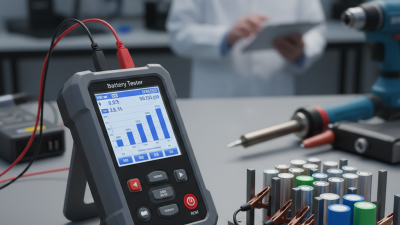
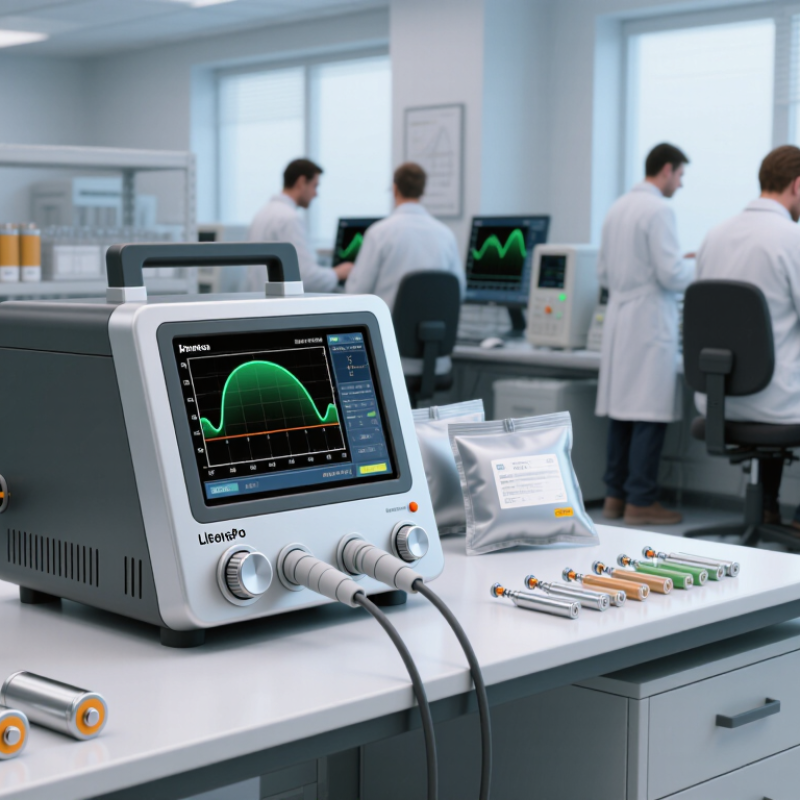
Lithium battery checkers measure key electrical and safety parameters during production, inspection, and maintenance. Their core functions include voltage testing, current measurement, capacity checks, internal resistance analysis, and data recording. Some models also monitor temperature through surface probes or connected sensors.
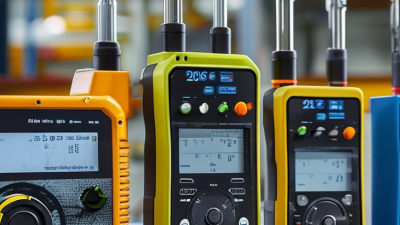
Different battery formats require different checker types. A handheld tester suits incoming inspection and field service. A bench unit offers better accuracy for laboratory comparison. Automated systems support cell grading, pack testing, and repeated charge-discharge cycles. Four-wire resistance measurement reduces lead errors, especially when testing low-resistance cells. It sounds simple. It is not.
Testing usually begins with open-circuit voltage, followed by controlled current loading. The device observes voltage drop and calculates resistance from measured values. Capacity testing applies a defined charge or discharge profile over time. Reliable results depend on stable contacts, correct settings, calibration records, and controlled temperature. In practical factory checks, dirty terminals can create surprisingly high readings. I have seen one loose probe imitate a defective cell. That mistake deserves attention. A checker should protect against overcurrent and overheating, but operators still need training. Before purchasing from a Chinese supplier, buyers should request sample reports, calibration evidence, communication protocols, and after-sales testing support. Specifications can look impressive, yet repeatability matters more than a single attractive result.
Key Specifications for Comparing Lithium Battery Checker Suppliers
Choosing a lithium battery checker supplier in China requires more than comparing catalog prices. According to the IEA’s Global EV Outlook 2024, global electric vehicle battery demand exceeded 750 GWh in 2023. That scale makes measurement reliability critical. Buyers should verify voltage accuracy, current accuracy, channel consistency, and test resolution. A checker showing 0.05% voltage accuracy may still produce weak results if calibration is poorly controlled.
Look for practical specifications. Confirm the supported voltage range, charge and discharge current, sampling interval, temperature monitoring, and channel count. For production lines, response time and data export matter greatly. The system should record serial numbers, test curves, alarms, and operator actions. These records support traceability under quality systems such as ISO 9001. IEC 62133-2 and UN 38.3 requirements also make controlled testing and transport documentation important. Do not accept vague claims.
Energy-storage demand is expanding quickly. The IEA reported that battery storage additions reached about 42 GW globally in 2023. Suppliers should therefore explain how their checker handles cylindrical, prismatic, and pouch cells. Ask for calibration certificates, sample reports, software update policies, and after-sales response times. A factory demonstration is useful. It is not proof.
Price comparisons can mislead. BloombergNEF reported an average lithium-ion battery pack price of 139 US dollars per kWh in 2023, but testing equipment affects yield, labor, and warranty costs. A cheaper checker may lack stable software or suitable thermal protection. My own buying experience suggests requesting real test data from three production batches, not one polished sample. No checklist is perfect. Recheck assumptions.
China Top Lithium Battery Checker Suppliers Buyers Guide — Key Specifications for Comparing Lithium Battery Checker Suppliers
Use the chart below as a voltage-coverage reference when comparing lithium battery checker suppliers. The values are calculated from widely used full-charge limits: 4.20 V per cell for common NMC lithium-ion batteries and 3.65 V per cell for lithium iron phosphate (LFP) batteries. A checker should support the complete voltage range of the intended battery pack with suitable safety headroom.
In addition to voltage range, buyers should compare measurement accuracy, current capability, supported cell counts, balancing channels, test-cycle control, data export, safety protection, calibration options, and after-sales technical support.
How to Evaluate China-Based Lithium Battery Checker Manufacturers
Choosing a China-based lithium battery checker requires more than comparing prices. The IEA’s Global EV Outlook 2024 reports that global battery demand exceeded 750 GWh in 2023. This growth increases pressure on testing accuracy, speed, and traceability. Evaluate manufacturers through factory audits, calibration records, and verified application experience. Ask whether their systems support capacity, voltage, internal resistance, insulation, and safety tests. Check compliance with relevant standards, such as IEC 62619 and ISO/IEC 17025 calibration practices. Certificates alone are not enough.
Request a live demonstration using cells similar to your production model. Observe probe contact, barcode tracking, alarm handling, and data export. A reliable checker should produce stable results across repeated tests. It should also protect records from uncontrolled editing. Review software updates, spare-part availability, operator training, and response times. In practical evaluations, weak documentation often causes more delays than hardware faults. This is easy to underestimate. No checklist is perfect, and supplier claims still require independent verification.
Tips: Compare test data from three repeated runs, not one sample. Request calibration uncertainty and traceability documents. Inspect the production line, not only the showroom. Ask for anonymized customer case evidence. Test communication with your existing manufacturing system. A low quotation may hide fixture costs, software licenses, or long-term maintenance gaps. Leave room for these risks in your purchasing decision.
A Buyer’s Process for Selecting the Right Battery Checker Supplier
China Top Lithium Battery Checker Suppliers Buyers Guide: A Buyer’s Process for Selecting the Right Battery Checker Supplier
Battery production is scaling quickly. The IEA’s Global EV Outlook 2024 reports that global electric-vehicle battery demand exceeded 750 GWh in 2023, rising about 40% year on year. This growth makes measurement reliability more important than a low quotation. Define the application first: cell chemistry, voltage range, test current, accuracy, cycle time, and daily throughput. Then ask suppliers for calibration records, uncertainty data, and test reports linked to recognized standards such as IEC 62133-2.
See the equipment running.
A practical factory check should include sample testing with your own cells. Watch how the checker handles unstable voltage, warm connectors, barcode errors, and repeated measurements. BloombergNEF reported average lithium-ion pack prices of 115 USD per kWh in 2024, down 20% from the previous year. Lower costs increase production pressure, but a fast tester is not automatically a good tester. Review software permissions, data export formats, traceability, spare-part availability, and remote support response times. A supplier should explain failure limits clearly, not hide behind impressive brochures.
Do not skip the uncomfortable questions. Can the supplier reproduce results after calibration? What happens when a fixture wears out? Request a factory acceptance test and define acceptance criteria before payment. One weakness in this process is relying too heavily on promised accuracy; real production dust, vibration, and operator habits can change results. A small pilot run often reveals more than a long presentation.

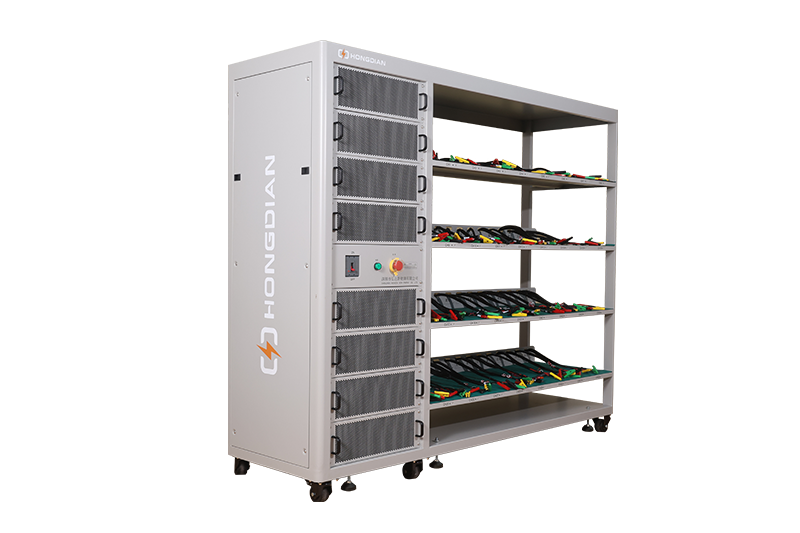 32/48 channel battery charging and discharging test integrated battery cabinet
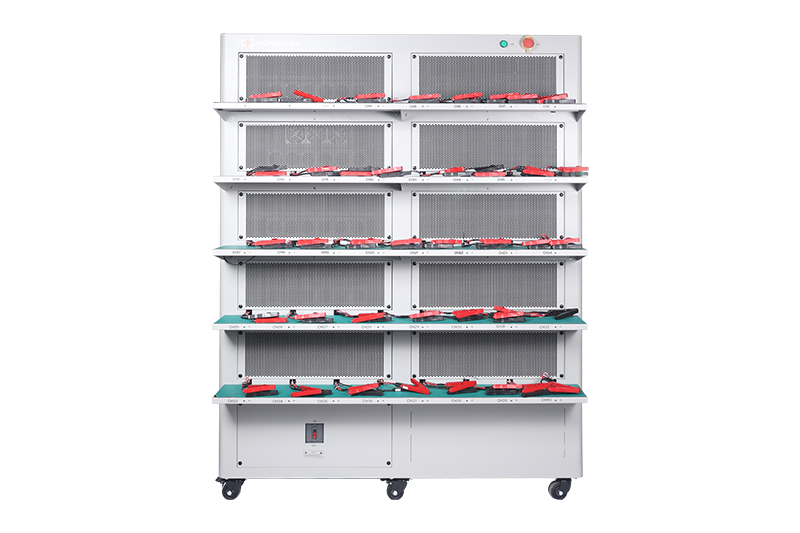 40 channel battery charging and discharging test integrated battery cabinet
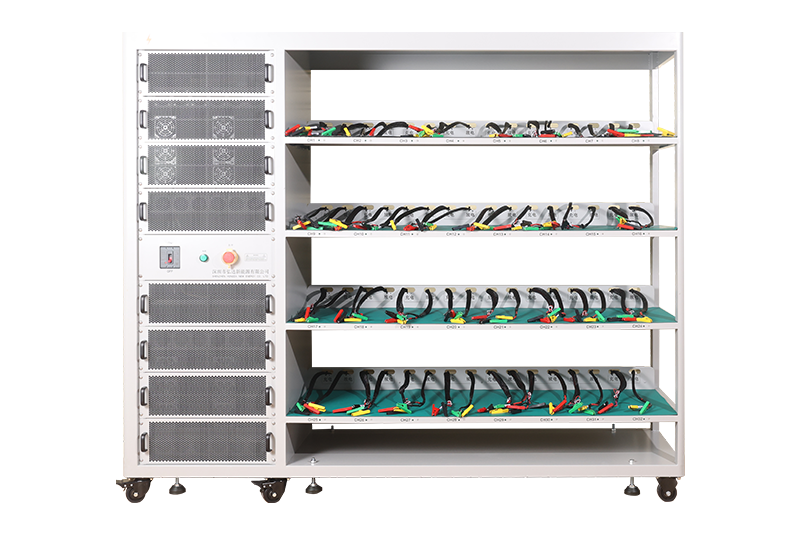 64 channel battery charging and discharging test integrated battery cabinet
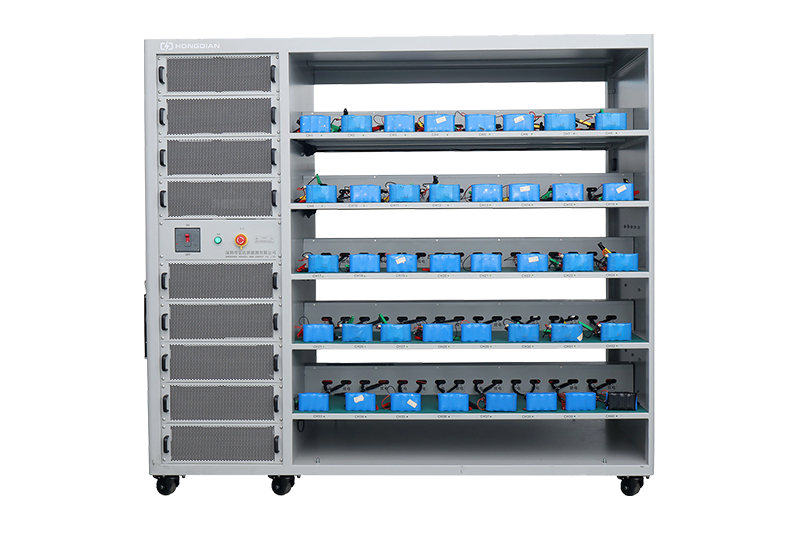 80 channel battery charging and discharging test integrated battery cabinet
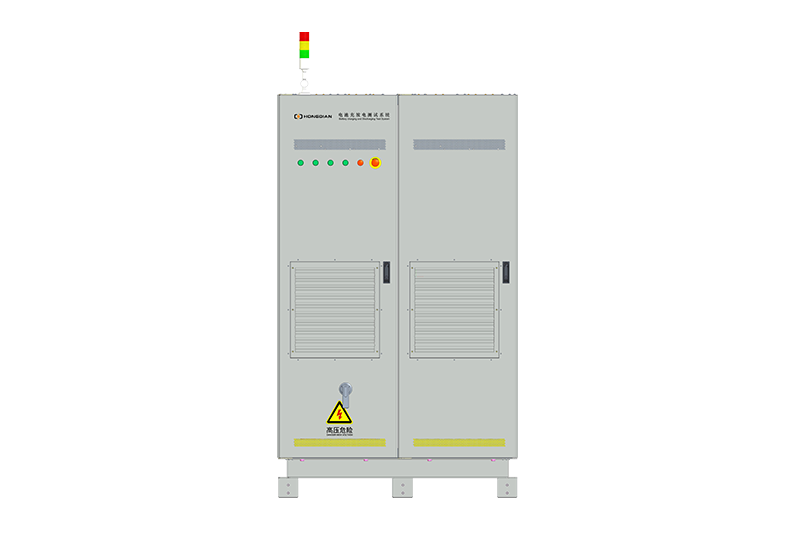 1000V-1500V High Voltage High Current Battery Testing System
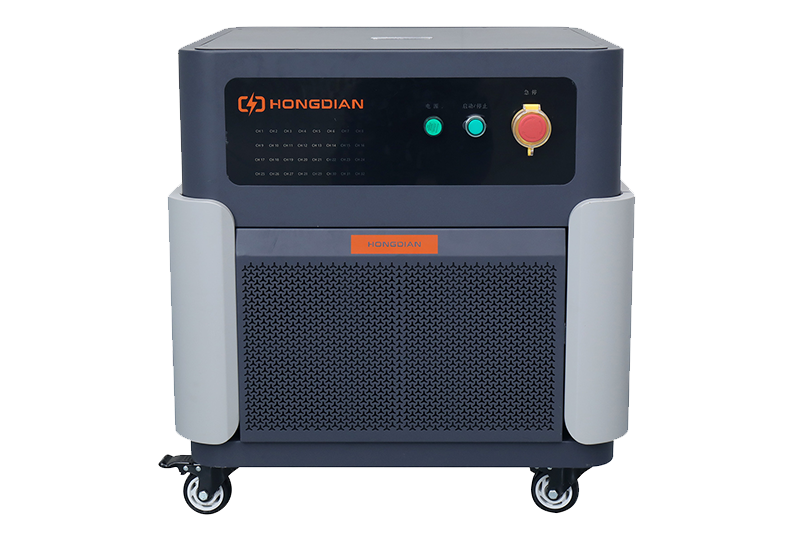 High-Precision Battery Testing System for Enhanced Performance Monitoring 30V/60V/100V/120V
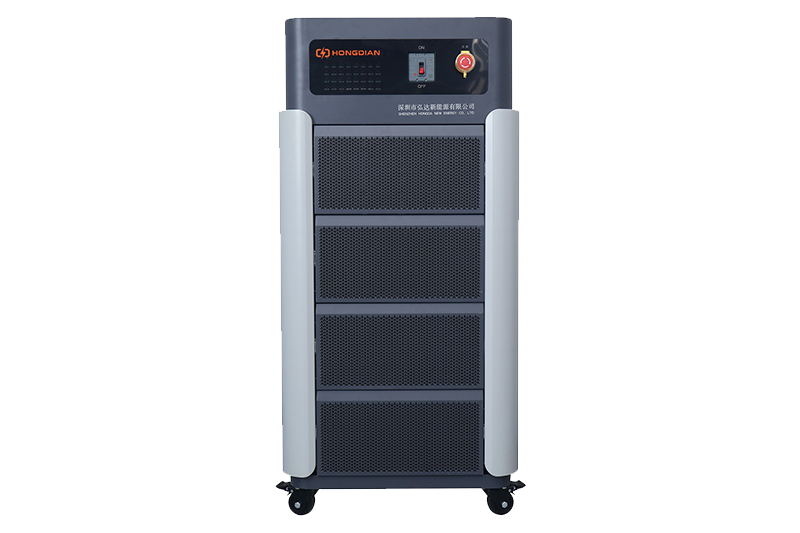 High-Precision Battery Charge Discharge Test Systems for EV Manufacturers
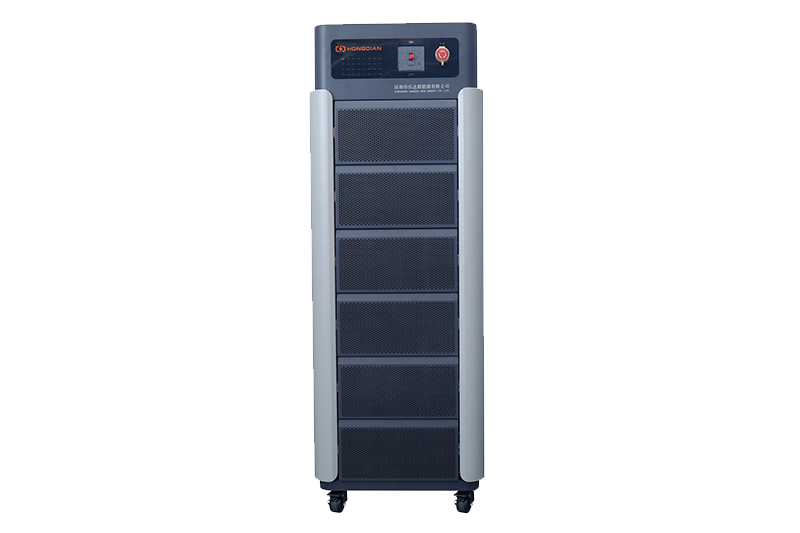 Precision Battery Test Racks for Cell Capacity & Internal Resistance Measurement
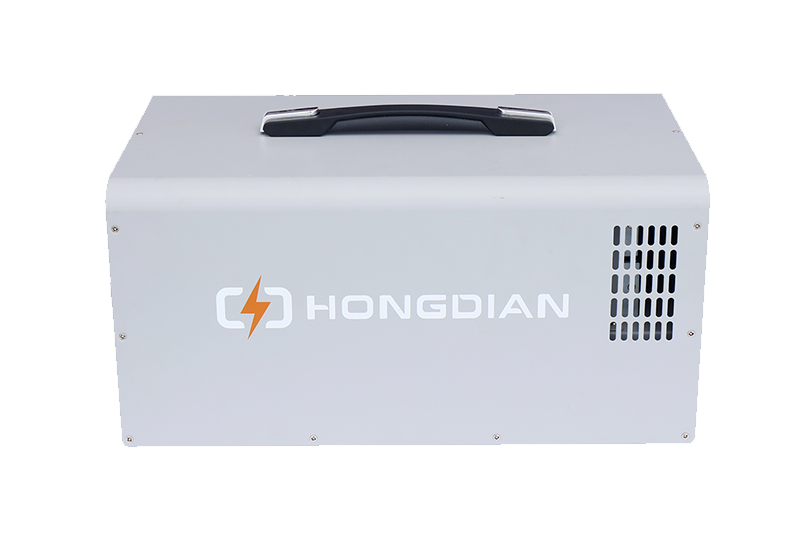 Multi-Channel Battery Testing Equipment for Parallel Performance Analysis