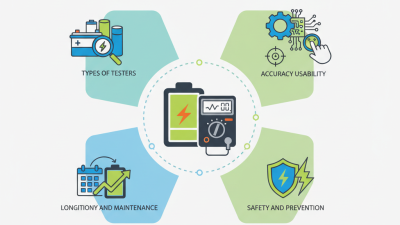
How to Choose a Battery Capacity Tester in 2026?
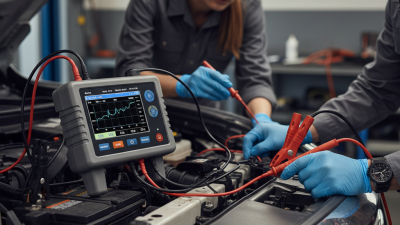
Choosing a Battery Capacity Tester in 2026 requires more than comparing screen size, price, or advertised accuracy. The right instrument should match your battery chemistry, voltage range, capacity, and testing purpose. A hobbyist checking 18650 cells needs different features from a laboratory evaluating lithium-ion modules or backup batteries. Think carefully.
In practical testing, a reliable tester should provide stable constant-current discharge, adjustable voltage cutoffs, temperature monitoring, and clear capacity reports. Four-wire measurement can reduce the effect of lead resistance, especially when testing high-current cells. Data logging also matters. It helps you compare repeated cycles instead of trusting one impressive result. A glossy screen is not proof.
Experience shows that battery capacity changes with temperature, discharge rate, age, and storage history. A cell rated at 3,000 mAh may deliver less capacity under a faster load or colder conditions. Therefore, buyers should examine calibration procedures, measurement tolerances, safety protections, software support, and replacement policies. Professional users should also confirm whether the tester fits relevant laboratory procedures and manufacturer recommendations.
Some specifications remain easy to misunderstand. “High precision” can describe voltage readings while hiding weak current control or poor thermal management. That is a real concern. Before choosing, define the test conditions, expected workload, and acceptable uncertainty. This guide will compare key features, common mistakes, and practical selection criteria, while recognizing that no Battery Capacity Tester performs perfectly in every environment. Reliable results come from suitable equipment, careful setup, and honest interpretation.

What a Battery Capacity Tester Measures
How to Choose a Battery Capacity Tester in 2026?
What a Battery Capacity Tester Measures
A battery capacity tester measures how much charge a battery delivers under defined conditions. Its core result is ampere-hours (Ah), calculated from current over time. Energy capacity appears as watt-hours (Wh), using voltage and delivered charge. A 12 V battery producing 5 A for four hours provides roughly 20 Ah, but voltage gradually falls during discharge. The tester must record that curve.
It also monitors voltage, current, elapsed time, and often temperature. Temperature matters. A cold cell may show reduced capacity, while heat can produce misleadingly strong results. The U.S. Department of Energy’s Battery Test Manual for Electric Vehicles emphasizes controlled temperature, discharge rate, and cutoff voltage during capacity testing. Without these controls, two test results may not be comparable.
Small details matter.
Look for programmable current, accurate voltage sensing, and clear data export. A tester should stop at the selected cutoff voltage and protect against over-discharge. IEC 61960-3:2017 provides standardized performance methods for rechargeable lithium cells. This helps buyers compare equipment more fairly. The IEA’s Global EV Outlook 2024 reported battery demand above 750 GWh in 2023, making dependable capacity verification increasingly important.
Still, capacity is not the whole story. Internal resistance, cycle life, and temperature behavior may reveal problems that one discharge test misses. I sometimes treat one reading as truth. That is a mistake. Repeated tests are wiser.
How to Match the Tester to Your Battery Type
Choosing a battery capacity tester starts with chemistry, not screen size. A lead-acid battery needs controlled discharge and voltage limits suited to flooded, AGM, or gel designs. Lithium-ion cells need stricter cutoff control, temperature monitoring, and protection against over-discharge. Nickel-metal hydride batteries require different charge and discharge behavior. The IEC 60095, IEC 62620, and IEC 61951 standards describe important testing conditions for these battery families.
Capacity is normally measured in ampere-hours under a defined current and cutoff voltage.
That definition matters. The IEA’s Global EV Outlook 2024 reported nearly 14 million electric cars sold in 2023, showing how quickly lithium-based systems are expanding. Yet a tester designed only for large traction packs may perform poorly on a 12-volt service battery. Match the instrument’s voltage range, current range, connector method, and cooling requirements to the battery’s actual size.
Check the test profile carefully. A 0.2C discharge is common for capacity comparison, but some applications demand higher current pulses. The tester should record voltage, temperature, elapsed time, and capacity continuously. A 2023 report from the International Energy Agency noted that battery demand for electric vehicles reached about 750 GWh in 2023, increasing the need for repeatable verification. Still, one overlooked detail remains: rated capacity is not real-world capacity. Age, temperature, and rest time can change results. I would verify calibration before trusting a perfect-looking graph.
Safety, Accuracy, and Calibration Requirements
Choosing a battery capacity tester in 2026 requires more than checking its maximum current. The International Energy Agency reported that electric vehicle battery demand exceeded 750 GWh in 2023, rising about 40% from 2022. Higher production makes reliable verification essential.
Look for four-wire measurement, programmable current limits, thermal monitoring, emergency shutdown, and reverse-polarity protection.
A metal enclosure and independent fusing add practical protection during abnormal tests.
Accuracy depends on the complete measurement chain. Voltage resolution is not enough. Check current accuracy, sampling speed, integration error, and temperature compensation. The tester should support an uncertainty budget for capacity, especially during low-current discharge.
Calibration certificates should show traceability to national standards. ISO/IEC 17025 is a useful reference for competent calibration laboratories.
Do not accept a certificate with only a date and a pass statement. It should identify uncertainty, test points, and environmental conditions.
Tips:
Use a certified reference shunt and a calibrated thermometer during acceptance testing. Compare the tester with a second instrument before trusting unexpected results. Set calibration intervals from drift data, not habit; three months may suit heavy laboratory use, while twelve months may suit stable systems. Record cable resistance and connector temperature. Small details matter. A common mistake is trusting the display without checking the wiring. I would also repeat one test after cooling the battery, because repeatability can expose weaknesses that a single accurate-looking result hides.

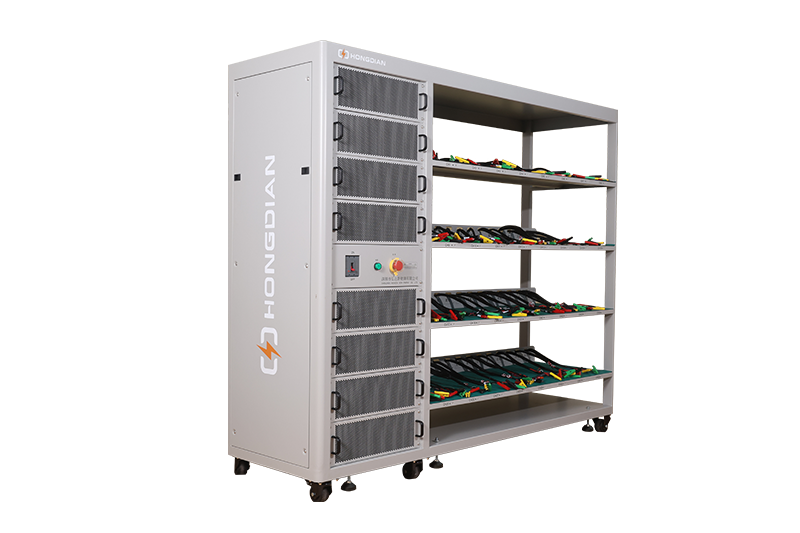 32/48 channel battery charging and discharging test integrated battery cabinet
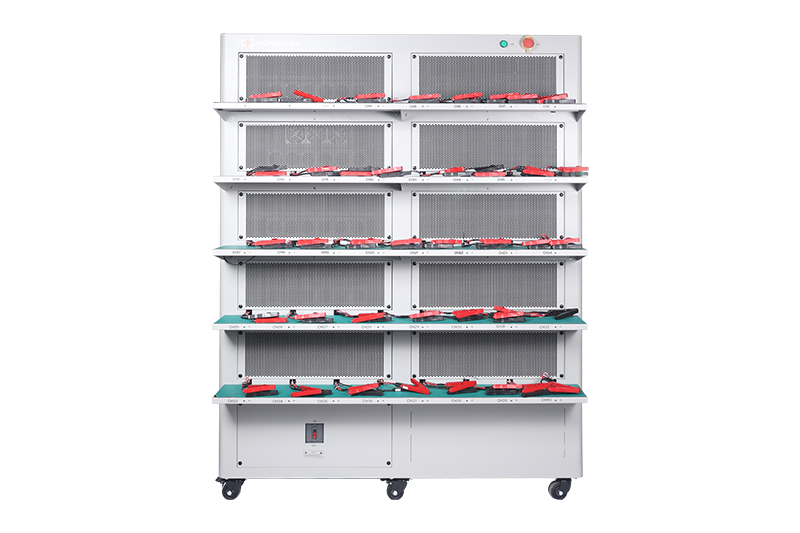 40 channel battery charging and discharging test integrated battery cabinet
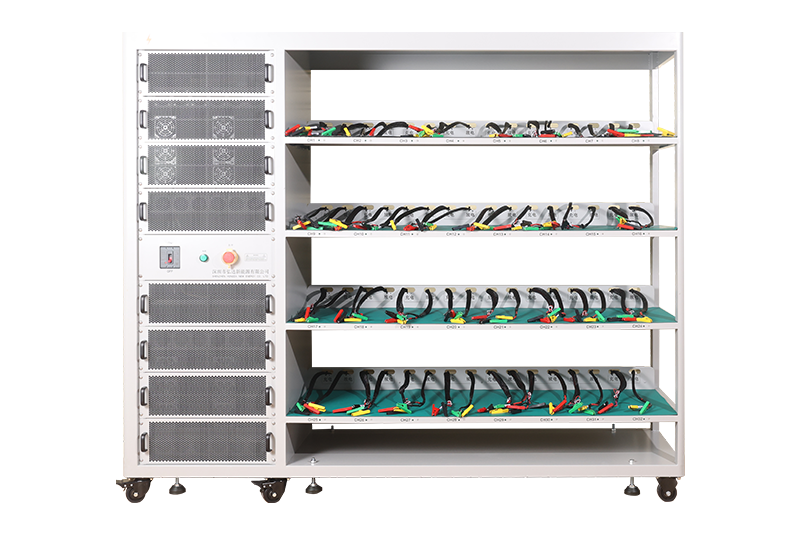 64 channel battery charging and discharging test integrated battery cabinet
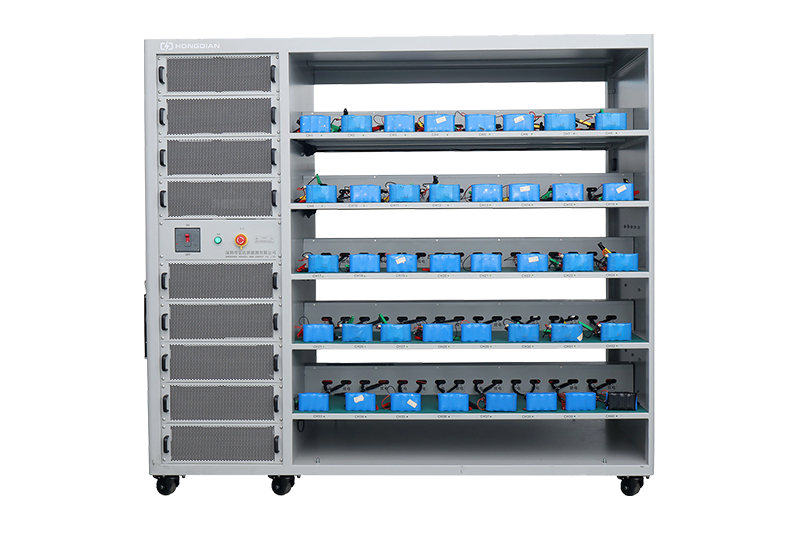 80 channel battery charging and discharging test integrated battery cabinet
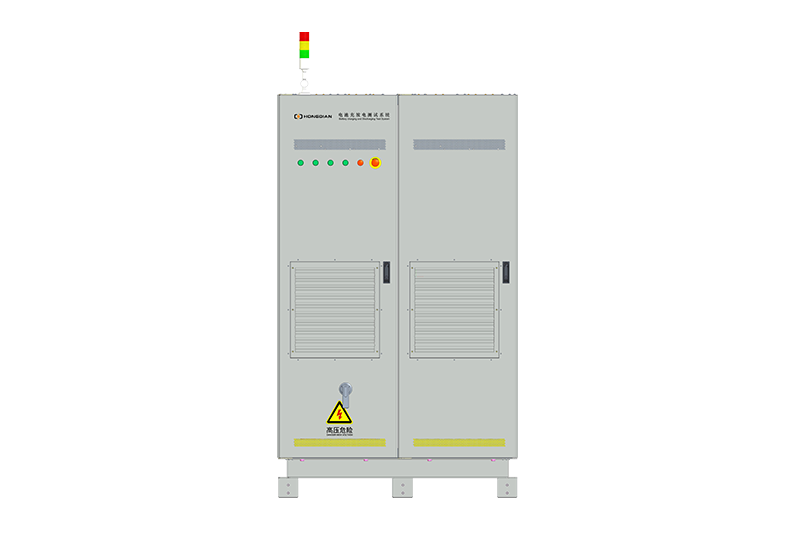 1000V-1500V High Voltage High Current Battery Testing System
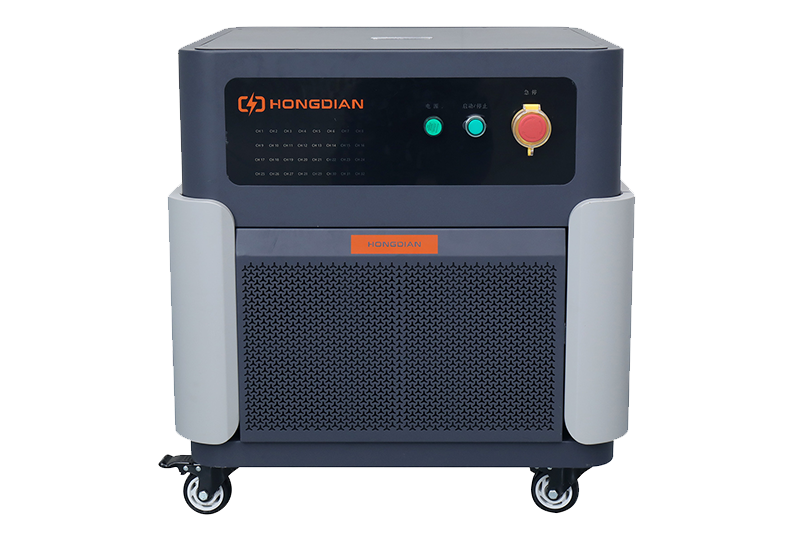 High-Precision Battery Testing System for Enhanced Performance Monitoring 30V/60V/100V/120V
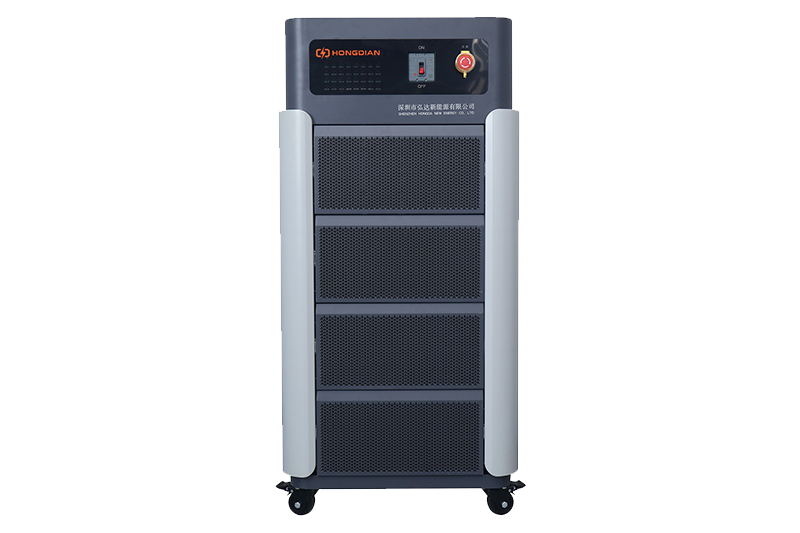 High-Precision Battery Charge Discharge Test Systems for EV Manufacturers
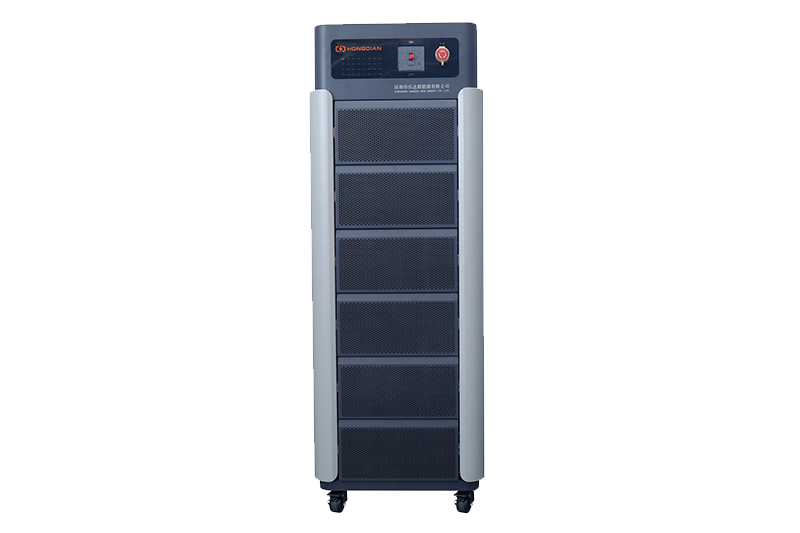 Precision Battery Test Racks for Cell Capacity & Internal Resistance Measurement
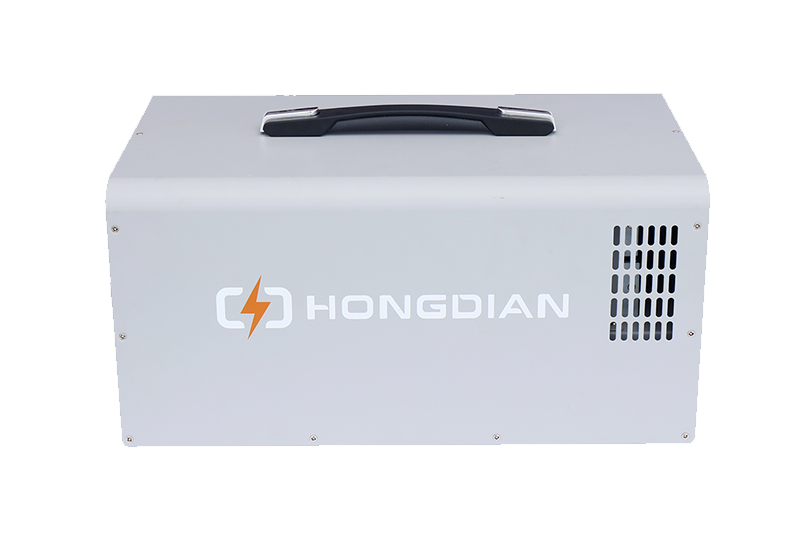 Multi-Channel Battery Testing Equipment for Parallel Performance Analysis