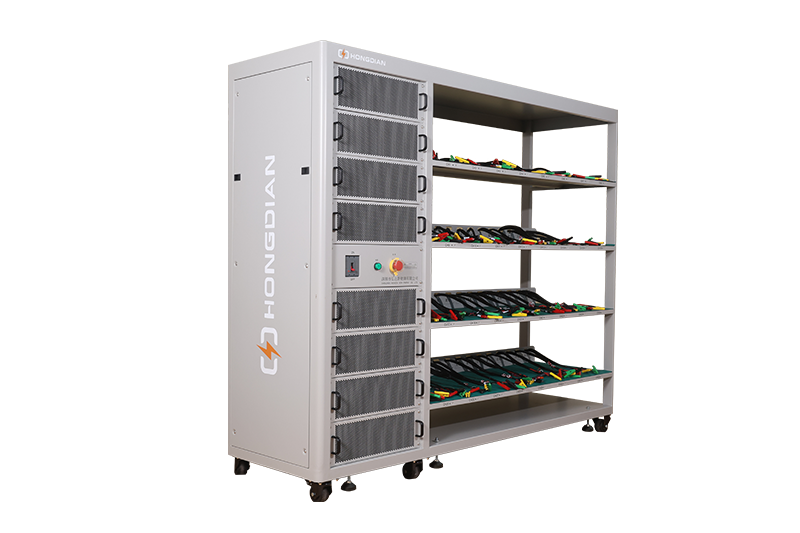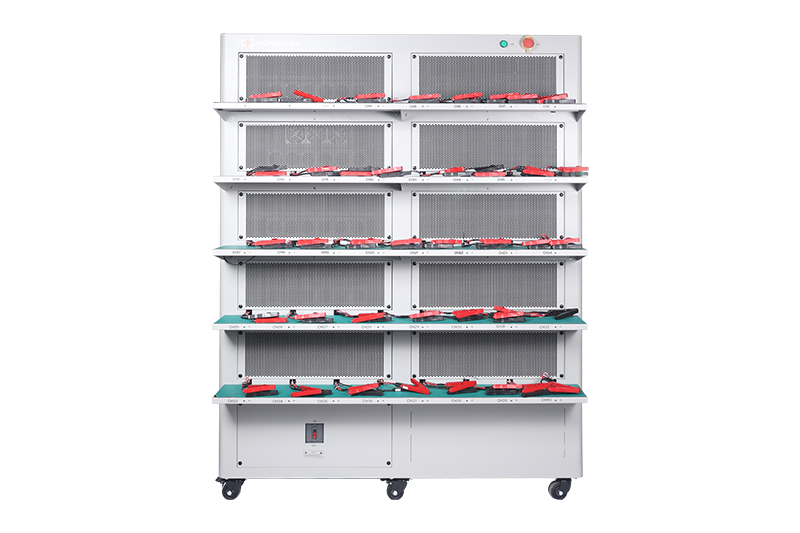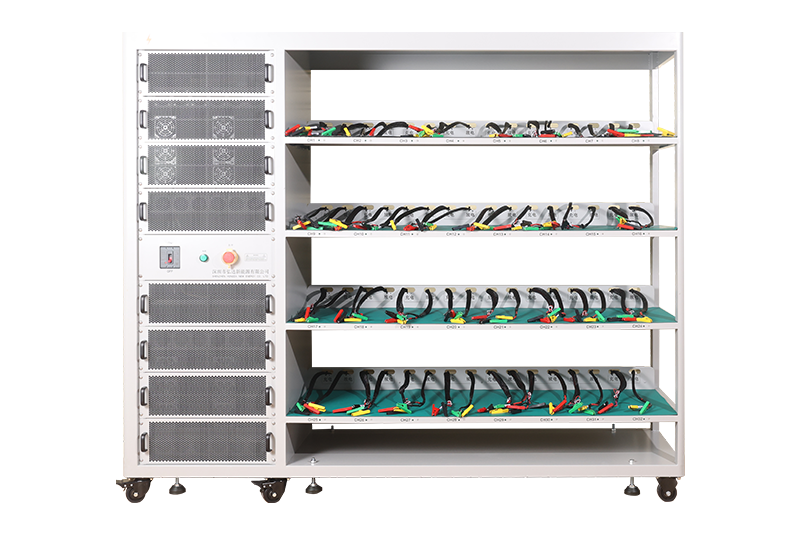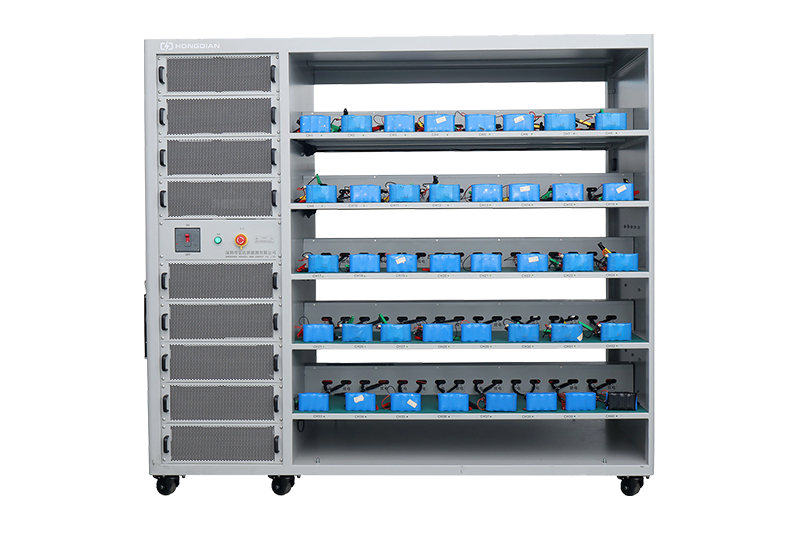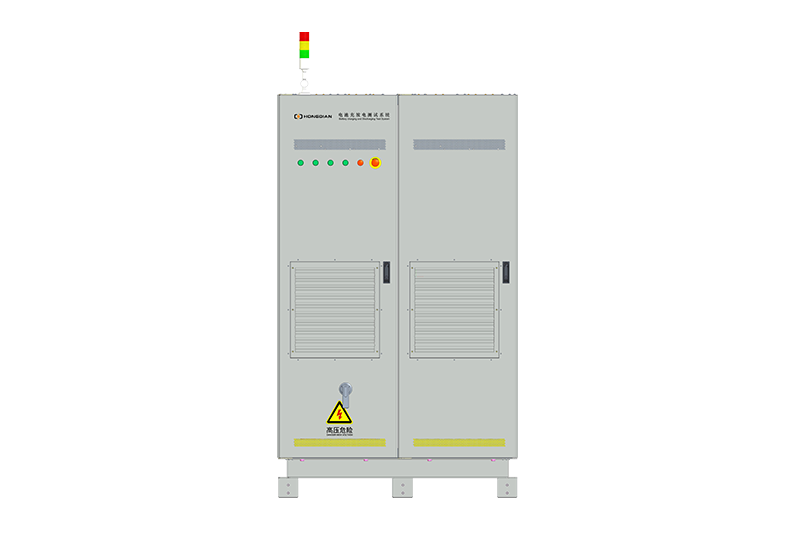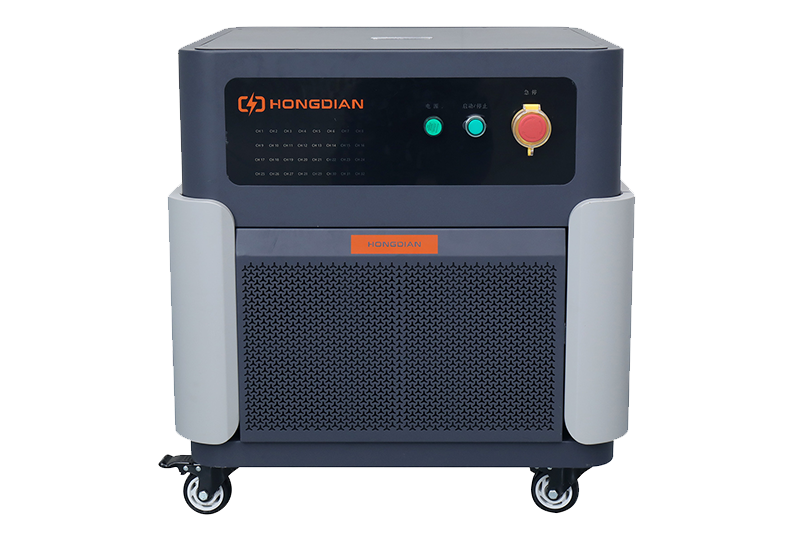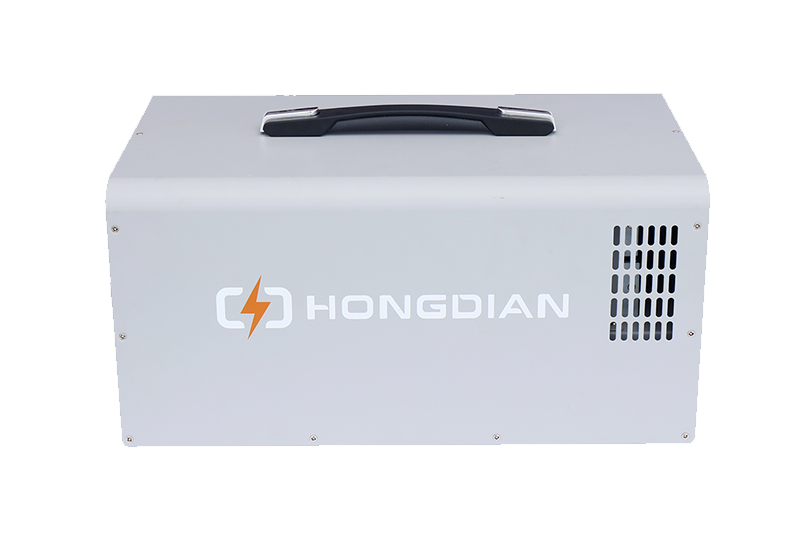
32/48 channel battery charging and discharging test integrated battery cabinet
40 channel battery charging and discharging test integrated battery cabinet
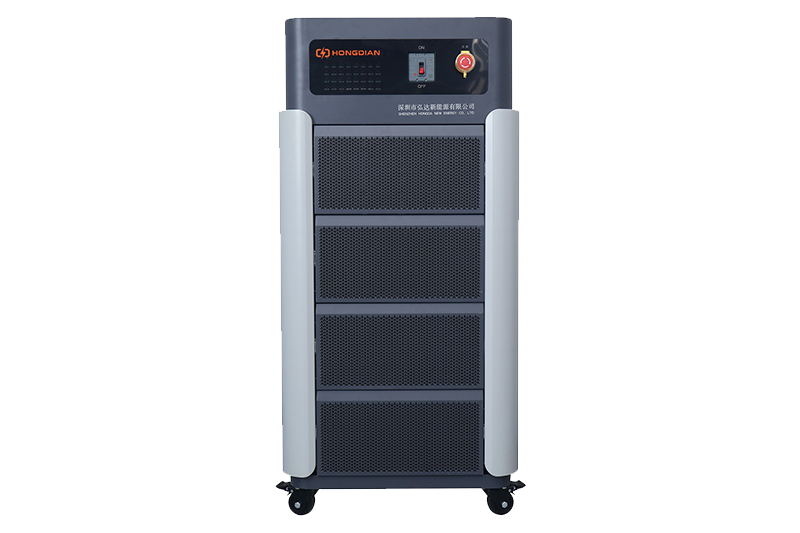
64 channel battery charging and discharging test integrated battery cabinet
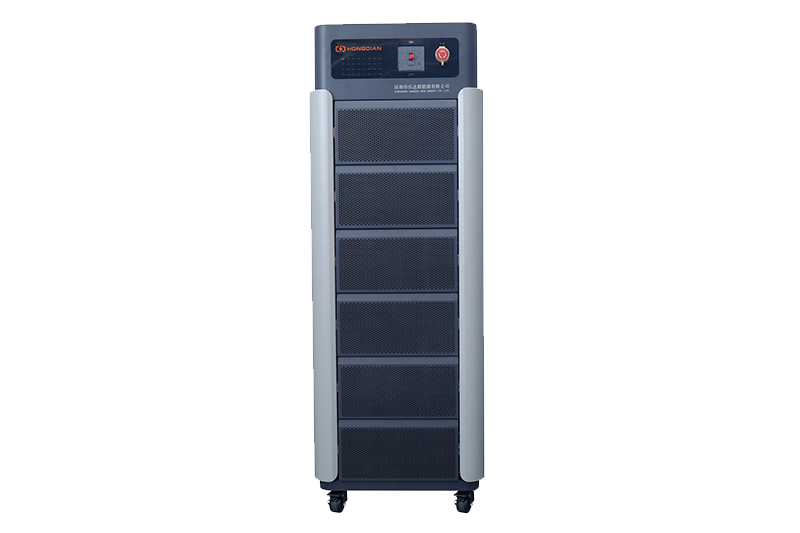
80 channel battery charging and discharging test integrated battery cabinet
A Battery Drop Tester helps verify whether a battery, device, or shipping package can withstand accidental drops during handling. The risk is tangible: a carton slips from a loading bench, strikes concrete, and arrives with a cracked corner or damaged contents. IATA’s lithium-battery shipping guidance describes a global air-cargo flow exceeding one billion batteries annually, making repeatable handling tests commercially important. Scale matters.
ASTM D5276 describes free-fall drop testing for loaded containers. For lithium batteries, however, a drop test is not a substitute for the applicable UN 38.3 transport tests or other required qualification. It answers a narrower, practical question: does this product-and-package design tolerate the impacts expected in its intended distribution route? A tester can control drop height, orientation, and impact surface, helping teams compare design changes instead of relying on inconsistent manual drops.
Battery-safety researcher Daniel Doughty’s published work emphasizes the complexity of battery safety. A fair paraphrase of that principle is: “Assess the whole system, not one component.” That distinction is easy to miss. A cell may remain intact while its enclosure, connector, or protective packaging fails. Test evidence should therefore record the sample configuration, drop conditions, observed damage, and acceptance criteria. Keep the records. They make results more useful—and easier to question when assumptions prove wrong.
A battery drop tester recreates a sudden impact under controlled conditions. It releases a battery or test package from a set height onto a defined surface. The operator can repeat the drop with different faces, edges, or corners facing down. Small details matter. A slightly different orientation can produce a different result.
This controlled setup helps reveal weaknesses that ordinary visual checks may miss. After impact, trained staff can inspect the casing for dents, cracks, or loosened parts. They may also record electrical readings and temperature, following the test plan and equipment procedures. Keep the test area clear, and use suitable protective controls. Batteries can retain energy even when their outer casing looks intact.
A drop test is not a perfect copy of every real-world accident. The surface, angle, and speed of an actual impact may differ. That limitation is worth considering when interpreting results. Repeating tests with consistent settings makes comparisons more useful, but it does not remove every uncertainty. A tester provides measurable evidence, not a guarantee that a battery will withstand every impact.
Example engineering test matrix. Drop heights, orientations, impact surfaces, and pass/fail limits should be selected for the battery design and applicable product requirements; the values below are illustrative, not universal acceptance criteria.
| Test dimension | Example test setup | What it evaluates | Observations and measurements |
|---|---|---|---|
| Drop height | Use a defined height, such as 0.5 m or 1.0 m, measured from the lowest point of the battery to the impact surface. | Impact severity and the repeatability of the test input. | Record the set height, actual release position, and any deviation between drops. |
| Impact orientation | Test selected faces, edges, and corners; include vulnerable features such as seams or connector areas when relevant. | Whether localized impacts can damage the enclosure, cell supports, or electrical connections. | Document the orientation and the part of the battery that makes first contact. |
| Impact surface | Use a rigid, level surface specified by the test protocol; keep its material and condition consistent across samples. | The effect of a hard landing on the battery structure and internal components. | Record surface material, flatness, and any visible damage or movement. |
| Battery condition | Identify the battery type, state of charge, temperature, and configuration before testing; use consistent conditions for comparison. | How the tested operating condition affects impact response. | Log sample identification, initial voltage, temperature, state of charge, and pre-test photographs. |
| Enclosure and mechanical integrity | Inspect the casing, seams, fasteners, terminals, and mounting points after each drop. | Cracking, deformation, exposed conductors, loosened parts, and loss of protection against contact or ingress. | Photograph damage and measure deformation where the test plan defines a method. |
| Electrical condition | Check voltage and relevant electrical functions before and after impact, following safe test procedures. | Open circuits, short circuits, interrupted connections, or abnormal electrical behavior. | Compare recorded values with the product specification and the test plan’s limits. |
| Thermal and visible safety signs | Observe the sample during and after impact from a protected test area, using the laboratory’s safety controls. | Unusual heating, smoke, venting, leakage, or fire following mechanical shock. | Record temperature trends and any visible or audible event; follow the facility’s emergency procedure. |
| Repeatability and reporting | Use a documented sequence, a defined number of samples, and consistent release and inspection methods. | Whether results can be compared across samples, design revisions, or test sessions. | Report the procedure, sample count, test conditions, drop sequence, measurements, photographs, and deviations. |
A battery drop tester controls release height and orientation so impact risks can be reproduced and documented. Testing should be performed by trained personnel using suitable containment and safety procedures; acceptance criteria must come from the applicable standard or product specification.
A one-metre drop sounds simple. It is not. For applicable portable-battery configurations, IEC 62133-2 includes a free-fall test from 1 m. The test checks whether impact causes hazardous outcomes, such as fire, leakage, or rupture. Drop orientation, surface, and sample condition matter. A cracked seam or loose connector can reveal weaknesses that a visual check alone may miss.
The risk is not theoretical. The U.S. Federal Aviation Administration’s 2023 lithium-battery incident summary recorded 77 events involving smoke, fire, or extreme heat aboard aircraft. These reports are not drop-test results, but they show why damage during handling deserves attention. A controlled test helps assess one specific hazard; it cannot reproduce every real-world impact.
A calibrated battery drop tester controls release height and keeps the impact surface consistent. Record the battery’s condition before and after each drop, including case damage, leakage, and electrical changes. No single drop represents every fall a device may experience. Still, repeatable testing gives engineers useful evidence for refining enclosures, supports, and assembly checks. A passing result is only one snapshot of safety.
ISTA 1A applies to packaged products weighing 150 lb (68 kg) or less. It is a screening procedure for evaluating how a package withstands basic hazards in distribution. For battery shipments, the test concerns the packaged unit, not the battery’s electrical performance or chemical safety.
A battery drop tester helps apply repeatable drops at controlled heights and orientations. Inspect the carton, cushioning, seals, and battery position before and after each sequence. Look for crushed corners, loosened inserts, exposed terminals, or movement inside the pack. Small shifts matter. ISTA 1A also includes vibration and other handling elements, so a drop tester alone does not complete the procedure. Results can reveal weak packaging, but they cannot predict every delivery route. That limitation deserves attention.
Tips: Confirm the package weight and configuration match the test plan. Photograph each face before testing, then note drop orientation and visible damage. Record everything. If the battery moves or the packaging changes, revise the design and retest. A neat result is useful, but it is not proof that every shipment will arrive undamaged.
A battery drop tester can help assess how a packaged product withstands handling impacts during distribution. The chart shows ISTA 1A drop heights by gross package weight; the procedure also specifies drop orientations and test sequence.
Drop heights shown are in inches. Weight bands and heights represent the ISTA 1A schedule; verify the current procedure and test setup before testing. ISTA 1A applies to packaged products up to 150 lb (68 kg).
A useful battery drop test begins with a written setup, not a guess.
Set the drop height to match the product requirement, then measure from the battery’s lowest point to the impact surface. Keep the release method consistent so the battery falls freely without a push. Small changes matter. Use a firm, level surface, such as a specified steel plate, and document its material and thickness. A soft covering can absorb energy and change the result. Replace or inspect the surface if repeated impacts leave dents.
Orientation should reflect likely handling accidents. Test the broad face, narrow edge, and corner when the protocol calls for them, and record each impact separately. Keep the battery’s condition consistent: note its charge level, temperature, age, and visible damage before testing.
A fully charged, warm battery may respond differently from a partly discharged, cool one. Do not test a swollen or leaking unit; follow established safety procedures instead.
Photograph the setup and inspect the battery after each drop for cracks, deformation, leakage, or changes in electrical performance. That detail is easy to miss.
Results are only comparable when height, orientation, surface, and battery condition are controlled and recorded.
A battery drop tester reveals what a visual check can miss. After impact, inspect the casing, seams, terminals, and insulation for cracks, dents, swelling, or loose parts. Damage may be obvious. Internal damage may not be. Record the drop height, orientation, and impact surface so results can be repeated and compared. A pass under one test setup does not guarantee safety in every use condition.
Interpret results beyond appearance. Check for electrolyte leakage, unusual odor, rising temperature, unstable voltage, or failed insulation measurements. Stop testing if smoke, heat, or leakage appears; isolate the sample using your established safety procedure. The FAA’s lithium-battery incident database recorded 89 incidents involving lithium batteries aboard aircraft in 2024. These records are not drop-test results, but they show why fire and electrical failure deserve careful attention. Apply relevant methods, such as IEC 62133-2, and document both immediate and delayed changes. A clean pass is not a promise.
Tips: Photograph each impact point before handling the sample. Measure voltage and temperature at consistent intervals, and note small changes. They can be easy to dismiss.