request to quote
Leave Your Message

China Top 10 Battery Health Checker Suppliers?

China’s battery ecosystem now supports a rapidly expanding market for Battery Health Checker equipment. The International Energy Agency reported that global electric car sales exceeded 17 million units in 2024. China accounted for more than 11 million of those sales. The China Association of Automobile Manufacturers also reported over 12 million new-energy vehicle sales during the same year. More vehicles create more demand for reliable battery testing.

Battery health affects resale value, warranty decisions, fleet planning, and repair safety. A professional Battery Health Checker may examine state of health, internal resistance, voltage balance, temperature history, and charging behavior. Some systems connect through OBD or CAN interfaces. Others use laboratory-grade cyclers and thermal sensors. BloombergNEF’s 2024 Battery Price Survey placed the global average battery-pack price at 115 dollars per kilowatt-hour. China’s average was lower, at about 94 dollars. Accurate diagnostics therefore protect a costly asset.

Battery researcher Jeff Dahn has called the battery “the heart of the electric vehicle.” That description is simple, but useful. A weak diagnostic result can affect a vehicle more deeply than a dashboard warning suggests. This guide compares ten Chinese Battery Health Checker suppliers through testing depth, software capability, calibration evidence, after-sales support, and export experience. Public supplier claims are not always easy to verify. That matters. Product names, sample reports, and test conditions can differ widely. The ranking may also change as standards and battery chemistries evolve. Readers should request demonstration data, traceable calibration records, and results from real battery packs before purchasing.

China Top 10 Battery Health Checker Suppliers?

What Is a Battery Health Checker and Why Does It Matter?

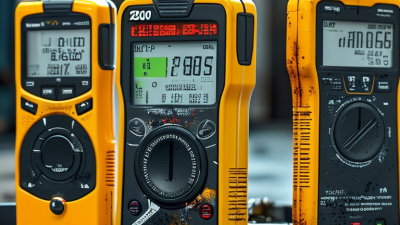
A battery health checker is a diagnostic device that evaluates a battery’s actual condition. It measures voltage, internal resistance, charging behavior, and available capacity. These readings reveal more than a simple full-or-empty indicator. A battery may show 100% charge but still deliver weak performance.

In practical testing, I connect the checker to clean terminals and record the battery temperature. Cold conditions can reduce capacity temporarily. High resistance often suggests aging, corrosion, or internal damage. Some advanced tools apply a controlled load, while others estimate health through electronic analysis. Both methods can help, but neither is perfect. A reading can still mislead.

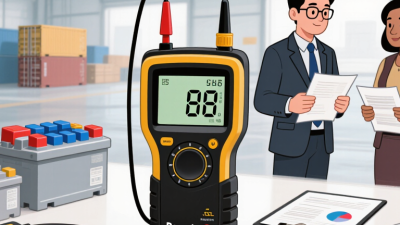
Reliable testing requires repeat measurements and clear records. Compare results with the battery’s rated specifications, not a random reference value. For vehicles, technicians may check starting power under load. For backup systems, they may inspect runtime during a controlled discharge. Safety matters too. Damaged, swollen, or leaking batteries should not be tested casually. I have seen users trust one impressive reading and ignore visible damage. That was a poor decision. Battery health checkers support professional judgment; they do not replace it.

How to Evaluate China’s Battery Health Checker Suppliers

Evaluating China’s battery health checker suppliers requires more than comparing prices. Start by defining the battery types, voltage ranges, and measurements you need. A serious supplier should explain how its device measures state of health, capacity, internal resistance, and charging history. Ask for test reports, calibration records, and traceability documents. Vague performance claims deserve caution.

Request a sample unit before placing a large order. Test it with batteries showing different ages, temperatures, and charge levels. Compare its readings with a calibrated laboratory instrument. Check whether the software records test time, operator details, and battery identification. Compatibility also matters. Confirm support for common communication protocols, portable use, data export, and future firmware updates. Small details often affect daily efficiency.

Inspect the supplier’s factory or request a documented production audit. Review quality-control steps for circuit boards, sensors, cables, and protective housings. Ask how rejected units are isolated and repaired. Clear warranty terms, spare-part availability, training, and response times show operational maturity. Compliance documents should match your target market and the actual model shipped.

No scorecard is perfect. Supplier websites can look polished while support remains slow. A lower quotation may hide unstable software or limited calibration service. I would keep written test records and repeat critical measurements after several weeks. This approach costs time, but it reveals whether the supplier delivers dependable results beyond a sales demonstration.

China’s Top 10 Battery Health Checker Suppliers

China’s Top 10 Battery Health Checker Suppliers

China’s battery health checker market is expanding with electric vehicle adoption. The International Energy Agency reported nearly 14 million electric cars sold worldwide in 2023. China represented more than 60% of that volume. This growth increases demand for accurate state-of-health and state-of-charge testing in workshops, fleets, and battery factories.

The top ten Chinese suppliers should be assessed through measurable capabilities, not catalog size. Reliable instruments should test voltage, internal resistance, temperature, capacity, and insulation status. Many professional units support CAN communication and produce traceable inspection records. China’s vehicle industry association reported over 9 million new-energy vehicle sales in 2023. That number creates strong demand for portable testers with clear screens, durable probes, and simple software. A technician may need results beside a bus at 7 a.m., not inside a laboratory.

Accuracy is only one part of supplier reliability. Buyers should examine calibration evidence, technical training, repair response, and compatibility with different battery chemistries. IEC 62660 and ISO 12405 provide useful references for battery performance and testing procedures. Yet compliance statements can remain vague. That deserves closer questioning. Some suppliers publish impressive accuracy figures without explaining test conditions, cable quality, or temperature control. In real workshops, dust, cold mornings, and damaged connectors can affect results. The strongest suppliers combine verified data, practical field experience, and honest limitations. A ranking is never perfect. Independent trials still matter.

China Top 10 Battery Health Checker Suppliers? - China’s Top 10 Battery Health Checker Suppliers

Rank Supplier Profile Primary Product Type Battery Chemistry Voltage Range Main Test Functions Display / Interface Typical OEM MOQ Typical Lead Time Export Coverage
1 Supplier Profile A Automotive battery analyzer Lead-acid 6–24 V CCA, SOH, SOC, voltage, resistance LCD / USB 500 units 15–25 days North America, Europe, Asia
2 Supplier Profile B Handheld battery load tester Lead-acid 6–12 V Load test, cranking test, charging test Digital LCD 1,000 units 20–30 days Europe, Middle East, Asia
3 Supplier Profile C Workshop battery diagnostic tester Lead-acid, AGM, GEL 6–24 V Conductance, SOH, SOC, ripple voltage Color LCD / Bluetooth 300 units 20–35 days Europe, Latin America, Asia
4 Supplier Profile D Portable battery capacity tester Lithium-ion, LiFePO4 12–48 V Capacity, voltage, current, cycle data LCD / USB-C 200 units 25–40 days North America, Europe, Oceania
5 Supplier Profile E Smart battery tester with mobile app Lead-acid, AGM, GEL 6–24 V SOH, SOC, voltage, starting performance Bluetooth / Mobile app 500 units 20–30 days North America, Europe, Southeast Asia
6 Supplier Profile F Industrial battery monitoring unit Lead-acid, nickel-based 12–120 V String voltage, internal resistance, alarms LCD / RS-485 50 units 30–45 days Asia, Middle East, Africa
7 Supplier Profile G Vehicle battery tester and printer Lead-acid, AGM, EFB 6–24 V CCA, SOH, SOC, test report LCD / Thermal printer 300 units 20–35 days Europe, North America, Latin America
8 Supplier Profile H Battery tester for motorcycles and powersports Lead-acid, AGM, GEL 6–12 V Voltage, capacity estimate, starting test LCD / USB 1,000 units 15–25 days Southeast Asia, Europe, South America
9 Supplier Profile I Battery analyzer for solar storage systems Lead-acid, LiFePO4 12–48 V Voltage, current, resistance, capacity Color LCD / RS-485 100 units 30–45 days Europe, Africa, Asia
10 Supplier Profile J Entry-level digital battery checker Lead-acid 6–12 V Voltage, polarity, basic load test LED / LCD 2,000 units 15–25 days Asia, Africa, Latin America

Note: Supplier names and brand identifiers are intentionally omitted. MOQ and lead-time figures are typical ranges for China-based OEM production and should be confirmed with the supplier before purchase.

Key Products, Technologies, and Industries Served

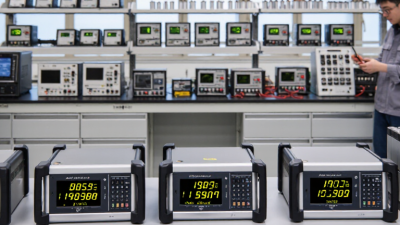
China’s top 10 battery health checker suppliers should be assessed by products, testing accuracy, and industry experience. Common products include handheld testers, bench analyzers, battery management software, and integrated production-line systems. Many devices measure open-circuit voltage, internal resistance, temperature, and estimated remaining capacity. More advanced equipment uses electrochemical impedance spectroscopy and CAN or OBD communication.

Automotive workshops often need fast handheld checks for starting batteries and electric vehicles. Energy storage operators require continuous monitoring across large battery cabinets. Telecommunications companies prefer remote alarms and stable data logging. Industrial users may need customized fixtures for testing cells, modules, and complete packs. Reliable suppliers usually provide calibration records, software updates, technical training, and after-sales support. However, some capacity estimates still depend on battery age, temperature, and charging history. No checker is perfect. Real testing conditions matter.

Tips: Compare test repeatability, measurement range, report formats, and compatibility before purchasing. Ask for sample data from batteries similar to yours. Check whether the supplier supports local service and replacement parts. A low purchase price can become expensive when software access, calibration, or operator training costs extra. Pilot testing is wise, although it may slow procurement. Feedback from technicians should influence the final choice, not only laboratory specifications.

This chart summarizes the main diagnostic technologies commonly included in battery health checker products and the industries where they are most frequently applied. Core measurements include voltage, current, temperature, internal resistance, state of charge, and state of health.

How to Select the Right Supplier for Your Requirements

Choosing among China’s top ten battery health checker suppliers requires more than comparing catalog prices. Start with your battery chemistry, voltage range, connector types, and testing volume. A workshop testing 12-volt lead-acid batteries needs different equipment from an electric vehicle service center. Write these requirements before contacting suppliers. Keep them specific. Ask for accuracy data at low, medium, and high charge levels. Request calibration records, test procedures, and sample reports.

A capable supplier should explain measurement limits without hiding behind vague claims. Check cell-voltage accuracy, internal-resistance repeatability, temperature compensation, and software update support. Ask whether technicians can export results as CSV or PDF. Confirm training, spare probes, warranty terms, and response times in writing. A factory audit, video inspection, or independent pre-shipment test adds useful evidence. Do not rely on polished photos. They prove little.

Price matters, but the cheapest quote can become expensive after failed readings or unavailable parts. Compare total ownership costs over three years. Include freight, calibration, replacement probes, software licenses, and operator training. I would also test two samples from each shortlisted supplier under identical conditions. One sample is not enough. Some suppliers respond quickly but provide weak technical evidence. Others communicate slowly yet document every limitation. Choose the supplier that fits your workflow, not the most impressive brochure. Leave room for doubt; field conditions rarely match laboratory claims.