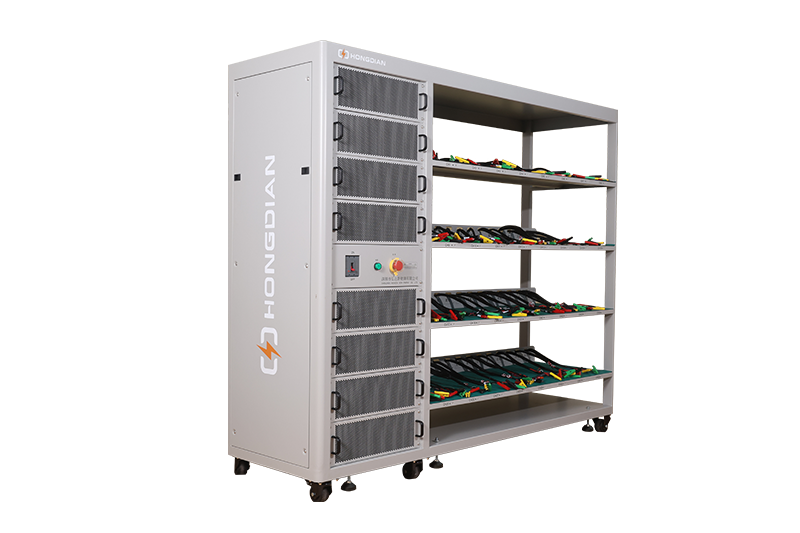
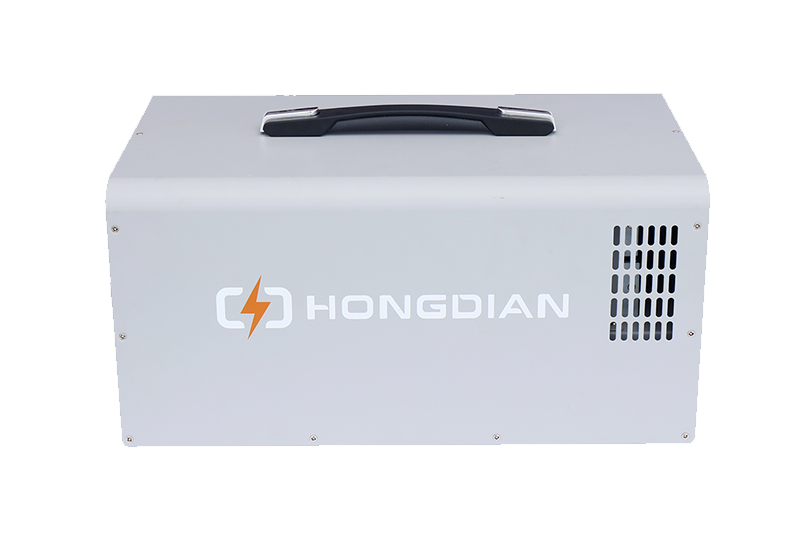
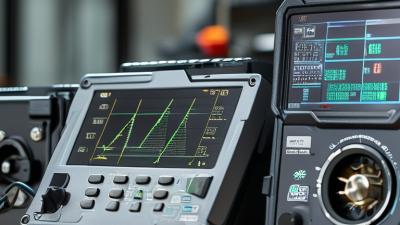
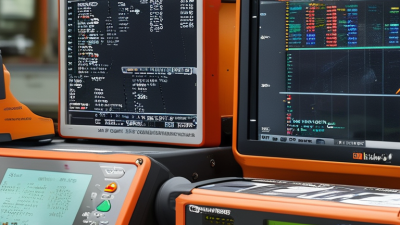
32/48 channel battery charging and discharging test integrated battery cabinet
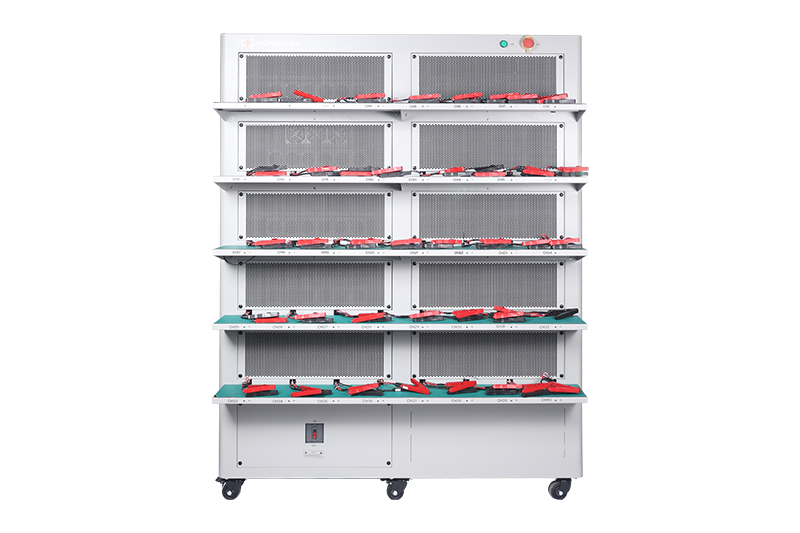
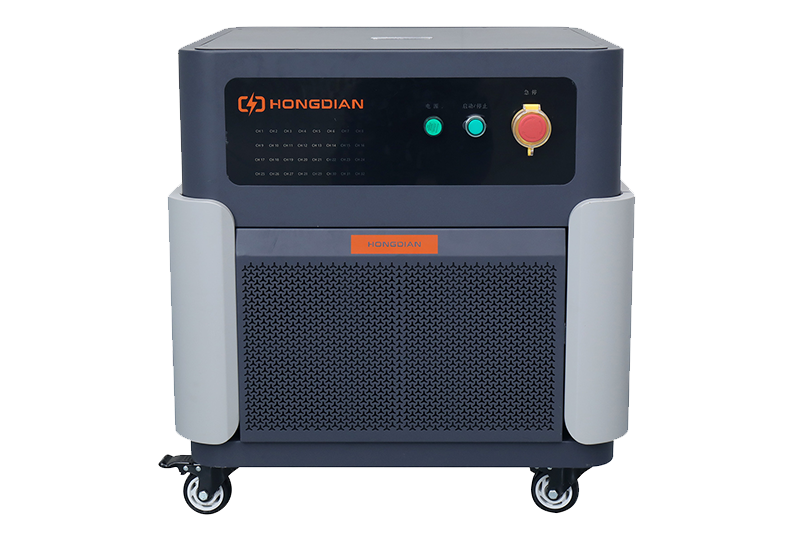
40 channel battery charging and discharging test integrated battery cabinet
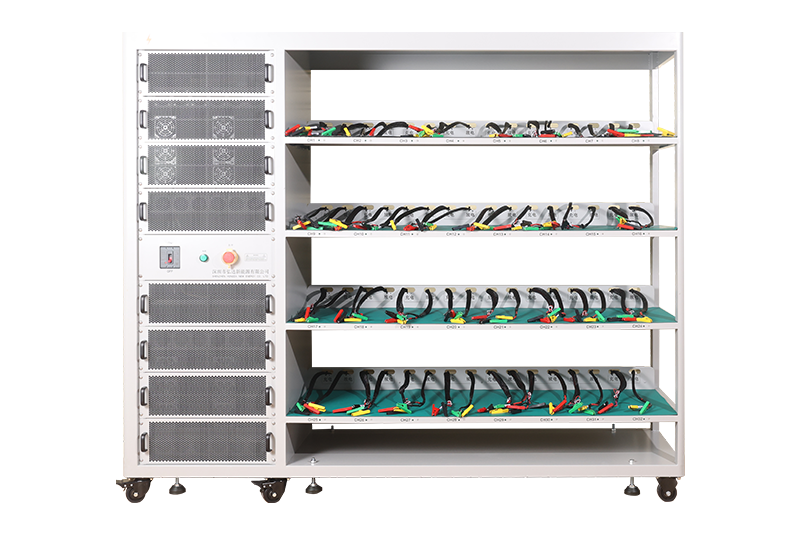
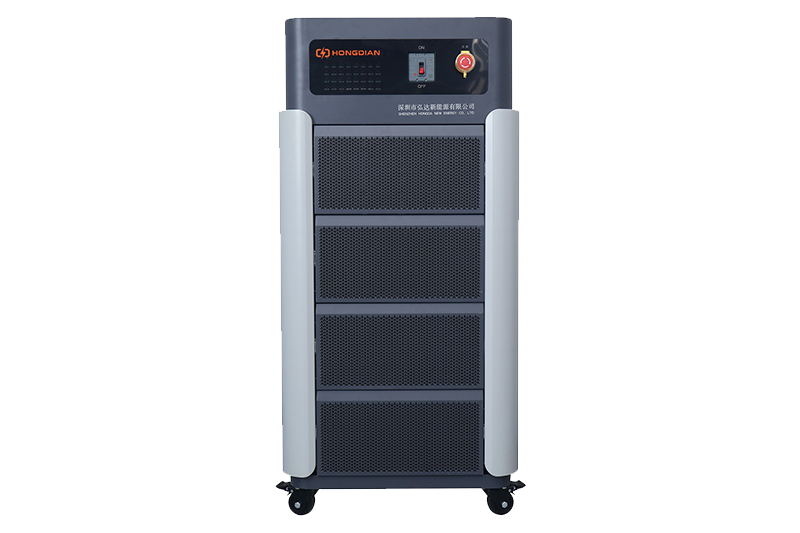
64 channel battery charging and discharging test integrated battery cabinet
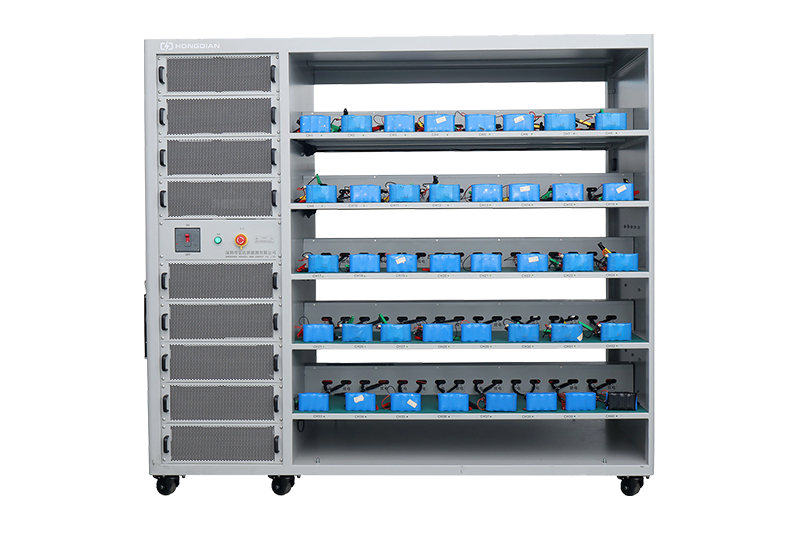
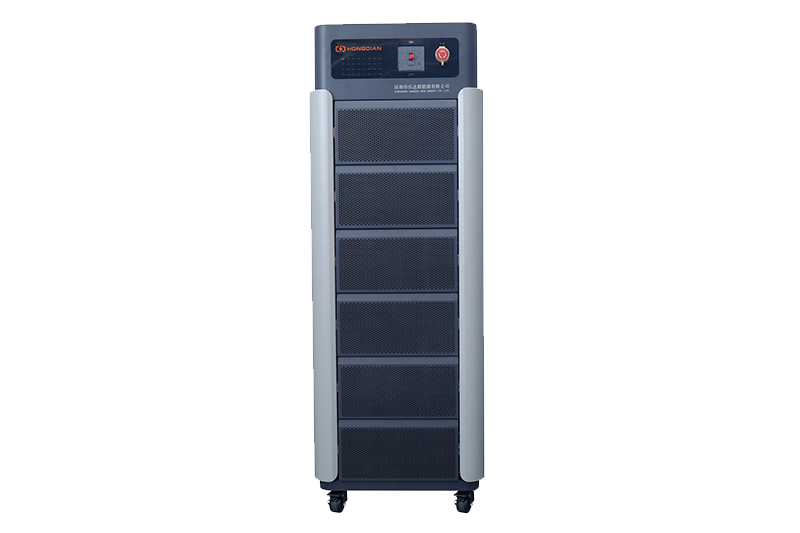
80 channel battery charging and discharging test integrated battery cabinet
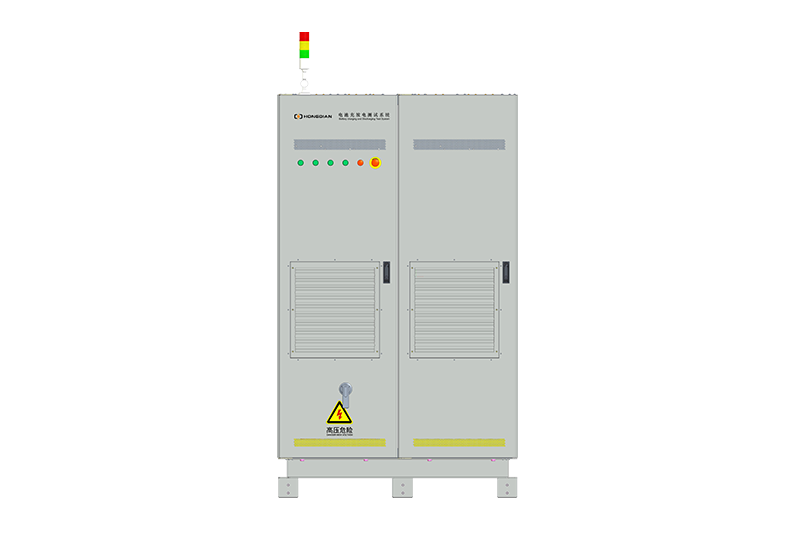
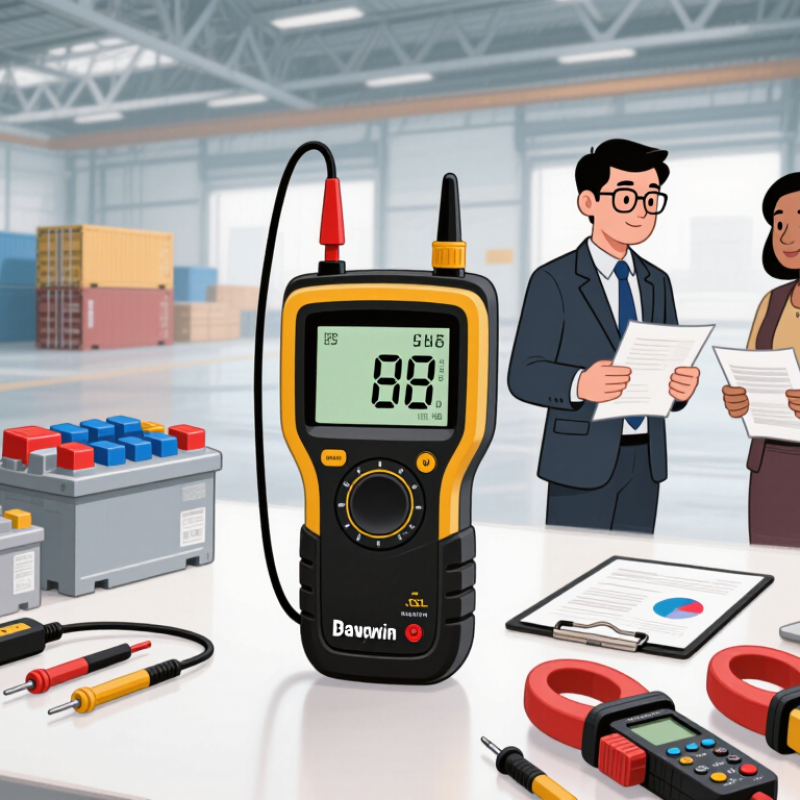
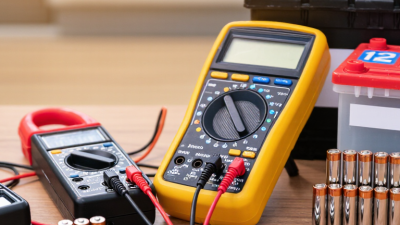
Global buyers need reliable evidence before purchasing batteries, vehicles, and electrical equipment across borders. A Battery Drain Tester provides that evidence by measuring unwanted current loss during standby or storage. It helps reveal whether a battery is weak, a circuit remains active, or an accessory consumes power unexpectedly. These details matter when products travel long distances through warehouses, ports, and changing climates.
A professional tester can show current readings, voltage behavior, and discharge patterns under controlled conditions. Buyers may compare samples from different suppliers instead of trusting labels alone. For example, a vehicle battery may appear fully charged after delivery but lose power overnight because of a hidden electrical load. A clear test record can support supplier discussions, quality inspections, and more consistent purchasing decisions. Small readings can expose large problems.
However, testing is not a perfect shortcut. Results depend on connection quality, battery temperature, instrument accuracy, and the operator’s procedure. A careless clamp position can produce misleading data. Buyers should follow manufacturer instructions, verify calibration, and repeat important measurements. That discipline reflects real professional experience, not just product marketing.
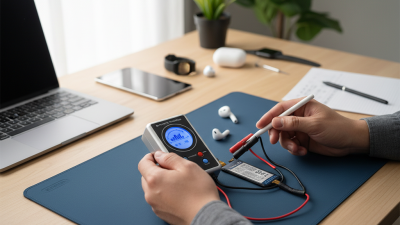
For international procurement teams, the Battery Drain Tester is more than a handheld meter. It can become part of a practical quality-control process. Importers, distributors, repair networks, and fleet managers can use it to reduce avoidable returns and investigate unexplained battery failures. The tool does not replace engineering judgment. It strengthens it. When records are accurate and limitations are openly considered, global buyers gain clearer evidence, better communication, and greater confidence in every shipment.
Why Do Global Buyers Need a Battery Drain Tester?
What Is a Battery Drain Tester?
A battery drain tester measures how quickly a battery loses stored energy under a controlled electrical load. It records discharge time, voltage decline, current flow, and sometimes temperature. Unlike a simple voltage meter, it tests performance during actual use. This distinction matters because a battery can show normal voltage while failing under load. A tester can reveal weak cells, unstable capacity, poor connections, or excessive standby consumption.
The International Energy Agency reported that global battery demand for electric vehicles exceeded 750 GWh in 2023. It also reported demand growth of about 40% from the previous year. These figures increase pressure on manufacturers, importers, and quality teams. Consistent drain testing helps compare batches before products reach customers. It also supports clearer technical records across different markets. Yet, no tester tells the whole story. Humidity, storage time, temperature, and operator settings can change results. That assumption can fail.
Tips: Match the tester’s current range with the battery specification. Test at controlled temperatures, and record voltage at fixed time intervals. Repeat questionable results with a second sample. A single pass is not proof of long-term reliability. Reviewing the test method may matter as much as reviewing the number. Calibration records should remain with each report, especially when buyers compare overseas suppliers.
Global buyers need battery drain testing because a product can pass a factory check and still fail in storage. A drain tester measures current consumption during sleep, standby, and active use. These readings expose hidden firmware activity, leakage, weak cells, and poor power design. The risk is commercial, not merely technical. The IEA’s Global EV Outlook 2025 reports that battery demand from the electric vehicle sector exceeded 1,000 GWh in 2024. IDC reported 1.24 billion smartphones shipped globally in 2024, increasing pressure on battery consistency and after-sales reliability. Buyers comparing suppliers need repeatable evidence, not a promising sample.
A reliable test should record voltage, current, time, temperature, and operating mode. Test at full charge, mid-charge, and low-charge conditions. Repeat it after idle storage. A ten-minute reading can mislead; some devices wake every few hours. The U.S. Department of Energy notes that battery performance changes with temperature and operating conditions. Therefore, a single room-temperature result is incomplete. This is where procurement teams often make an uncomfortable mistake: they test the product, but not the test method. Results may look precise while the setup remains weak.
Tips: Request raw logs, calibration dates, sample counts, and test profiles. Compare at least three units from separate production batches. Check cables and fixtures too. Small resistance can distort low-current readings. Keep one failed sample for review. Perfect data is unlikely. That limitation deserves documentation, not concealment.
A battery drain tester reveals how much energy a device uses during real operation. It connects between the battery and the product, then records current and voltage over time. The tester samples these values repeatedly, often within milliseconds. It calculates power by multiplying voltage by current. Energy consumption is then found by adding those readings across the test period.
For example, a device may draw 120 milliamps while active and only 8 milliamps in standby. A reliable tester captures both states instead of relying on one instant measurement. It can also show startup surges, sleep cycles, charging behavior, and unexpected leakage. These details help buyers compare battery life claims with measurable performance. Small differences matter when products operate for weeks or months.
Testing conditions need careful control. Battery voltage, cable resistance, temperature, and software settings can change the result. A loose connection may create a false reading. So can an uncalibrated instrument. I would repeat each test several times and record the room temperature. Still, no measurement is perfect. A tester may miss very brief spikes if its sampling rate is too low. Engineers should check the instrument’s resolution, accuracy, and data logging method before trusting the report. Clear test records make supplier discussions more practical and less dependent on optimistic estimates.
Global buyers need battery drain testing because battery-powered products often fail quietly. A device may look perfect during inspection, yet lose power overnight on a warehouse shelf. Drain testing measures how quickly a battery loses energy under real operating conditions. It also reveals unstable circuits, excessive standby consumption, and inaccurate battery indicators.
Which products require battery drain testing? Portable electronics are obvious candidates, including wireless speakers, handheld game devices, digital cameras, remote controls, and personal care tools. Smart locks, security sensors, tracking devices, and electronic scales also deserve attention. Their batteries may need to work for months, not hours. Children’s toys with sound or lighting functions need testing too, especially when several functions run together. A toy that passes with fresh batteries may behave differently after repeated use.
Medical monitoring equipment, emergency lights, alarm units, and outdoor instruments require stricter control. Their users may depend on reliable power when charging is unavailable. Testing should cover standby mode, continuous operation, peak loads, and low-temperature conditions. Inspectors should record battery type, voltage, test duration, and the device’s shutoff point.
One sample is not enough. Product variation happens. A useful test may also compare new batteries with partially used ones. That detail is easy to miss. In practice, buyers sometimes focus on operating time and overlook storage drain. They should not. A small circuit fault can become a costly return problem across several markets. Testing methods may need adjustment, because consumer habits differ between regions.
Why Do Global Buyers Need a Battery Drain Tester?
How to Choose the Right Battery Drain Tester
Global buyers need more than a device that simply removes battery charge. They need repeatable results across laboratories, warehouses, and production lines. A suitable battery drain tester should match the battery’s voltage, capacity, and expected discharge current. Check these limits carefully. A mismatch can produce unstable readings or damage the test setup.
Start with measurement accuracy and load control. Select a tester with adjustable current, clear voltage monitoring, and protection against overheating or reverse connection. For high-volume work, continuous operation matters. A short duty cycle may interrupt testing and increase labor costs. I have found that simple controls often reduce operator mistakes, especially when different workers use the same equipment.
Do not ignore calibration records. A tester with traceable calibration documents supports reliable reports and easier customer audits. Buyers should also review data export options, display readability, replacement parts, and technical support in their region. Safety certifications should fit the destination market and the intended application. Check the details. A lower purchase price can become expensive when accessories, shipping, or recalibration are difficult to arrange. In some cases, I would choose a slightly less powerful model with better protection and documentation. This is not always the obvious choice. Testing conditions can change, so leave reasonable capacity for future battery designs.
| Selection Dimension | Why Global Buyers Need It | Common Practical Range or Requirement | Recommended Choice |
|---|---|---|---|
| Battery chemistry | Different chemistries have different nominal voltages, discharge limits, and testing procedures. | Common test targets include alkaline, Ni-MH, lead-acid, lithium-ion, and lithium iron phosphate batteries. | Choose a tester with programmable voltage cut-off limits and adjustable discharge modes. |
| Voltage range | A suitable voltage range allows one instrument to support products sold in different markets and battery configurations. | Typical laboratory testers cover approximately 0–30 V DC; higher-voltage systems may require 0–60 V DC or more. | Select a range that exceeds the maximum battery voltage by at least 10% to 20%. |
| Discharge current range | Products such as remote controls, portable electronics, power tools, and automotive batteries require very different current levels. | Low-current testing may begin at several milliamperes; general-purpose electronic loads commonly reach 5–30 A. | Choose a tester whose continuous current rating is higher than the intended test current, not only its peak rating. |
| Constant-current mode | It maintains a fixed current while battery voltage decreases, making results easier to compare between samples. | Useful for capacity, endurance, and cut-off-voltage testing. | Make constant-current mode a basic requirement for routine battery capacity tests. |
| Constant-resistance mode | It simulates a resistive load and can represent some simple consumer devices. | The load current changes as battery voltage changes. | Choose this mode when the test objective is to reproduce a resistive appliance or basic circuit. |
| Constant-power mode | It better represents equipment that attempts to maintain power consumption as battery voltage changes. | Often used for portable electronics and DC power-system evaluation. | Select a tester with constant-power control if the product has a regulated DC input. |
| Measurement accuracy | Accurate voltage and current readings improve repeatability and support quality-control decisions. | General-purpose electronic loads commonly specify readings around ±0.05% to ±0.2% of reading or full scale, depending on the model and range. | Compare accuracy specifications by measurement range, not by headline accuracy alone. |
| Test duration and capacity | Long-duration testing reveals actual runtime and helps identify capacity loss or abnormal self-discharge. | Battery tests may last from minutes to several days, depending on capacity, current, and cut-off voltage. | Choose a tester with programmable timers, ampere-hour or watt-hour accumulation, and automatic data saving. |
| Number of channels | Multiple independent channels increase testing efficiency and support comparison between battery samples. | Single-channel units suit occasional testing; 4–8 channels are practical for small laboratories and incoming inspection. | Select independent channels when batteries have different capacities, start times, or cut-off conditions. |
| Data logging and export | Exportable records help global teams compare suppliers, document inspections, and maintain traceability. | Useful formats include CSV or spreadsheet-compatible files, with voltage, current, time, capacity, and energy records. | Prioritize USB, Ethernet, or computer-control interfaces when test records must be shared across locations. |
| Protection functions | Protection reduces the risk of damage caused by overvoltage, overcurrent, overheating, reverse polarity, or incorrect test settings. | Important safeguards include overvoltage, overcurrent, overpower, overtemperature, reverse-polarity, and low-voltage cut-off protection. | Do not purchase a tester without clearly documented protection thresholds and alarm behavior. |
| Thermal management | Discharge energy is converted into heat, especially during high-current or long-duration tests. | Fan-cooled units are common for moderate power; larger loads may require enhanced cooling or external heat management. | Check continuous power rating, operating temperature, airflow requirements, and noise limits. |
| Power rating | The tester must dissipate the required load power without derating beyond the intended operating range. | Common bench units range from approximately 60 W to 300 W; higher-power systems are available for industrial testing. | Calculate maximum power as voltage multiplied by current, then include a suitable operating margin. |
| Calibration and traceability | Calibration records support audits, supplier comparisons, and consistent measurements between international facilities. | Calibration intervals are commonly set at 12 months, subject to usage, environment, and internal quality procedures. | Request calibration information, measurement uncertainty, and a clear service procedure before purchase. |
| Electrical safety and compliance | Global buyers may need equipment suitable for different electrical systems and workplace safety requirements. | Check the applicable laboratory and measurement-equipment requirements, input voltage, plug configuration, grounding, and protective earth design. | Verify the documentation required by the destination country and the buyer's internal safety policy. |
| Best fit by application | Matching the tester to the application avoids paying for unnecessary power while preventing under-specification. | Portable electronics: low to medium current; battery packs: programmable multi-step testing; automotive or industrial batteries: higher current and power. | Define battery voltage, maximum current, maximum power, test duration, accuracy, and channel count before comparing quotations. |